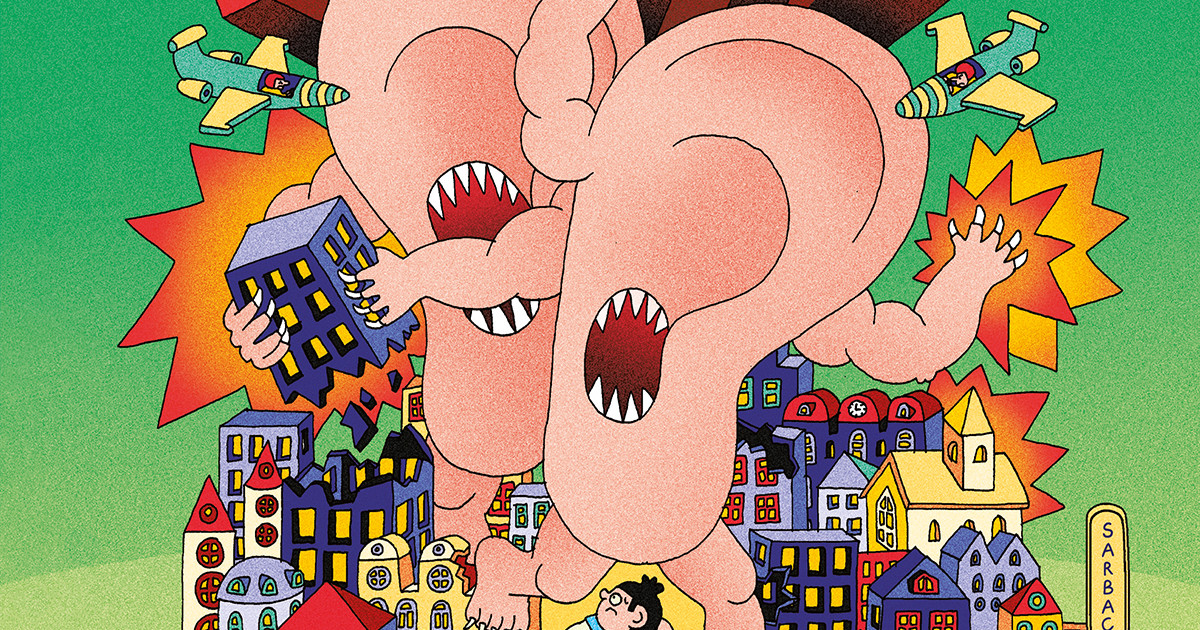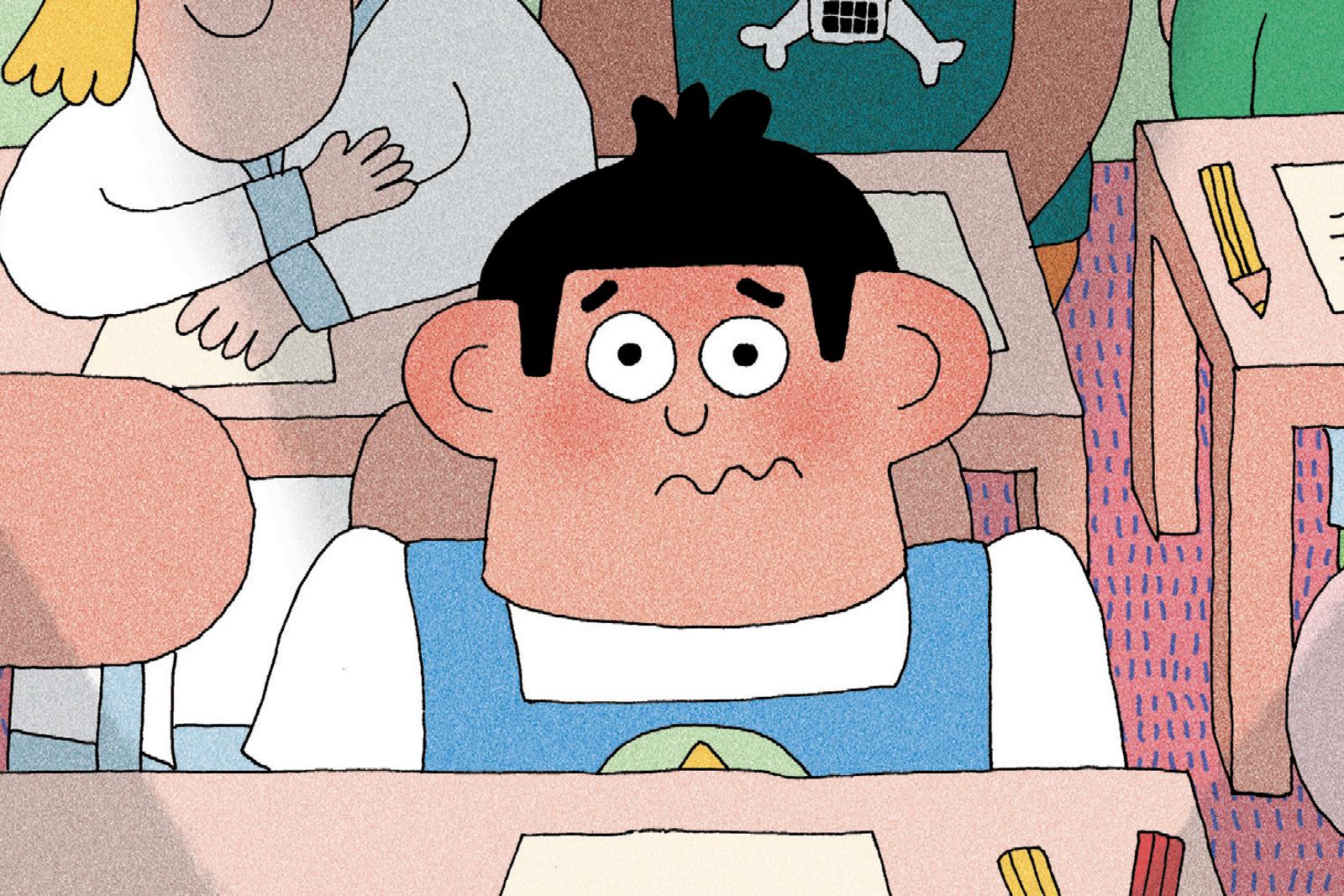
A single-volume graphic novel debuting in 2026, *Nuno les grandes oreilles*, has become an unlikely sensation in French youth publishing, blending surreal humor with a sharp critique of adolescent self-consciousness. The book—published by Éditions Sarbacane and distributed by BD—follows a boy whose oversized ears manifest as literal, mobile symbols of his insecurity, forcing him to confront the exaggerated flaws of his peers. While the concept may sound whimsical, its themes resonate deeply in a cultural moment where social media amplifies young people’s anxieties about appearance and acceptance.
From Literal Insecurities to a Cultural Mirror
The premise is simple but striking: Nuno wakes up one morning to find his ears have grown to monstrous proportions, detaching from his head and roaming his bedroom like independent characters. What begins as a physical comedy quickly spirals into a surreal gallery of adolescent torment—each of Nuno’s classmates and teachers is revealed to harbor their own grotesque, exaggerated flaws, from halitosis to body odor, all of which Nuno alone can see. The twist? These “flaws” are not just personal quirks but collective complexes, personified and given agency, forcing Nuno to confront them one by one. As one publisher’s description puts it, *”Nuno has a superpower: he can see the complexes of others—and he must defeat them, one at a time.”* The book’s visual and narrative inventiveness lies in its ability to externalize internalized shame, turning psychological burdens into physical, cartoonish adversaries. What sets *Nuno* apart from typical coming-of-age stories is its refusal to sanitize adolescent insecurity. Rather than presenting self-doubt as something to be quietly endured, the book frames it as a battlefield—one where the protagonist must actively dismantle the absurdity of his peers’ (and his own) perceived imperfections. The humor is broad but not cruel; the stakes are low, but the emotional truth feels high. This duality has struck a chord with critics and parents alike, who see in the book a metaphor for the performative pressures of social media, where young people often feel judged by distorted, curated versions of reality.Why a 2026 Release Feels Like a Cultural Reset
The timing of *Nuno les grandes oreilles* is no accident. Released in 2026—a year marked by growing public discourse about youth mental health in France and across Europe—the book arrives as both a symptom and a response to broader cultural shifts. According to Télérama, which called the work *”a delirious comedy about complexes,”* the graphic novel taps into a moment when children’s literature is increasingly grappling with themes of anxiety, identity, and belonging. While earlier works in the genre might have focused on friendship or schoolyard conflicts, *Nuno* zeroes in on the more intangible, often invisible pressures that shape a child’s sense of self. The book’s publisher, Éditions Sarbacane—a long-standing name in French youth publishing known for its bold, experimental approach—has framed *Nuno* as part of a broader push to modernize children’s literature. In its 2024 filing, the company noted a rising demand for stories that address psychological and emotional challenges head-on, rather than shying away from them. *”Kids today are bombarded with messages about how they should look, act, and perform,”* a spokesperson told reporters. *”Nuno* doesn’t offer easy answers, but it gives them permission to laugh at the absurdity of it all.”* The book’s one-shot format—meaning it’s a standalone story rather than part of a series—also reflects a trend toward self-contained narratives that can be consumed in a single sitting, a format increasingly popular among young readers.The Surreal as a Tool for Serious Themes
The book’s surrealism isn’t just for shock value; it’s a deliberate narrative choice that serves the story’s emotional core. By literalizing Nuno’s insecurities—turning them into physical, often comical obstacles—the creators of *Nuno* force readers to confront the illogicality of self-criticism. This approach mirrors the work of other contemporary graphic novelists, such as Raina Telgemeier, who use exaggerated visuals to tackle real-world struggles. However, *Nuno* distinguishes itself by focusing not just on the individual’s experience but on the collective nature of adolescent anxiety. When Nuno’s teacher, for instance, is revealed to have a voice that sounds like a foghorn, the joke isn’t just about the teacher’s quirks—it’s about the way children internalize and amplify perceived flaws in authority figures. The book’s humor is key to its accessibility. As Éditions Sarbacane describes it, the story’s tone is *”a mix of slapstick and existential dread,”* a balance that allows younger readers to engage with heavy themes without feeling overwhelmed. This duality is evident in the book’s art style, which oscillates between whimsical and slightly unsettling—think of the exaggerated, almost grotesque expressions on the characters’ faces when their insecurities are exposed. The effect is both funny and unsettling, mirroring the way real-life anxieties can feel: ridiculous in hindsight, but painfully real in the moment.A Market Test for French Youth Publishing
*Nuno les grandes oreilles* isn’t just a cultural artifact; it’s also a litmus test for the future of French children’s publishing. The book’s release coincides with a period of consolidation in the industry, where smaller publishers like Sarbacane are competing with larger, more commercially driven players. The one-shot format, while artistically satisfying, carries financial risks—it’s harder to build a franchise around a single volume than around an ongoing series. Yet, the early reception suggests that readers are hungry for stories that feel fresh and relevant.