
Scientists at UC Riverside have boosted termite kill rates from 70% to over 95% by using pinene, a natural pine scent, to lure western drywood termites toward injected insecticide.
The method, detailed in the Journal of Economic Entomology, exploits the insects’ instinct to seek food by mimicking the odor of decaying wood with pinene, a compound released by forest trees. Termites follow the scent to treated wood, where they encounter a targeted dose of insecticide.
How pinene improves localized insecticide treatment
Localized injection involves drilling into infested wood and delivering insecticide directly into termite galleries, reducing chemical utilize and cost compared to whole-structure fumigation. Without pinene, this approach kills about 70% of termites; adding the compound raises mortality to over 95% by increasing insecticide exposure.
Researchers note that pinene does not kill termites itself but acts as an attractant, making existing treatments more efficient. The strategy reduces reliance on broad chemical application while maintaining high effectiveness.
Why this matters for termite control in vulnerable regions
Western drywood termites are native to North America and play an ecological role in breaking down dead wood, but they cannot distinguish between natural timber and structural lumber, making homes in California, Florida, and parts of Canada and Mexico particularly vulnerable.
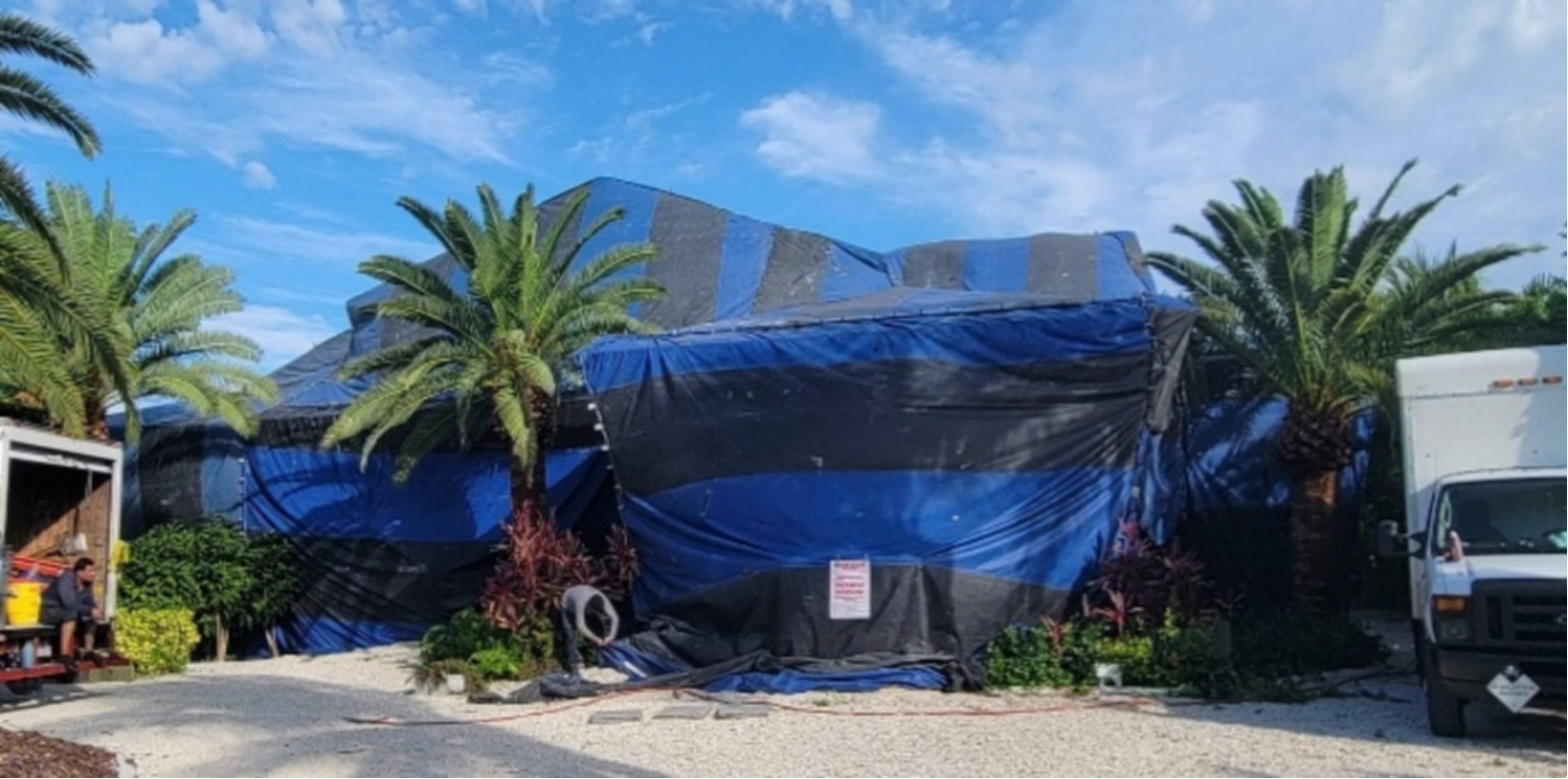
Fumigation, which uses sulfuryl fluoride—a greenhouse gas toxic to humans—remains common in California despite its high cost, lack of long-term protection, and need for repeated treatments every three to five years. The pinene-enhanced method offers a cheaper, less toxic alternative that could reduce environmental and health risks.
What is pinene and how does it work?
Pinene is a pleasant-smelling chemical released by forest trees that western drywood termites associate with food. It lures them toward insecticide-treated wood but does not have toxic properties itself.
How does this compare to fumigation?
Fumigation seals a home under a tent and fills it with sulfuryl fluoride gas, killing termites but posing health and environmental risks, requiring repeated treatments, and not preventing reinfestation. The pinene method uses less chemical, targets infested areas directly, and avoids whole-structure gas exposure.