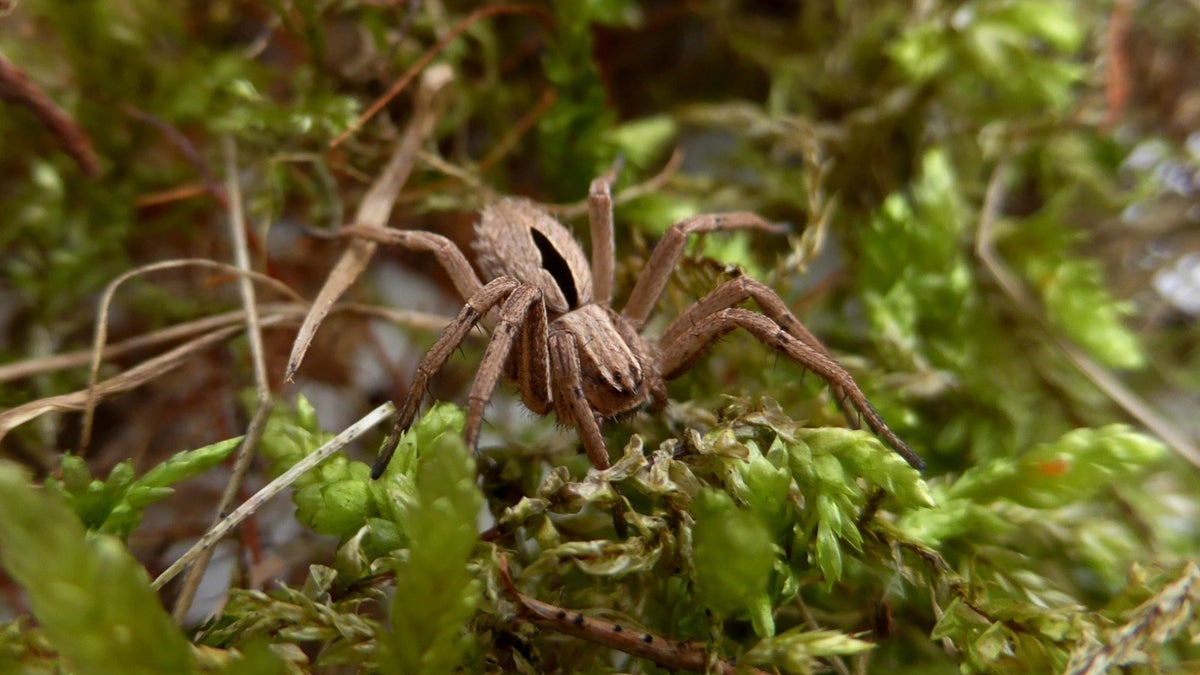
The National Trust has received £50,458 from the Department for Environment, Food & Rural Affairs to protect the diamond-backed spider at Clumber Park.
How the funding will support conservation efforts
The money will build on research already underway with the British Arachnological Society to deepen understanding of the spider’s behaviour and habitat needs. This includes studying its breeding cycle, which remains unknown after researchers have yet to find a gravid female. Future plans involve genetic analysis to trace the spider’s origins and surveys of nearby heathlands in Sherwood Forest to identify potential new sites.
Why Clumber Park is critical for the species’ survival
Clumber Park remains the only known site in Britain where the diamond-backed spider survives, having been rediscovered there in 2017 after more than 50 years of presumed extinction. Dr Helen Smith of the British Arachnological Society said the species’ future is precarious due to its restriction to a tiny pocket of heathland. She noted that while Britain has too many critically endangered species, this spider’s situation demands urgent attention.
What happens next in the recovery plan
Surveys will also be conducted at Ashdown Forest in Sussex, where the spider was last recorded in 1969, to determine if a hidden population exists there. Gareth Jones, lead ranger at Clumber Park, said the funding marks a shift from discovery to recovery, enabling the team to create conditions for the spider to grow and thrive beyond its current stronghold.

Why was the diamond-backed spider thought to be extinct?
It was not seen in Britain for over 50 years before its rediscovery in 2017, leading to the assumption it had been lost.
What makes Clumber Park important for this spider?
It is currently the only known location in Britain where the diamond-backed spider survives.