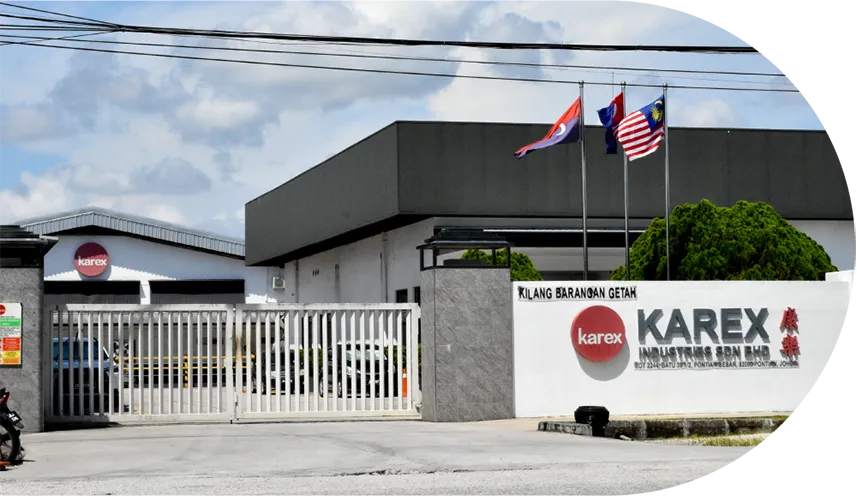
Karex Industries, the world’s largest condom producer, is preparing to increase prices by 20% to 30% as the Iran war disrupts global supply chains for raw materials derived from oil.
The Malaysia-based company, which supplies brands including Durex and Trojan as well as public health systems like the UK’s NHS, says production costs have risen sharply since the conflict began in late February. Disruption to the Strait of Hormuz has choked off a fifth of the world’s crude oil and liquefied natural gas flow, affecting materials such as ammonia used to preserve latex and silicone-based lubricants.
Demand for condoms has risen about 30% this year, according to CEO Goh Miah Kiat, who told Reuters that in uncertain times, people are more likely to utilize contraception. “In terrible times, the demand to use condoms is even more because you’re uncertain with your future, whether you’d still have a job next year,” he said. “If you have a baby right now, you’ll have one more mouth to feed.”
Shipping delays have worsened shortages, with some shipments to Europe and the United States now taking close to two months to arrive, compared to one month previously. Goh said Karex is seeing more inventory stuck on vessels than reaching its destination, while developing countries face delays due to longer transit times.
The price of key raw materials, including aluminum foil and silicone oil, has increased 25% to 30% since the start of the war. Aluminum, used in condom packaging, has reached its highest level in four years as energy and shipping costs climb. Silicone oil prices are up 30% as oil prices spike due to the conflict.
Karex produces more than five billion condoms annually and exports to over 130 countries. The company says it has enough supplies to last a few months and is looking to boost output to meet growing demand, though global stockpiles have dropped after deep spending cuts in foreign aid, particularly by the US Agency for International Development last year.
The condom maker joins other manufacturers, including medical glove producers, bracing for supply chain bottlenecks as the Iran war strains energy and petrochemical flows from the Middle East. Earlier this month, the United Nations warned that sugar, dairy and fruit prices will climb due to rising transport costs, while disruption to Gulf shipments has led to higher fertiliser prices and a shortage of helium used in computer chip manufacturing.
The status of peace talks between the US and Iran remained unclear on Wednesday after President Donald Trump said he will extend a ceasefire between the two countries until negotiations have progressed.
How the Iran war is affecting condom production costs
The conflict has disrupted procurement of synthetic rubber, nitrile, packaging materials and lubricants, with costs rising across the board since late February. Goh said Karex has seen increases for everything from raw materials to aluminum foils and silicone oil, all tied to oil-derived inputs.
Why demand for condoms has risen during the conflict
CEO Goh Miah Kiat linked the 30% increase in demand to economic uncertainty, saying people are more likely to use contraception when worried about job security and future expenses. This behavioral shift mirrors patterns seen in past crises, where access to family planning becomes more critical amid instability.
What this means for global access to contraception
While Karex says it can boost output, delays in shipping and rising costs risk limiting access in developing countries that rely on aid programs and public health systems. The company supplies the United Nations and national health services, meaning price increases could affect subsidized distribution channels.
How much could condom prices increase?
Karex plans to raise prices by 20% to 30%, with potential for further increases if supply chain disruptions persist.
Why is the Strait of Hormuz key to condom production?
About a fifth of the world’s crude oil and liquefied natural gas passes through the strait, and Karex relies on oil-derived materials like ammonia and silicone lubricants for manufacturing.
How long does it take for condoms to reach Europe and the U.S. Now?
Shipments to Europe and the United States now take close to two months to arrive, compared to one month previously.
Is Karex able to meet the rising demand?
The company says it has enough supplies for the next few months and is looking to boost output, though global stockpiles have dropped after aid cuts and shipping delays.