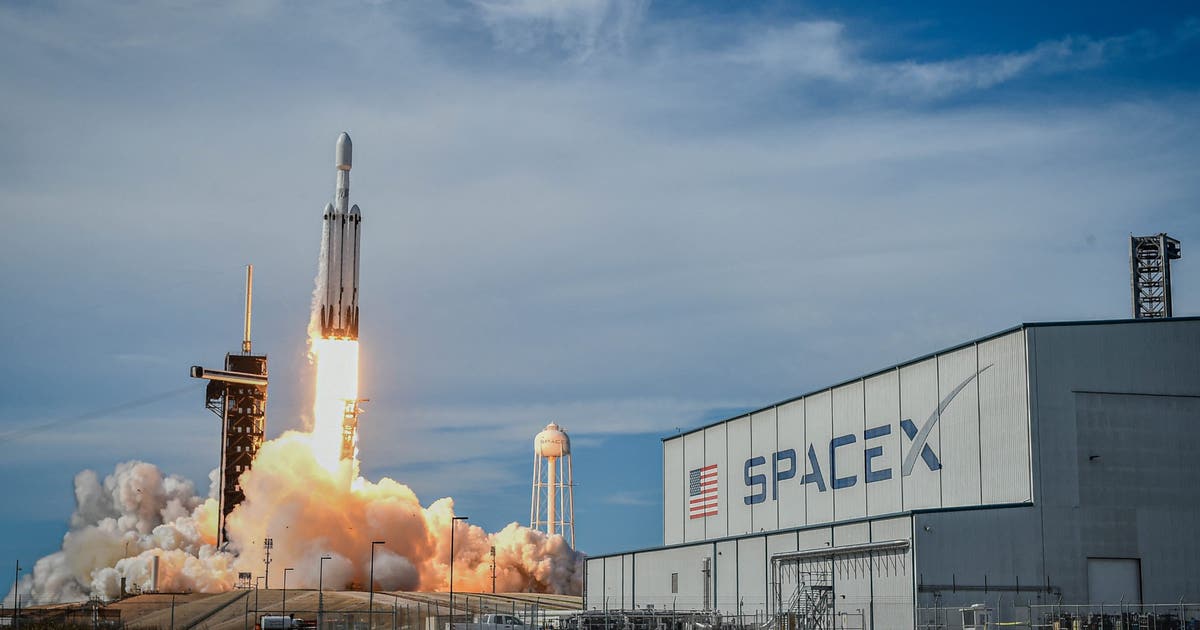
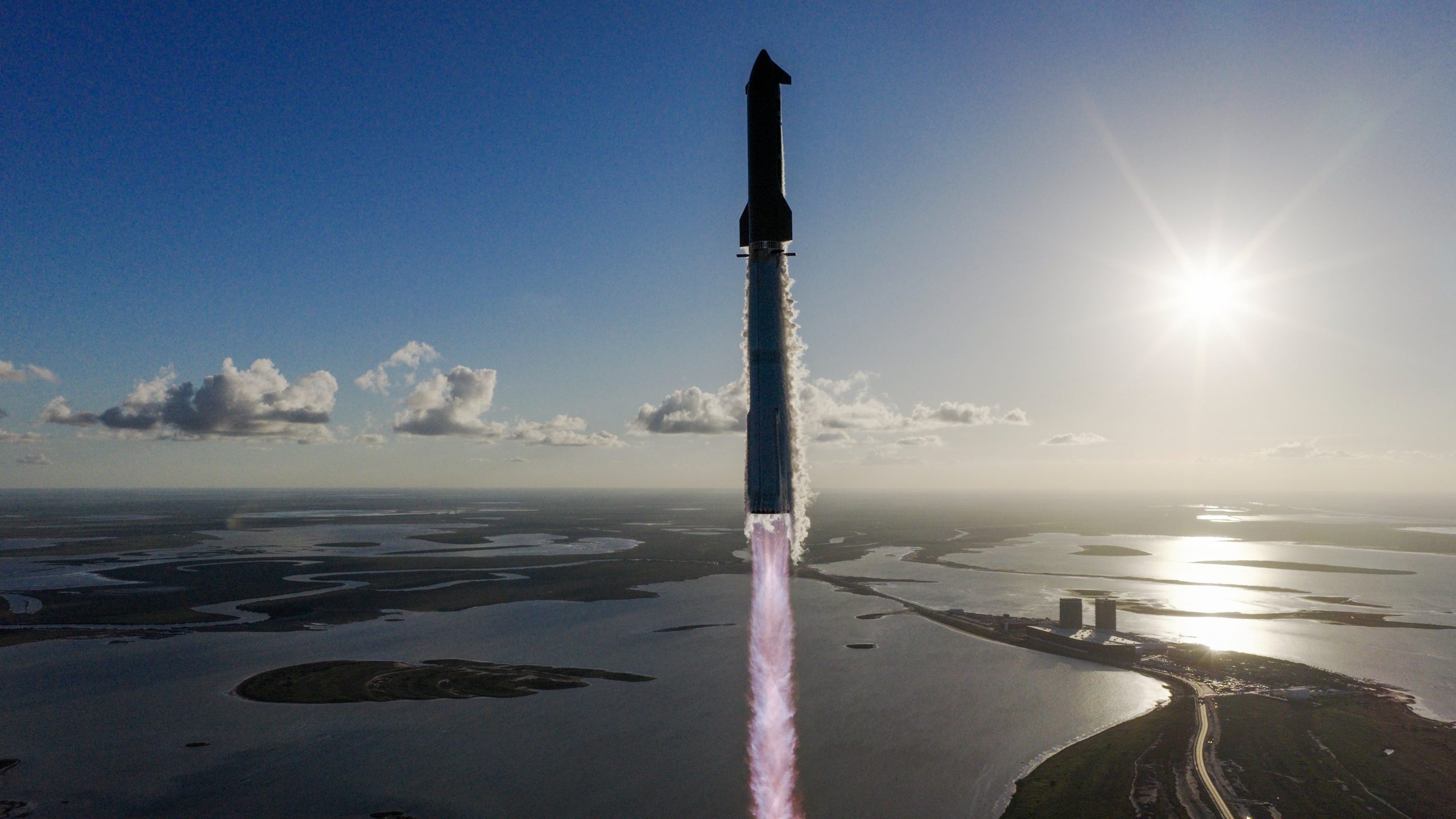
SpaceX launched its 12th Starship flight test from Pad 2 at Starbase on Friday, May 22, 2026, marking a significant step in the company’s push toward public markets. The mission, involving the next-generation Starship and Super Heavy vehicle, follows a scrubbed attempt on Thursday and precedes a broader corporate push toward an initial public offering.
Starship Flight 12 and the Path to Public Markets
SpaceX Starship Flight 12 and Super Heavy
SpaceX is currently preparing to go public, a massive shift in strategy that hinges on the successful development and deployment of its next-generation hardware. The latest flight test, which launched on Friday evening after a brief delay, serves as a critical proof point for investors and stakeholders. According to The Verge, the company’s ambitious goals are tied directly to the performance of vehicles like the Starship and Super Heavy stack launched from Pad 2 at Starbase.
While the flight test marks a milestone in technical development, it also underscores the high stakes of the company’s financial trajectory. Reports indicate that the company’s filing includes 36 pages of risk factors alone, detailing a total addressable market valued at $28 trillion. As noted by TechCrunch, the company has integrated aggressive financial targets into its corporate structure, including a pay package tied to the establishment of a colony on Mars, and a valuation target that would secure its place as the largest IPO in American history.
Operational Details of the Flight 12 Mission
The mission profile for this latest Starship test differs from previous iterations. The booster involved in this launch is not attempting a return, a departure from earlier recovery efforts. Instead, the focus remains on the deployment capabilities of the upper stage. The Flight 12 Starship is tasked with deploying 20 Starlink simulators and two modified Starlink satellites, providing a real-world test for the vehicle’s payload delivery systems.
This focus on satellite deployment demonstrates the company’s intent to integrate its launch vehicles with its growing internet infrastructure. By utilizing the Starship for these deployments, the company aims to validate the utility of its next-generation platform for large-scale constellation management. Unlike previous flights that prioritized booster catch-and-return maneuvers, the decision to forgo booster recovery on Flight 12 allows the engineering teams to dedicate maximum fuel reserves and telemetry bandwidth to the orbital deployment of the 22 total payloads.
The payload integration process for this mission utilized a new fairing deployment mechanism designed to increase the aperture size for satellite releases. By testing this with 20 simulators alongside two functional, modified satellites, engineers are gathering data on vibration profiles and thermal stress during the deployment sequence. This data is essential for the company’s goal of launching larger, next-generation Starlink units that require more precise orbital insertion than current models.
Data Security and Third-Party Platform Safeguards
Beyond the high-profile launch, recent developments have also highlighted the company’s focus on data integrity amid its broader expansion. Following an investigation into customer information, officials have clarified the scope of impacted data and the steps taken to mitigate future risks. As reported by The Verge, the company confirmed that the incident was confined to specific customer identifiers.
“The impacted information appears to be limited to certain customer details, including names, email addresses, mailing addresses, order identifiers and mobile phone numbers. Out of an abundance of caution, our third-party platform provider has implemented additional safeguards and enhanced monitoring measures while the matter continues to be investigated.”
SpaceX launches its biggest Starship yet on test flight 12SpaceX Starship Flight 12 Starlink
These measures include enhanced monitoring and additional security protocols. The company’s emphasis on these safeguards reflects a broader trend of tightening security as it balances its rapid growth in the aerospace and telecommunications sectors with the requirements of becoming a publicly traded entity. The shift toward higher security standards is viewed by industry analysts as a necessary evolution for the company’s transition into a public entity, where regulatory scrutiny regarding consumer data protection is significantly higher than for private startups. The investigation into the third-party provider remains ongoing, with the company’s internal legal team coordinating with external cybersecurity firms to audit the integrity of the broader Starlink customer database.
Market Context and Future Outlook
As the company moves toward an IPO, the intersection of aerospace innovation and financial valuation remains a central theme. The TechCrunch analysis suggests that the sheer scale of the company’s addressable market—pegged at $28 trillion—sets it apart from traditional aerospace firms. Whether the company can successfully navigate the transition from a private startup to a public giant depends on its ability to maintain a high cadence of successful launches while managing the significant risks outlined in its regulatory filings.
For now, the focus remains on the data collected from the Flight 12 mission. With the booster recovery abandoned, the team at Starbase is prioritizing the performance of the ship’s orbital deployment mechanisms. This methodical approach to testing suggests that, despite the pressure of a looming IPO, the company is maintaining its focus on the engineering milestones necessary to support its long-term vision.
The 36 pages of risk factors contained in the IPO filing address not only the technical volatility inherent in rocket testing but also the potential for market saturation in the satellite internet sector. By proving the viability of large-scale payload deployment through the Flight 12 mission, the company aims to mitigate concerns regarding the scalability of its infrastructure. The performance metrics from this mission, including the success rate of the satellite release mechanisms, are expected to be scrutinized by institutional investors in the coming months as the company finalizes its valuation targets and prepares for a public offering that is set to redefine the capital intensity of the private space sector.