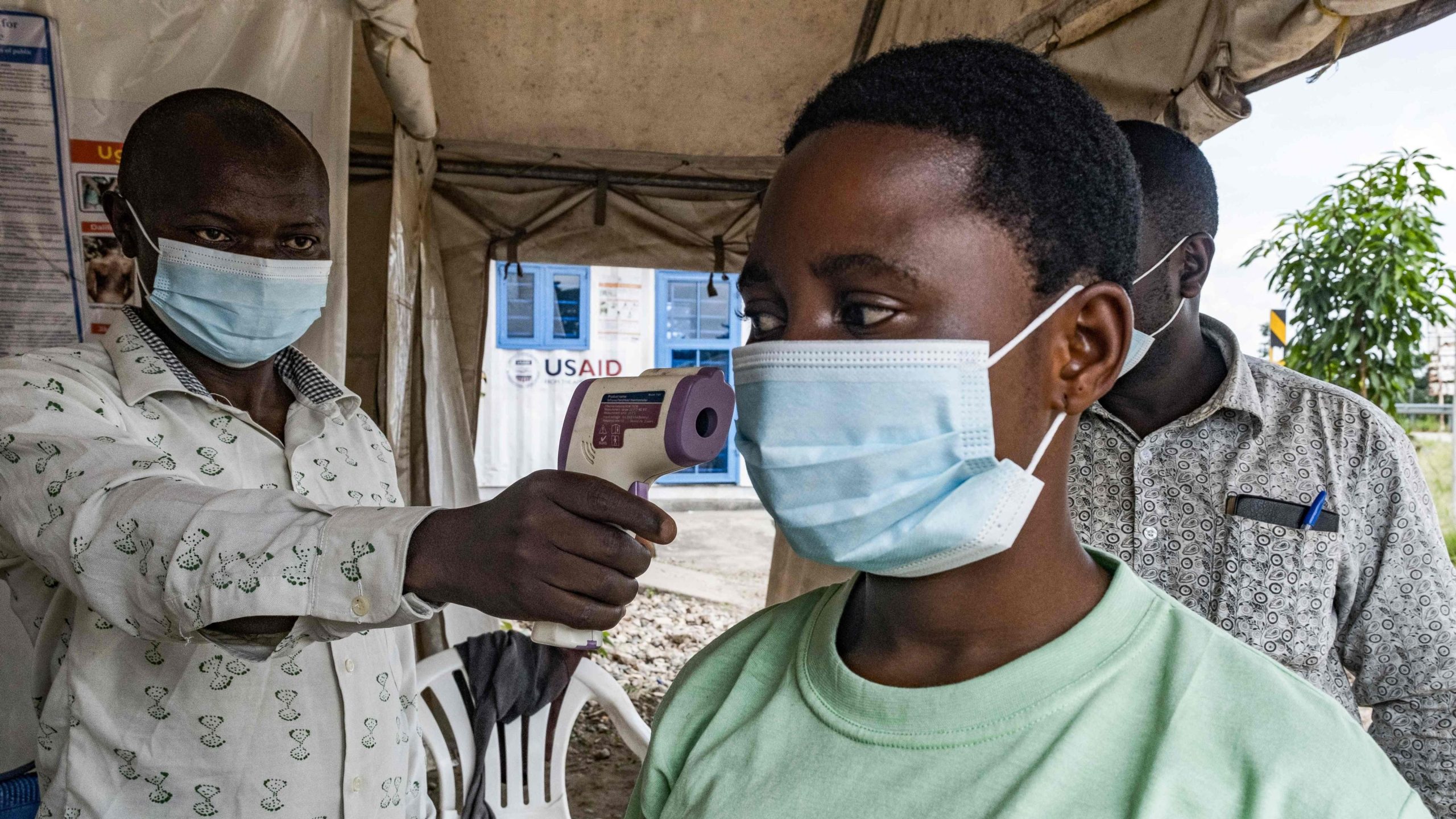
The Ebola outbreak in the Democratic Republic of Congo (DRC) has escalated into a regional crisis, with Uganda now reporting five confirmed cases—including three new infections—and the DRC suspending all passenger flights to Bunia, the epicenter of the Bundibugyo strain. As of May 23, 2026, the World Health Organization (WHO) warns of a “deeply concerning” situation with 82 confirmed cases and seven deaths, though officials estimate the true toll may exceed 750 suspected cases and 177 fatalities. The virus, which lacks a licensed vaccine or specific treatment, has crossed borders for the first time since its detection in early May, raising alarms over containment and the risk of further spread.
A Regional Outbreak: How the Virus Crossed Borders
The latest surge in Uganda—three new cases confirmed on May 23—marks the first time the Bundibugyo strain has been detected outside the DRC since the outbreak was declared on May 15. The three new infections include a Ugandan truck driver who transported the first confirmed case into the country, a healthcare worker exposed while treating that patient, and a Congolese woman who initially tested negative but later tested positive after returning to the DRC. Uganda’s Ministry of Health emphasized that all contacts have been identified and are under monitoring, but the rapid transmission highlights the strain’s ability to evade early detection.
Uganda’s cases are particularly alarming because the Bundibugyo strain—responsible for this outbreak—has a lethality rate of 30% to 50%, according to the WHO. Unlike the more familiar Zaire strain (which has a higher fatality rate but benefits from experimental vaccines and treatments), Bundibugyo has no approved medical countermeasures. This leaves health officials scrambling to contain the virus through contact tracing, quarantine, and public awareness campaigns—efforts complicated by the strain’s insidious early symptoms, which can mimic malaria or other common illnesses.
“The symptoms are nonspecific—fever, muscle pain, diarrhea—and by the time patients seek care, the virus may already be spreading in their communities.”
Miriam Alía, Médecins Sans Frontières (MSF) epidemic response specialist
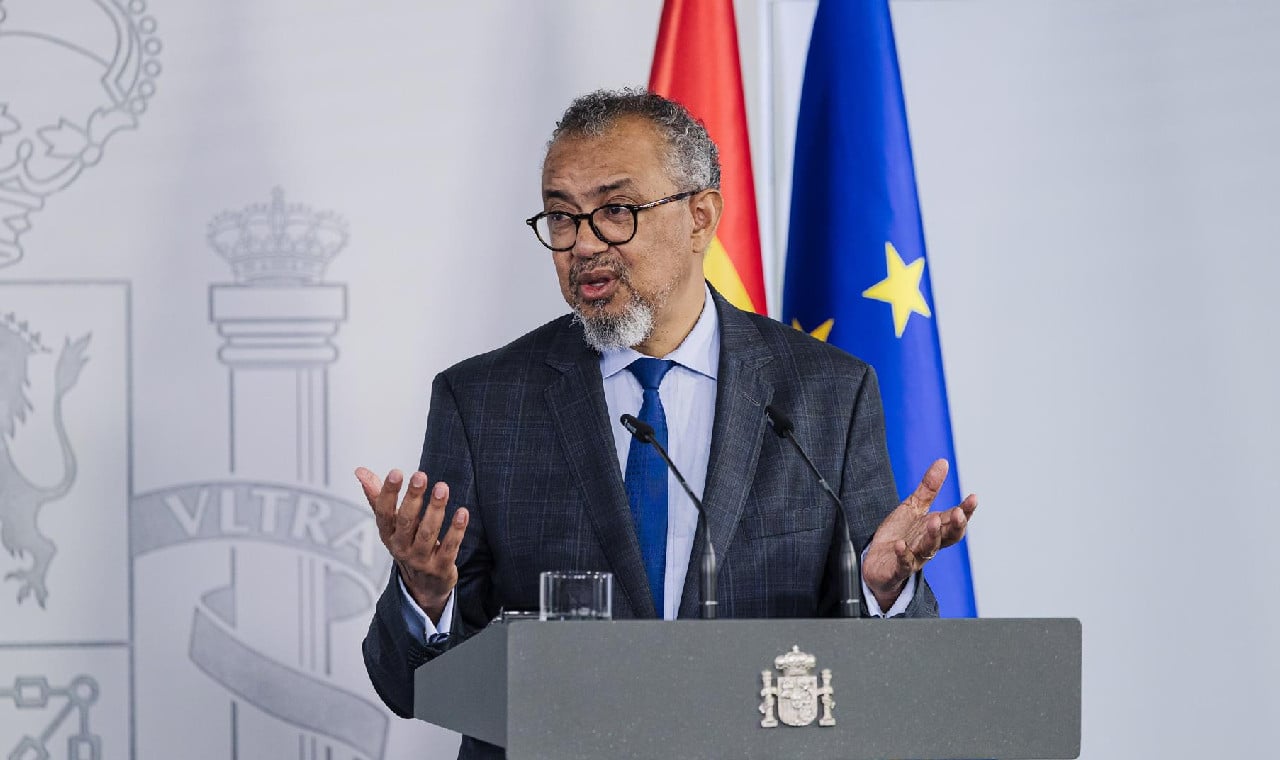
The WHO’s director-general, Tedros Adhanom Ghebreyesus, called the situation “deeply concerning” on May 22, upgrading the risk assessment to “very high” at the national level in the DRC. He noted that the true scale of the outbreak is likely higher than reported, with 750 suspected cases and 177 suspected deaths—numbers that fluctuate as monitoring improves. However, violence and insecurity in the affected regions of Ituri, North Kivu, and South Kivu are hampering response efforts, with nearly 4 million people in need of humanitarian aid and 10,000 facing acute hunger, per the WHO.
DRC’s Drastic Measures: Flight Bans and the Race to Contain the Virus
The DRC has taken unprecedented steps to curb transmission, suspending all passenger flights to and from Bunia, the provincial capital and outbreak epicenter. The ban, effective immediately, applies to commercial, private, and special flights—though humanitarian, medical, and emergency flights may still operate with special approval. This move follows the detection of the virus in neighboring North and South Kivu provinces, signaling that the outbreak is no longer contained to Ituri.
:format(jpg):quality(99):watermark(f.elconfidencial.com/file/bae/eea/fde/baeeeafde1b3229287b0c008f7602058.png,0,275,1)/f.elconfidencial.com/original/46e/f13/021/46ef130219bea7210921ee99b5b02235.jpg "cluster (priority): El Confidencial")
Bunia’s airport closure reflects the DRC’s desperate attempt to limit movement while health teams scramble to trace contacts. The city has been a hotspot for violence, with armed groups disrupting aid deliveries and displacing tens of thousands. WHO officials have warned that the instability is exacerbating the crisis, with displaced populations moving into already strained healthcare systems. “The intensification of fighting has forced over 100,000 people from their homes,” Tedros noted, adding that distrust of foreign authorities further complicates containment.
The Bundibugyo Strain: Why This Outbreak Is Different
The current outbreak is caused by the Bundibugyo strain of Ebola, a less-studied variant that has triggered two previous outbreaks—in Uganda in 2007 and in the DRC in 2012. Unlike the Zaire strain (which caused the 2014–2016 West African epidemic and the 2018–2020 DRC outbreak), Bundibugyo has no licensed vaccine or specific treatment. This leaves responders relying on supportive care, contact tracing, and public health measures—strategies that require robust infrastructure, which is lacking in the conflict-ridden regions where the virus is spreading.
Laboratories in the region are equipped to detect the Zaire strain but not Bundibugyo, which may explain why confirmed cases remain low (33 confirmed cases in the DRC and 2 in Uganda) despite the high number of suspected infections. Florent Uzzeni, MSF’s emergency coordinator in Ituri, suggested that initial cases may have gone unreported due to weak surveillance systems. “Several indicators point to cases emerging much earlier, but they weren’t documented because of gaps in alert systems,” he said.
Global Response: Vaccines, Treatments, and the Race to Prevent a Wider Spread
While the Bundibugyo strain lacks approved treatments, the WHO has prioritized clinical trials for two monoclonal antibodies and an antiviral drug as potential preventive measures for high-risk contacts. These experimental therapies—if proven effective—could offer a glimmer of hope, though they are not yet available at scale. Meanwhile, the WHO has confirmed that a U.S. citizen exposed in the DRC has been evacuated to Germany for treatment, with another high-risk contact sent to the Czech Republic. These cases underscore the global stakes: while the risk remains “low” worldwide, the potential for international spread cannot be ruled out.
The outbreak’s trajectory hinges on three critical factors:
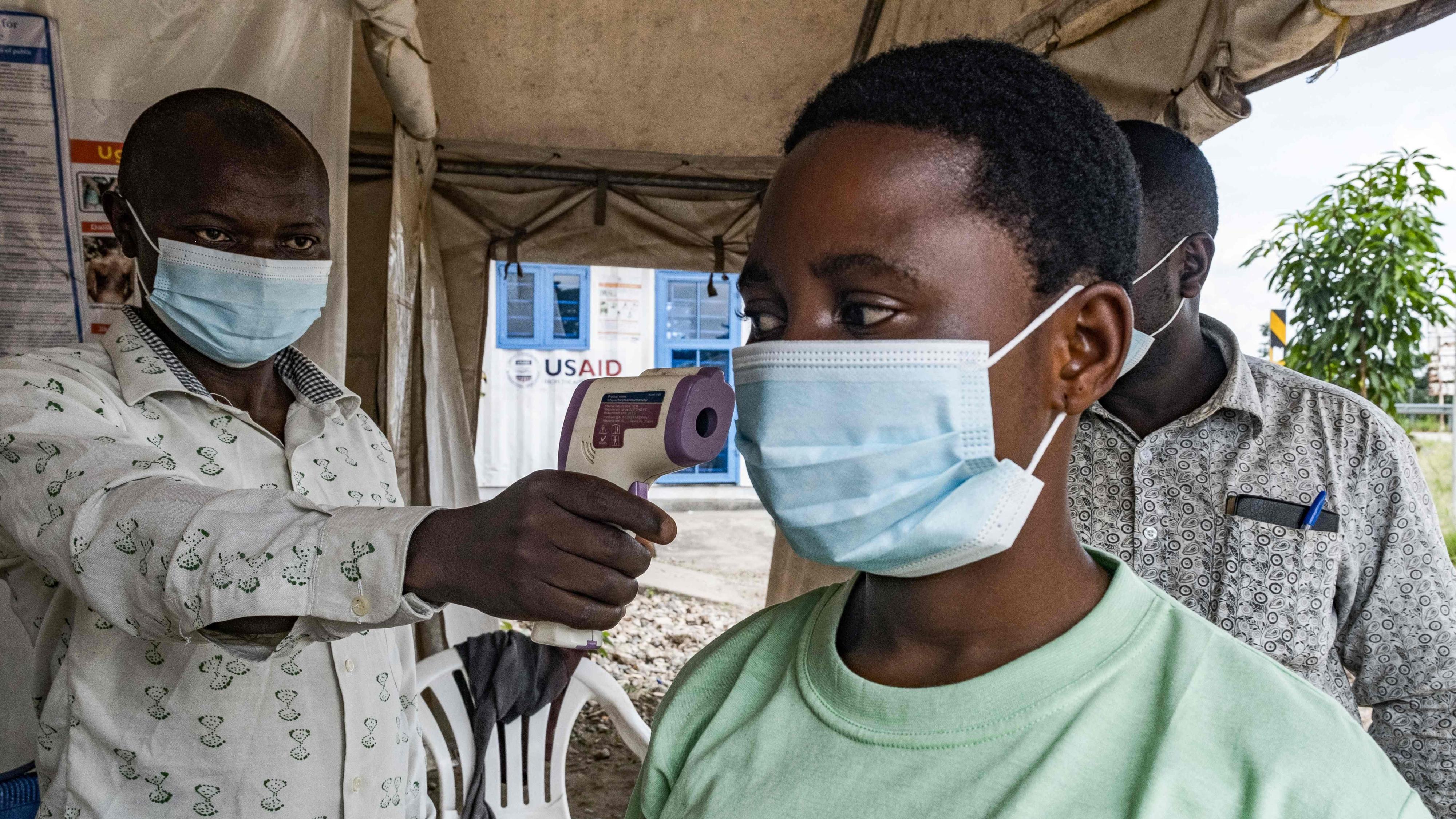
- Contact tracing: Uganda has identified all known contacts of the five confirmed cases, but the DRC’s volatile security situation threatens to disrupt monitoring efforts.
- Laboratory capacity: Delays in confirming cases—due to limited testing for Bundibugyo—could allow silent transmission chains to form.
- Public compliance: Fear and misinformation may hinder vaccination campaigns or reporting of symptoms, as seen in past outbreaks.
“Maintain calm, vigilance, and adhere to all recommended preventive measures.”
Uganda Ministry of Health, May 23, 2026
What Comes Next: Scenarios for Containment—or Worse
The next 30 days will be decisive. If current trends continue, the outbreak could expand further into Uganda or even Rwanda, given the porous borders and high mobility in the region. The WHO’s risk assessment—“very high” nationally in the DRC, “high” regionally, and “low” globally—suggests that while a pandemic is unlikely, localized flare-ups are probable. The biggest wild card remains the security situation: if armed groups continue to disrupt aid deliveries, the death toll could rise sharply.
For now, the focus is on three immediate priorities:
- Scaling up testing: The DRC and Uganda must expand Bundibugyo-specific diagnostic capacity to close the gap between suspected and confirmed cases.
- Deploying experimental treatments: The monoclonal antibodies and antiviral drugs in trials could become critical tools if proven safe and effective.
- Strengthening cross-border coordination: Uganda, Rwanda, and South Sudan must align surveillance and response protocols to detect and isolate cases early.
For travelers and health officials alike, the key takeaway is clear: this is not the Zaire strain outbreak of 2014. Bundibugyo moves quietly, its symptoms mimicking far less deadly illnesses, and its tools for containment are limited. The window to act is narrowing—and the stakes could not be higher.
Consult your healthcare provider for travel or health advice related to this outbreak.