
The Last Drink: A Studio’s Final Days
The email arrived on a Tuesday morning: staff at Spiders were instructed to update their CVs and shift to self-study sessions. By Wednesday, April 29, the Parisian studio would officially enter liquidation, according to a report from French outlet Origami. The announcement followed the release of GreedFall 2: The Dying World, which had faced challenges during its Early Access phase and sparked mixed reactions among players. For a team that had spent nearly two decades building worlds, the end came not with a final project, but with a quiet pivot to job-hunting.
That evening, the studio’s weekly gathering would take on a different meaning. The Comité Social et Économique (CSE), the studio’s worker council, organized the event alongside efforts to facilitate equipment buybacks for employees who wished to keep a piece of the studio. While the liquidation was described by officials as a procedural step, the gathering served as an opportunity for the team to reflect on their shared history. As one industry observer noted, the work was already over, and the studio’s closure marked the end of an era for its developers.
From Silverfall to Steelrising: A Legacy of Creative Swings
Spiders was founded in 2008 by developers who had previously worked at Monte Cristo on Silverfall, a PSP-era action-RPG that struggled to find its audience. The studio’s early years were defined by a mix of quick-turnaround projects and licensed games, but it was The Technomancer (2016) that marked a turning point. Set on a futuristic Mars, the game was uneven but carried a distinct charm. Critics at the time noted its unconventional approach to sci-fi, with one former editor highlighting its bold, if flawed, execution. The game’s unique identity reflected the studio’s willingness to experiment, even if the results were not always polished.
GreedFall (2019) demonstrated the studio’s growth, offering a blend of diplomacy, exploration, and combat in a colonial-inspired fantasy setting. The game earned a dedicated following, and its sequel, GreedFall 2: The Dying World, represented one of the studio’s most ambitious projects. However, the Early Access phase faced difficulties, and the game did not achieve the same level of success as its predecessor. By that point, the studio was already navigating financial challenges under Nacon’s ownership.
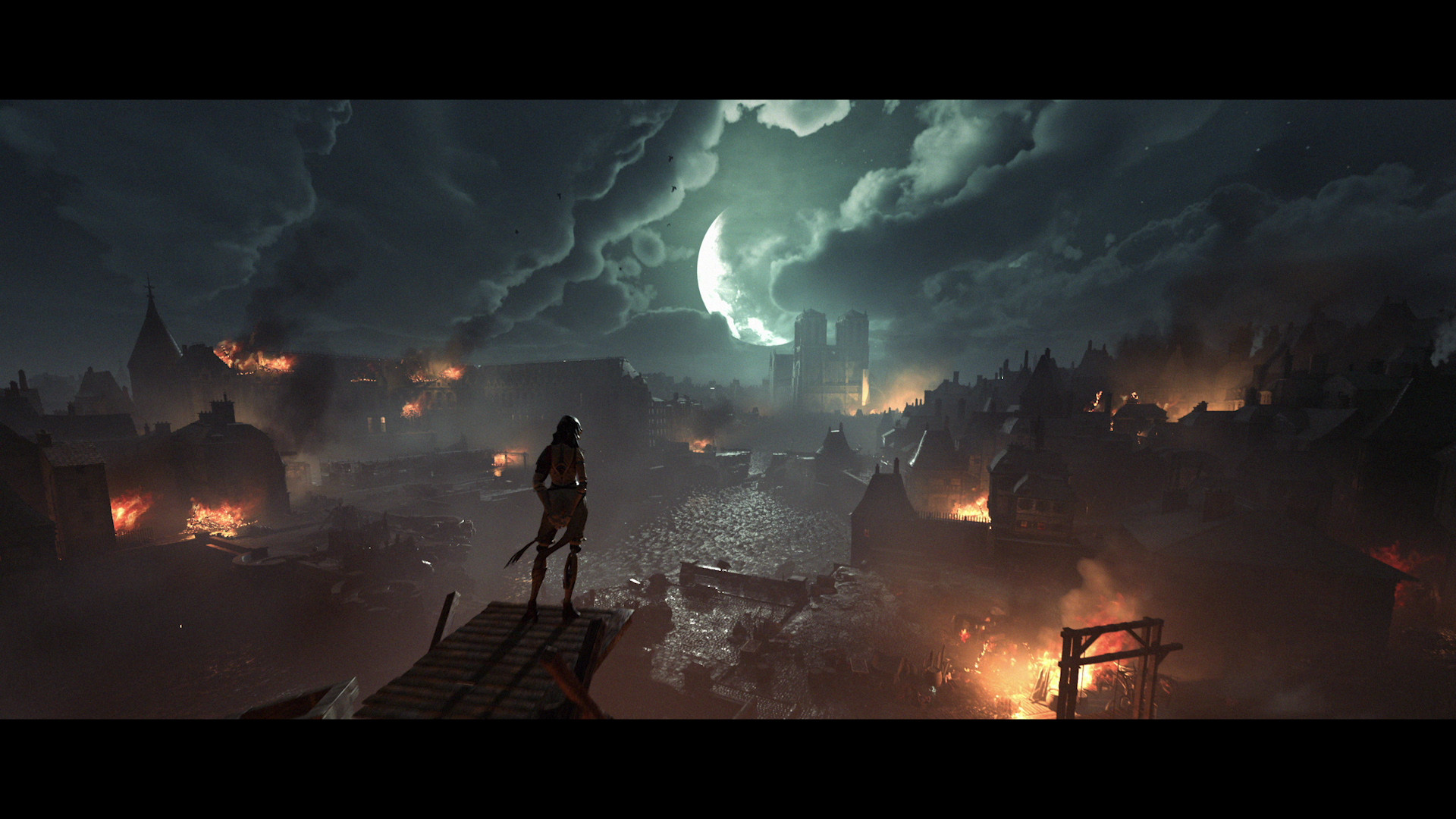
Spiders’ final release, Steelrising (2022), reimagined the French Revolution through the lens of the Soulslike genre, featuring a mechanical protagonist. While technically impressive, the game arrived in a competitive market and, like many of the studio’s titles, found its audience among players who valued creativity over mainstream appeal. Over the years, Spiders carved out a niche as a studio that prioritized bold ideas, even if it never achieved widespread commercial success.
The Nacon Effect: How a Publisher’s Mismanagement Unraveled a Studio
Spiders’ closure was not an isolated event. In March 2026, the studio filed for insolvency alongside two other Nacon-owned developers, Kylotonn and Cyanide. The French publisher, which had acquired Spiders in 2019, was undergoing its own financial restructuring, and efforts to sell the studio had been unsuccessful. According to reports from Push Square, Nacon had been exploring potential buyers for months, but the court-appointed administrator overseeing the process would proceed with liquidation this week, describing the move as a procedural step.
The studio’s challenges were further complicated by criticisms from the French video game union Syndicat des Travailleureuses du Jeu Vidéo. In a statement released in March, the union accused Nacon’s leadership of undermining the studio’s potential through poor management decisions. The union highlighted deteriorating working conditions and the creation of new studios under Nacon’s umbrella, which it argued were used to reduce headcount in existing teams. These actions, the union claimed, only deepened the studio’s struggles.
Nacon’s financial difficulties had been building for some time. The publisher, known for acquiring mid-sized studios, had expanded rapidly, but its strategy appeared to focus on short-term gains rather than long-term stability. Spiders, once an independent studio with a clear creative vision, became entangled in a restructuring plan that left little room for autonomy. The insolvency filings of Spiders, Kylotonn, and Cyanide raised concerns about the sustainability of Nacon’s approach and whether its model was contributing to the decline of the studios it had acquired.
The Human Cost: What Happens When a Studio Closes
For the developers at Spiders, the closure represented more than a corporate decision—it marked the end of a community. The studio’s final days were a mix of practical steps and reflection. Employees updated their CVs while also organizing a final gathering to honor the studio’s legacy. The CSE’s efforts to facilitate equipment buybacks and repurpose the weekly gathering into a farewell event underscored the team’s desire to acknowledge their shared work.

The closure of Spiders reflects a broader trend in the gaming industry, where mid-sized studios face increasing pressure from consolidation and financial instability. In recent months, other studios have faced similar challenges, including Ivy Road, the developers behind the 2025 hit Wanderstop. The demand for commercial success in an oversaturated market has left little room for studios that prioritize creativity over profitability. For Spiders, this pressure was compounded by Nacon’s management decisions, which transformed a once-thriving studio into a casualty of corporate restructuring.
The future for Spiders’ developers remains uncertain. Some may transition to other studios, while others may leave the industry altogether. The fate of the studio’s intellectual property is equally unclear. The GreedFall series, Steelrising, and other franchises could be sold to another publisher or remain in legal limbo. For fans, the closure represents the loss of a studio that embraced uniqueness in an industry often driven by conformity.
The Future of Spiders’ IP: A Question Mark for Fans and Developers
The liquidation of Spiders leaves its intellectual property in an uncertain position. The studio’s most recent project, GreedFall 2: The Dying World, was still in development when insolvency proceedings began, and its future is now unclear. The GreedFall series had cultivated a loyal following, and Steelrising had earned praise for its innovative take on the Soulslike genre. Whether these franchises will find new life under another publisher—or fade into obscurity—remains to be seen.
For Nacon, the closure of Spiders serves as a cautionary tale about the risks of aggressive expansion. The publisher’s strategy of acquiring studios without a clear long-term plan has left it with a portfolio of struggling teams. The insolvency filings of Spiders, Kylotonn, and Cyanide suggest that Nacon’s financial challenges are ongoing. If the publisher continues to prioritize short-term financial solutions over sustainable growth, more studios could face similar outcomes.
The gaming industry has long grappled with the balance between creativity and commercial success. Spiders’ closure illustrates the consequences when that balance is disrupted—not by a lack of talent or vision, but by corporate decisions that prioritize restructuring over innovation. For the developers who called Spiders home, the end of the studio is a personal loss. For the industry, it serves as a reminder: mid-sized studios are not expendable, and their collapse leaves a void that is not easily filled.
As the final gathering at Spiders becomes a moment of reflection on 18 years of work, the question remains: what comes next for the games—and the people—left behind?