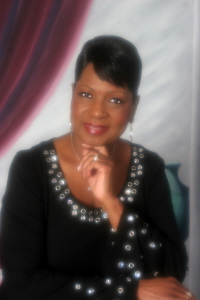
The Church Roots of a Soul Voice
Barbara Jean Crosby was born on January 9, 1941, in St. Louis, Missouri, a city with a rich musical heritage. Like many Black artists of her era, her earliest performances took place in church, where she sang alongside her siblings. These formative years introduced her to the rhythms and emotional expressions that would later shape her musical style. The transition from sacred to secular music was gradual, beginning with her role in the Comets, a local band she joined at 16.
Her professional breakthrough came through a family connection to bandleader Oliver Sain, who was seeking a vocalist to replace Fontella Bass. Carr’s vocal ability—marked by both power and subtlety—secured her the position, opening doors to Chicago’s vibrant music scene in the 1960s. The city’s blues and soul culture provided the backdrop for her early development as an artist, offering opportunities to refine her sound and expand her audience.
Chicago and the Chess Records Era: A Career Takes Shape
In 1966, Carr signed with Chess Records, a label that had already played a pivotal role in shaping the careers of blues and soul legends. For Carr, this partnership represented a significant step in her professional journey, allowing her music to reach a wider audience. While her time at Chess was foundational, her career continued to evolve in the decades that followed.
After a period focused on family life, Carr returned to recording in the late 1980s. Her albums Good Woman Go Bad (1989) and Street Woman (1992) reflected her ability to merge soulful melodies with blues influences. The titles of these albums suggested different facets of her musical persona, with themes that resonated with listeners who connected with her storytelling and emotional delivery.
The Ecko Records Years: Hits, Awards, and a Loyal Audience
In 1996, Carr began a long-standing collaboration with Ecko Records, a label known for its contributions to Southern soul. Over the next decade, she released nine albums under the label, including two best-of compilations. Some of her most well-known songs from this period—Footprints on the Ceiling, The Bo Hawg Grind, If You Can’t Cut the Mustard, The Right Kind of Love, and Bone Me As You Own Me—became staples of her live performances and recordings.
Her work with Ecko also brought industry recognition. She received the Living Blues Readers Award for Female Blues Artist of the Year twice, and in 2013 and 2014, she was nominated for a Blues Music Award in the Soul Blues Female Artist
category. These honors underscored her influence within the genre, particularly as a woman in an industry where female artists have historically faced challenges in gaining visibility.
Beyond awards, Carr’s appeal lay in her ability to connect with audiences. Her music often drew from personal experiences, and her performances were noted for their emotional authenticity. Whether in the studio or on stage, she conveyed a sense of intimacy that made her work relatable to listeners.
A Life Beyond the Stage: Family, Love, and Legacy
While Carr’s professional accomplishments were significant, her personal life was equally central to her identity. Described in her obituary as a devoted wife, mother, grandmother, and friend,
she maintained close relationships with her family throughout her career. She shared over four decades of marriage with her late husband, Charles Henry Carr Jr., with whom she raised four children: Margaret Dennis, Charlesetta Carr, Vicky Hacker, and Charles (Chuck) Carr III. Later in life, she found companionship with Bill Greensmith, who remained with her until her passing.
The tributes following her death highlighted this balance between her public and private roles. Her husband’s message on her obituary read: A wonderful lady! We made a great team!
Her daughter Margaret shared: Mom, you are the light in my life, thank you for being there for me when I needed you. My heart aches now that I can’t touch you, but we will see each other again one day. Love you always.
The St. Louis Blues Society also acknowledged her impact, stating: As many have already heard, St. Louis has lost a legendary artist. Barbara Carr passed this week, and now that we have received a formal announcement of her arrangements, we wish to share them with you.
Carr’s ability to sustain both a successful career and meaningful personal relationships offered a perspective on how artists navigate the demands of public life. Her story emphasized the importance of family and connection alongside professional achievement, providing an example of how these aspects of life can coexist.
The Cultural Thread She Wove
Barbara Carr’s career spanned multiple eras and genres, linking the gospel traditions of St. Louis to the blues clubs of Chicago and the soul stages of the South. Her music served as a bridge between different musical styles and generations, reflecting the evolution of soul and blues over time. She contributed to a tradition that valued emotional expression and cultural authenticity, remaining true to her roots while adapting to changing musical landscapes.
Her journey also highlighted the broader shifts within the music industry. From her early days at Chess Records to her later work with Ecko and her own label, Bar-Car, Carr demonstrated an ability to navigate different phases of her career. Her success in a male-dominated field further underscored her talent and determination, paving the way for other women in soul and blues.
As the music community reflects on her legacy, Carr’s recordings continue to resonate with listeners. Her voice carried the stories of faith, perseverance, and love, ensuring that her influence will endure for future generations of artists and fans.