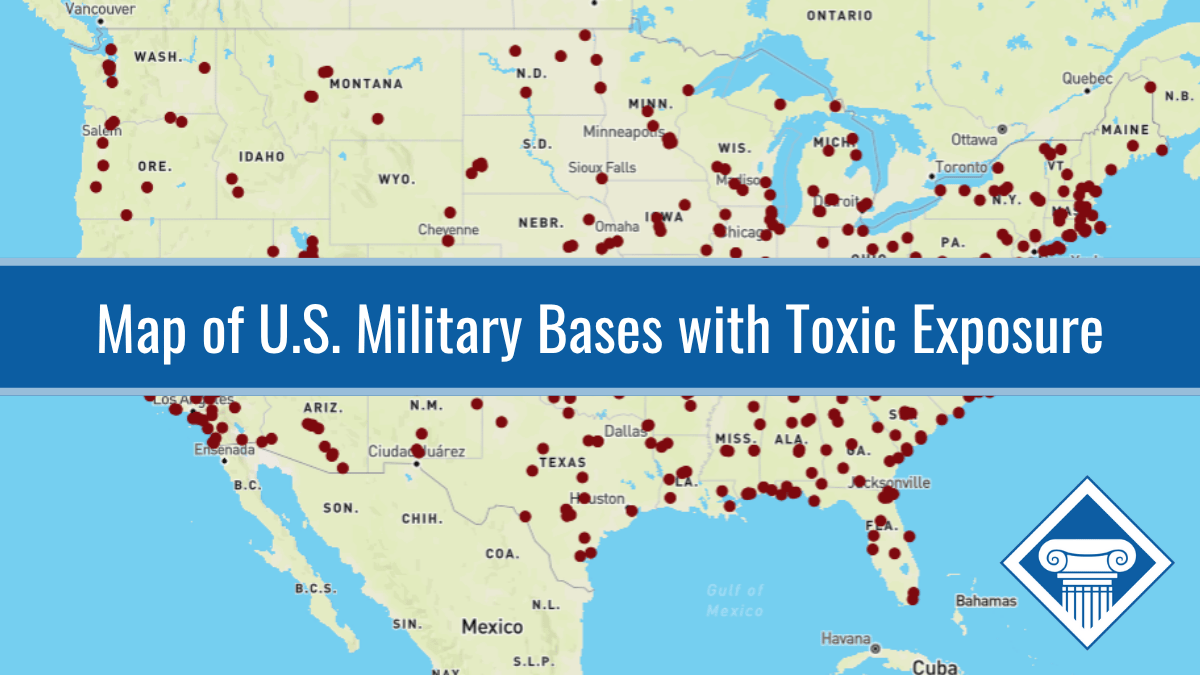
PFAS Contamination at Military Bases in New Mexico
Per- and polyfluoroalkyl substances (PFAS), known as “forever chemicals,” have been extensively detected at military installations in New Mexico, including Cannon Air Force Base and Holloman Air Force Base. These chemicals, used in firefighting foams for decades, persist in the environment and accumulate in the human body, posing significant health risks. Studies link PFAS exposure to increased cancer risks, liver dysfunction, thyroid disease, and immune system impairment.
New Mexico’s Environmental Department (NMED) identifies the state as hosting some of the nation’s most severe PFAS contamination, exacerbated by historical use of aqueous film-forming foams (AFFF) at military sites. The state’s PFAS Blood Testing Program, launched to monitor exposure among residents near affected bases, highlights the urgency of addressing this crisis.
New Mexico’s Legal Strategy to Compel Federal Accountability
New Mexico has taken aggressive steps to compel federal accountability. In 2026, the state filed lawsuits against the U.S. Department of War, demanding an end to non-emergency PFAS foam use and financial compensation for property owners harmed by pollution. These efforts align with the PFAS Protection Act, which prohibits the intentional addition of PFAS to consumer products and classifies AFFF as a hazardous waste under state law.
The state’s legal strategy aims to shift cleanup costs from taxpayers to polluters, a move praised by environmental advocates. However, the federal government has resisted, citing jurisdictional disputes and funding constraints. New Mexico’s actions have positioned it as a national leader in the fight against PFAS, with other states reportedly considering similar measures.
Health Risks and Public Health Responses to PFAS Exposure
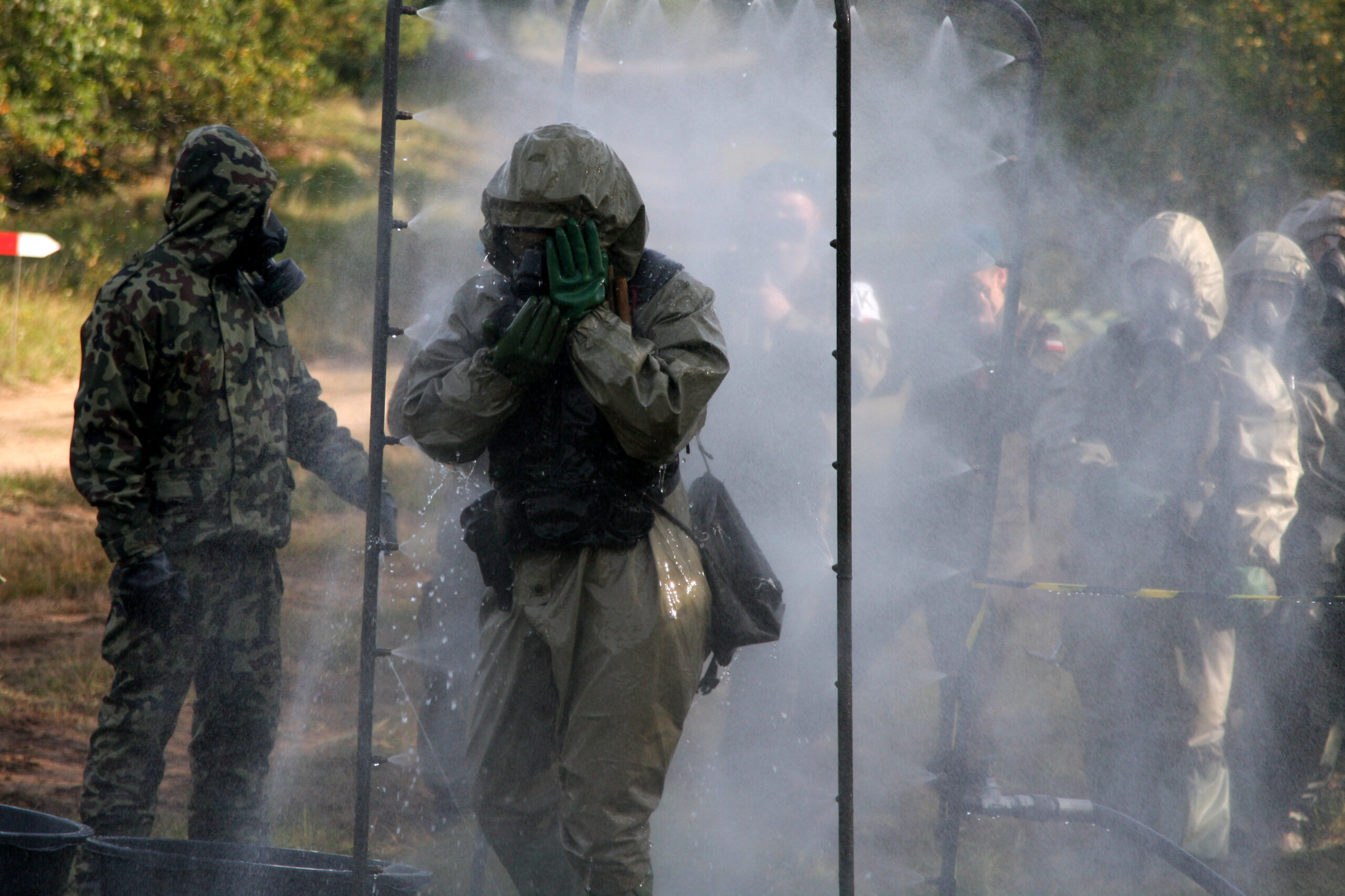
The health impacts of PFAS contamination have prompted widespread public concern. NMED’s research emphasizes that even low-level, long-term exposure can lead to severe consequences, including pregnancy complications, reduced vaccine efficacy, and developmental delays in children. Local communities near military bases have reported higher-than-average rates of thyroid disorders and cancer, though direct causation remains under investigation.
Public health officials urge expanded monitoring and stricter regulations. The PFAS Blood Testing Program, offering free screenings to adults in affected areas, underscores the state’s commitment to transparency. However, advocates argue that more resources are needed to address the scale of the problem, particularly given the federal government’s delayed cleanup timelines.
Federal Cleanup Delays and the Potential Precedent of New Mexico’s Lawsuits
The U.S. Department of Defense (DoD) has faced criticism for extending deadlines to address PFAS contamination at over 100 military sites. A 2025 report revealed that the DoD postponed cleanup efforts, citing technical challenges and budgetary constraints. This delay has intensified pressure on states like New Mexico to pursue independent legal and regulatory actions.
While the DoD has pledged to reduce PFAS use, critics argue that federal responses remain insufficient. New Mexico’s lawsuits may set a precedent for other states seeking to hold the federal government accountable for environmental harm. The outcome of these legal battles could reshape federal policies on PFAS regulation and liability.