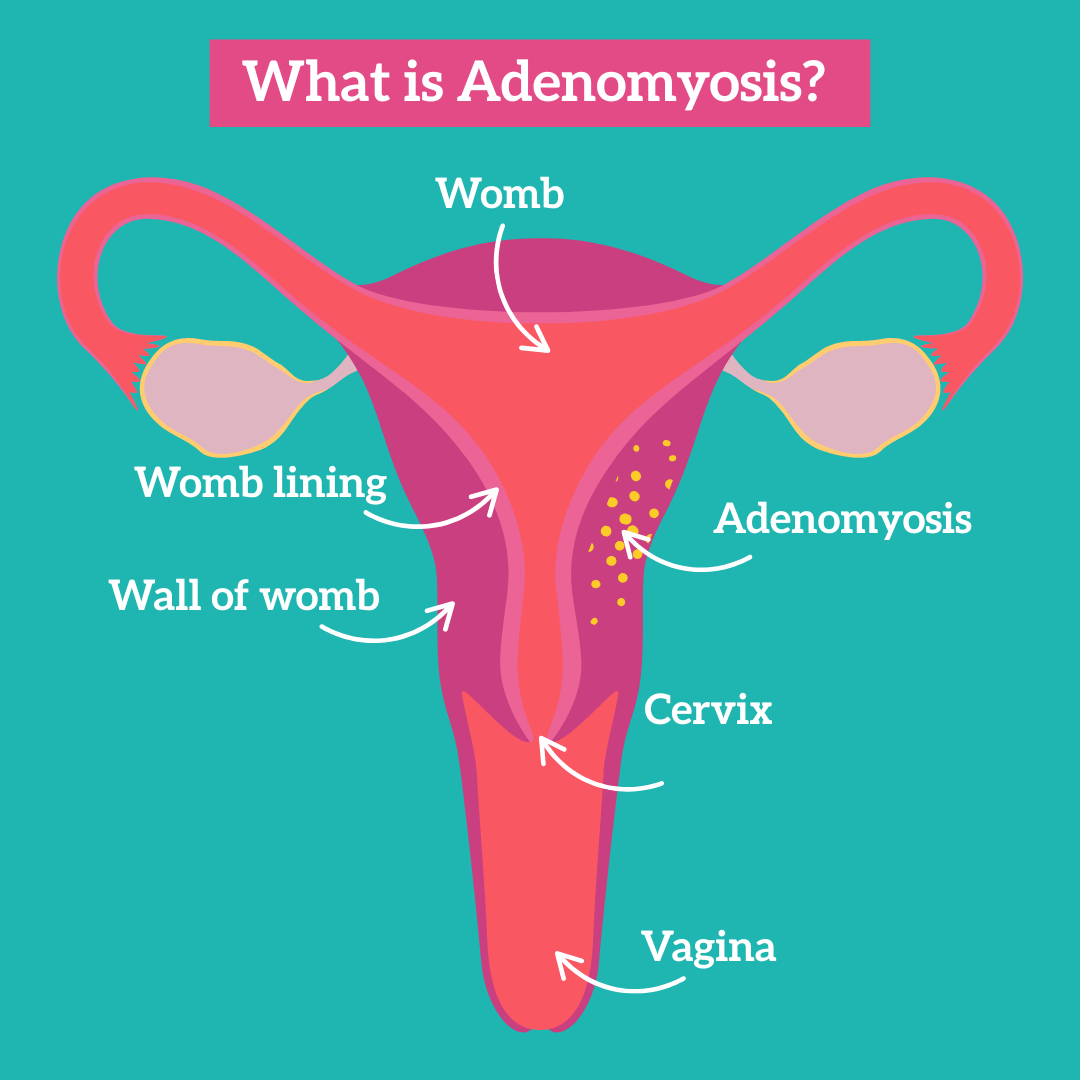
Adenomyosis, a condition where uterine lining tissue grows into the uterine wall, affects 20-35% of women, according to the Wikipedia reference. Despite its prevalence, it often remains undiagnosed due to asymptomatic cases, yet it can cause severe menstrual pain and heavy bleeding, as noted in multiple medical sources.
Understanding Adenomyosis
Adenomyosis occurs when endometrial tissue, typically lining the uterus, invades the myometrium, the muscular wall of the uterus. This infiltration causes the uterus to enlarge, sometimes doubling or tripling in size, as described by the Cleveland Clinic. The condition is distinct from endometriosis, where similar tissue grows outside the uterus. While adenomyosis is non-cancerous, its symptoms can significantly disrupt daily life.
The exact prevalence of adenomyosis remains unclear, but research published in the Journal of Minimally Invasive Gynecology (2025) suggests that up to 35% of women over 35 may be affected, with higher rates in those who have undergone uterine procedures such as cesarean sections or dilation and curettage (D&C). The Cleveland Clinic notes that hormonal fluctuations—particularly elevated estrogen levels—play a key role in symptom severity. A 2024 study in Fertility and Sterility found that women with adenomyosis have a 40% higher likelihood of experiencing heavy menstrual bleeding compared to those without the condition.
Dr. Elizabeth Stewart, a reproductive endocrinologist at the Johns Hopkins School of Medicine, emphasizes that adenomyosis is often misdiagnosed due to overlapping symptoms with endometriosis and fibroids. “The key difference,” she states, “is that adenomyosis involves deep infiltration of endometrial tissue into the uterine muscle, whereas endometriosis affects tissues outside the uterus.” A 2023 meta-analysis in The Lancet Regional Health highlighted that diagnostic delays average 7.2 years, with many women initially dismissed for having “normal” menstrual pain.
Symptoms and Diagnosis
Symptoms of adenomyosis vary widely. Approximately one-third of patients experience no symptoms, while others report heavy, prolonged menstrual bleeding, severe cramping, abdominal pressure, and pain during intercourse, as outlined by WebMD. Chronic pelvic pain and infertility may also occur, with a 2025 study in Human Reproduction indicating that women with adenomyosis face a 25% higher risk of secondary infertility compared to the general population.
Diagnosis typically involves imaging techniques like transvaginal ultrasound or MRI, which can reveal an enlarged uterus with characteristic changes in the myometrium. The American Academy of Family Physicians (AAFP) notes that clinical evaluation and patient history are critical, as symptoms overlap with other gynecological conditions. However, definitive diagnosis often requires histopathological analysis after surgical removal of affected tissue. A 2024 guideline from the National Institute for Health and Care Excellence (NICE) recommends MRI as the gold standard for diagnosing adenomyosis, with a sensitivity of 88% when performed by experienced radiologists.
Dr. Sarah Berga, professor of obstetrics and gynecology at the University of Michigan, warns that many women are misdiagnosed due to the lack of standardized criteria. “We see cases where women have been told their pain is ‘all in their head’ or that they just have ‘bad periods,'” she says. A 2023 survey by the Adenomyosis Association found that 68% of respondents reported delays in diagnosis, with an average wait time of 5.1 years before receiving an accurate diagnosis.
Treatment Options
Treatment for adenomyosis depends on symptom severity and patient preferences. Medications such as hormonal therapies (e.g., birth control pills, progestins) or nonsteroidal anti-inflammatory drugs (NSAIDs) are commonly prescribed to manage pain and reduce bleeding, as stated by the Cleveland Clinic. A 2025 randomized controlled trial in Obstetrics & Gynecology found that continuous combined oral contraceptives reduced heavy menstrual bleeding by 60% in women with adenomyosis.
For severe cases, surgical interventions like uterine artery embolization (UAE) or hysterectomy may be recommended. A 2024 study in BJOG: An International Journal of Obstetrics & Gynaecology reported that UAE reduced pain scores by 70% in 82% of patients at 12 months post-procedure, though long-term data on fertility preservation remains limited. The NHS highlights that hysterectomy is considered a last resort due to its irreversible nature, particularly for women who wish to preserve fertility.
Dr. Tamer Seckin, founder of the Seckin Fertility Institute, advocates for a multidisciplinary approach, combining hormonal therapies with minimally invasive techniques such as excision surgery. “We’ve seen success with targeted excision of adenomyotic lesions, which can preserve uterine function while alleviating symptoms,” he notes. However, a 2023 systematic review in Fertility and Sterility cautioned that surgical outcomes vary widely based on the extent of tissue involvement.
Impact on Patients
The impact of adenomyosis extends beyond physical symptoms. Chronic pain and heavy bleeding can lead to anemia, fatigue, and reduced quality of life, as noted in the Wikipedia entry. A 2024 study in Pain Medicine found that women with adenomyosis report a 45% higher prevalence of depression and anxiety compared to the general population, attributing this to the chronic nature of their symptoms.
The condition also poses challenges for reproductive health, with some patients experiencing difficulty conceiving. Research published in Reproductive Biomedicine Online (2025) indicated that women with adenomyosis have a 30% lower live birth rate after in vitro fertilization (IVF) compared to those without the condition. Dr. Richard Legro, professor of obstetrics and gynecology at the Perelman School of Medicine at the University of Pennsylvania, stresses that “adenomyosis is often an overlooked factor in infertility evaluations, yet its presence can significantly impact treatment outcomes.”
Despite its significant burden, adenomyosis remains underdiagnosed and undertreated. The AAFP reports that many women dismiss symptoms as normal menstrual variations, delaying care. A 2023 patient advocacy report by the Adenomyosis Association revealed that 72% of women surveyed had not received any information about adenomyosis from their healthcare providers, highlighting a critical gap in patient education.
Current Research and Awareness
Research into adenomyosis is ongoing, with a focus on understanding its pathophysiology and developing targeted therapies. The Radiopaedia.org article notes that the condition is sometimes considered a spectrum of endometriosis, though distinct mechanisms are being explored. A 2025 study in Nature Reviews Endocrinology identified genetic and epigenetic differences between adenomyosis and endometriosis, suggesting potential for personalized treatment approaches.

Recent advancements include the development of new imaging techniques, such as contrast-enhanced MRI, which improves diagnostic accuracy. A 2024 clinical trial in Ultrasound in Obstetrics & Gynecology demonstrated that contrast-enhanced ultrasound could detect adenomyosis with 92% sensitivity, offering a less expensive alternative to MRI. Additionally, research into non-hormonal therapies, such as selective progesterone receptor modulators (SPRMs), is underway, with early-phase trials showing promise in reducing symptom severity.
Advocacy groups and healthcare institutions are working to increase recognition of adenomyosis. The Cleveland Clinic and WebMD both stress the importance of patient education, urging women to seek medical advice if they experience persistent menstrual pain or abnormal bleeding. The Adenomyosis Association has launched initiatives to improve diagnostic pathways, including partnerships with major hospital systems to train clinicians in recognizing adenomyosis symptoms.
As of May 2026, no breakthrough treatments have emerged, but advancements in imaging and minimally invasive procedures offer hope for improved outcomes. Patients are advised to consult healthcare providers for personalized care, as management strategies must balance symptom relief with long-term health considerations. Dr. Berga emphasizes, “While we don’t yet have a cure, early diagnosis and tailored treatment plans can significantly improve quality of life for women with adenomyosis.”