US President Donald Trump signaled a potential shift in policy toward Cuba this week, explicitly discussing the possibility of a regime takeover. Amid a severe domestic crisis on the island, the US has increased economic and diplomatic pressure, while reports suggest the USS Nimitz has reached the Caribbean.
Escalating Rhetoric and the Threat of Takeover
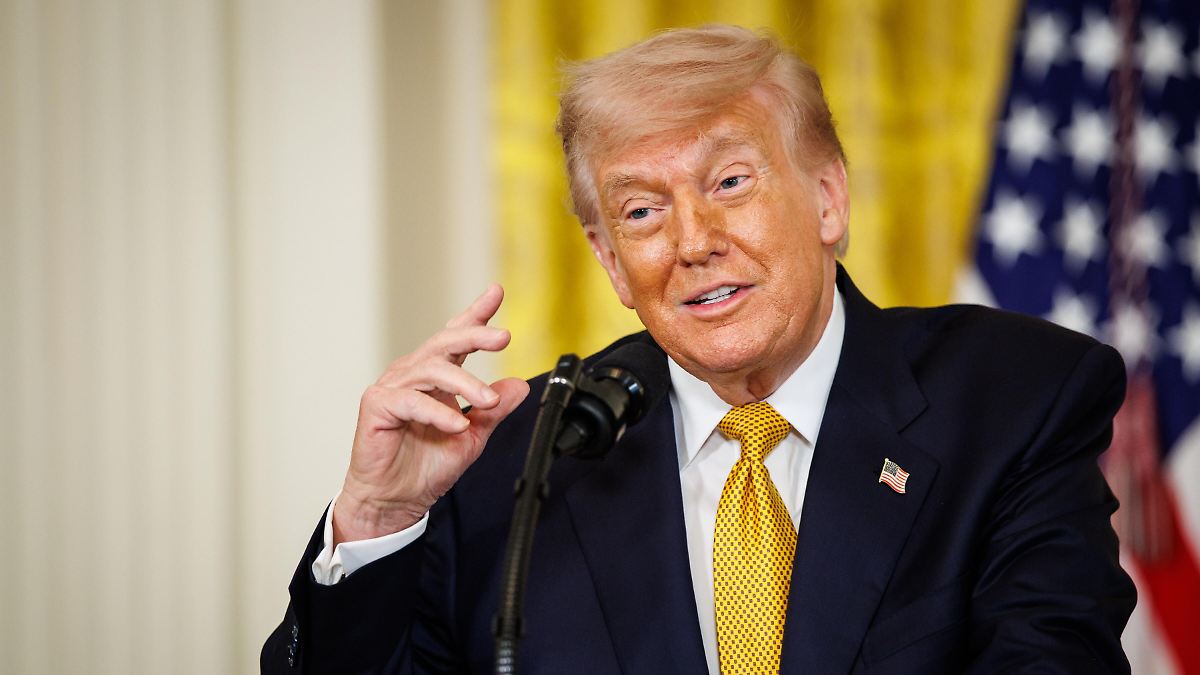
The standoff between Washington and Havana reached a new intensity on Thursday when President Trump addressed the current state of the island during a press appearance at the White House. Responding to questions regarding the conflict, Trump indicated that he might be the leader to finally resolve the decades-long impasse, according to reporting by the Associated Press.
cluster (priority): Ntv
“Andere Präsidenten haben 50 oder 60 Jahre lang überlegt, ob sie etwas unternehmen sollen. Und wie es aussieht, werde ich derjenige sein, der es tut. Ich würde mich jedenfalls freuen.” — Donald Trump, US President
cluster (priority): BILD
Trump’s comments follow a series of actions that suggest a more aggressive posture than previous administrations. Beyond the rhetoric, the administration has characterized the island as a “failed state.” Trump further remarked on the dire conditions facing the Cuban population, stating, “Sie haben keinen Strom. Sie haben kein Geld. Eigentlich haben sie gar nichts. Aber wir werden ihnen aushelfen.”
The administration’s shift in rhetoric marks a departure from standard diplomatic norms, moving toward an explicit discussion of regime change. White House officials have framed the current strategy as a response to the humanitarian collapse on the island, which has been marked by widespread power outages and the depletion of basic resources. The focus on “helping” the population is being used as a justification for the heightened military and economic posture currently being adopted by the executive branch.
Military Positioning and the USS Nimitz
The diplomatic friction is mirrored by a reported shift in military positioning. Unconfirmed reports indicate that the USS Nimitz arrived in the Caribbean on Wednesday, placing the aircraft carrier within reach of the Cuban coast. While the White House has declined to confirm the vessel’s specific mission, the move has heightened regional tensions.
Trump says Cuba 'is going to fall pretty soon,' signals U.S. role in regime change
This military maneuver coincides with broader economic pressure. Since taking office for his second term, Trump has intensified sanctions, including new tariffs on nations that supply Cuba with oil or petroleum products. According to n-tv, these measures have effectively halted shipments from major energy suppliers and led logistics firms to suspend transport services to the island. The isolation of the Cuban energy grid remains a primary objective, with Washington attempting to leverage the country’s dependence on foreign fuel to force political concessions.
Diplomatic Deadlock and Legal Actions
US Secretary of State Marco Rubio, a known hardliner on Cuban policy, expressed deep skepticism regarding the potential for a peaceful resolution. Speaking ahead of a NATO meeting in Sweden, Rubio emphasized that the administration’s priority remains a negotiated agreement, though he noted that the current leadership in Havana makes such an outcome unlikely.
cluster (priority): news.google.com
“Die Wahrscheinlichkeit, dass das geschieht, ist angesichts der Leute, mit denen wir es gerade zu tun haben, nicht hoch.” — Marco Rubio, US Secretary of State
The legal front has also widened. The US government recently moved to charge former Cuban president Raúl Castro with murder in connection to the 1996 shootdown of two civilian aircraft operated by the group “Brothers to the Rescue,” which resulted in the deaths of four US citizens. As Die Presse reports, this potential indictment adds a significant layer of legal jeopardy to the already strained bilateral relationship, even as the CIA has reportedly engaged in recent, complex dialogues with Cuban officials to discuss security and economic transitions. These back-channel discussions, while not publicly detailed, suggest that the administration is simultaneously preparing for both potential conflict and a managed political transition.
Economic Aid and the Role of Gaesa
Despite the aggressive posture, Washington has extended an offer of $100 million in humanitarian aid, consisting primarily of food and medicine. However, the administration has placed strict conditions on this assistance. Rubio has insisted that any aid must be distributed through independent channels, such as the Catholic Church or established relief organizations, to ensure that funds do not reach Gaesa. The military-linked holding company remains a central target of US policy, as it controls a substantial portion of the Cuban economy.
Analysts note that the demand to bypass Gaesa is a calculated effort to erode the internal economic power of the Cuban military, which has historically maintained control over the distribution of imported goods. By channeling aid directly to the population, the US hopes to undermine the government’s monopoly on survival, effectively weakening the regime’s grip on the populace during the current crisis. For now, the prospect of this aid being accepted—or the potential for a larger military intervention—remains the defining uncertainty in the Caribbean, with international observers watching closely to see if Havana will permit the distribution of US-supplied provisions under these restrictive terms.