
Guylaine Guay, an author and television personality, announced on May 23, 2026, that she will undergo the first of several surgical interventions in Germany this October to treat lipedema. Her decision follows a public campaign to raise awareness for the condition, which remains unrecognized by the medical systems in Quebec and Canada.
A Medical Diagnosis and the Path to Surgery
Guylaine Guay’s journey toward a diagnosis began in 2024, following the production of her television show, Toutoune journée. After a viewer noted that their legs appeared similar and suggested the possibility of lipedema, Guay pursued a medical consultation with a phlebologist. This led to a formal diagnosis of lipo-lymphedema. Since that time, she has become a vocal advocate for women living with the condition, sharing her personal experience through media appearances and her book, Corps gras, ma quête pour mieux comprendre le lipœdème, published in November 2025.
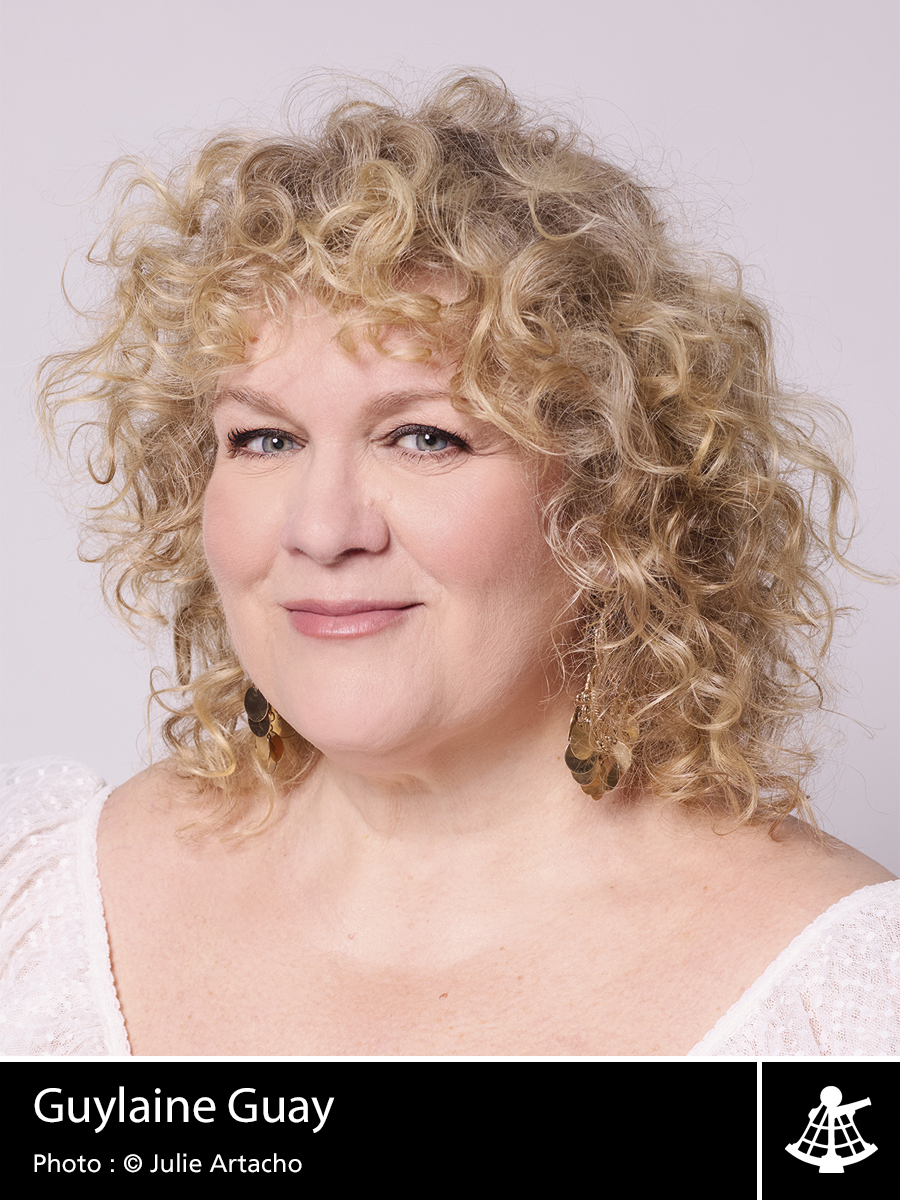
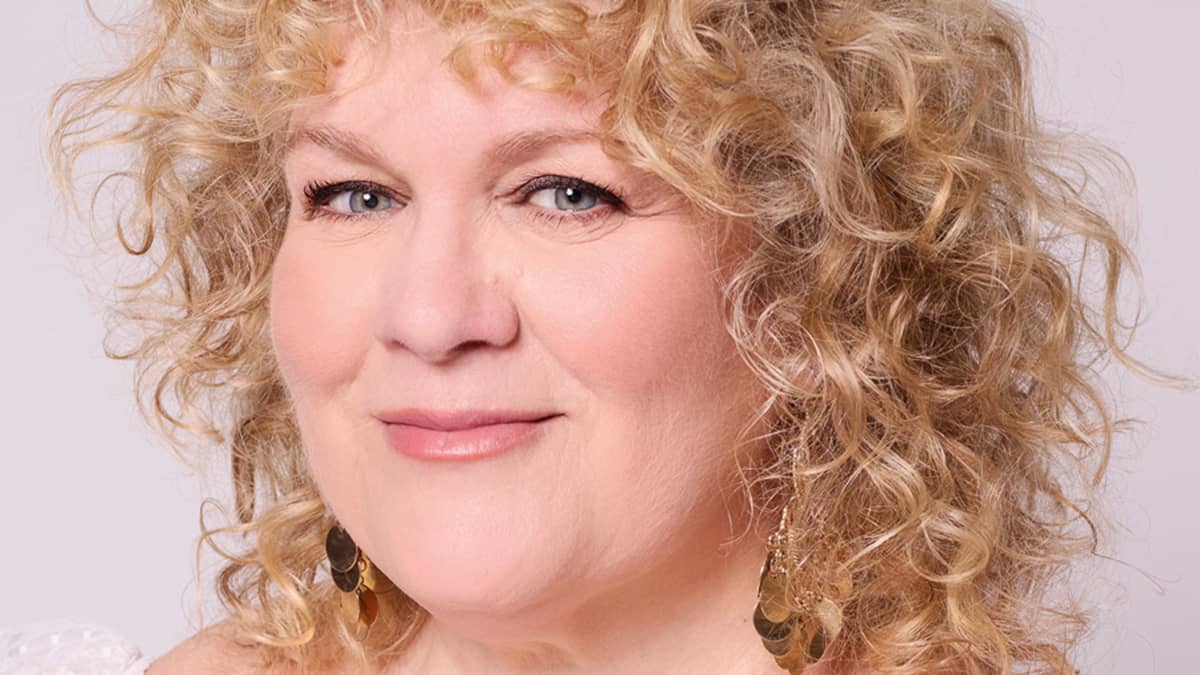
As reported by Showbizz.net, Guay confirmed that she will travel to Germany in October 2026 for the first of three or four planned surgeries. She emphasized that these procedures are being conducted entirely at her own expense. The financial burden is significant; according to details shared by Clin d’œil, a single specialized procedure, such as Water-Assisted Liposuction (WAL), can cost approximately $20,000. With multiple surgeries required, the total cost for patients in advanced stages can reach between $80,000 and $100,000.
The surgical approach Guay is pursuing, Water-Assisted Liposuction (WAL), is a technique distinct from traditional liposuction often used for cosmetic contouring. In the context of lipedema, clinicians utilize this method to gently remove the diseased adipose tissue while minimizing trauma to the lymphatic vessels, which are already compromised in patients with lipo-lymphedema. Because the tissue associated with lipedema is characterized by fibrous, nodular fat, standard manual liposuction can be technically challenging and carries a higher risk of damaging the underlying lymphatic drainage system.
The Challenge of Medical Recognition
A primary focus of Guay’s advocacy is the lack of institutional recognition for lipedema in Quebec and Canada. The condition, which is hormone-dependent and often hereditary, involves an accumulation of fat and connective tissue that can eventually lead to a complete loss of mobility. Guay has highlighted a systemic gap in care, noting that the medical community frequently misidentifies the condition.
Too often, doctors confuse it with obesity or cellulite, or even think it is the result of a certain laziness. Lipedemic fat is sick fat that does not dislodge. These are large fatty nodules that obstruct the lymphatic system.
Because the condition is not recognized by local health authorities, specialized surgical interventions like WAL are not performed within the Canadian public healthcare system. This forces patients to seek treatment abroad, creating a reliance on the support and shared experiences of other affected women rather than clinical infrastructure. Patients attempting to navigate this landscape often find that the lack of a standardized diagnostic code in Canada complicates insurance coverage and access to specialized physiotherapy, such as Manual Lymphatic Drainage (MLD), which is frequently required post-operatively to manage fluid accumulation.
Advocacy and Future Perspectives
Guay estimates that one in ten women suffers from lipedema, yet the condition remains largely overlooked by policy makers and medical institutions. In her recent statements, she has appealed to influential figures to help shift the focus toward the physical and mental health of women living without proper medical support.
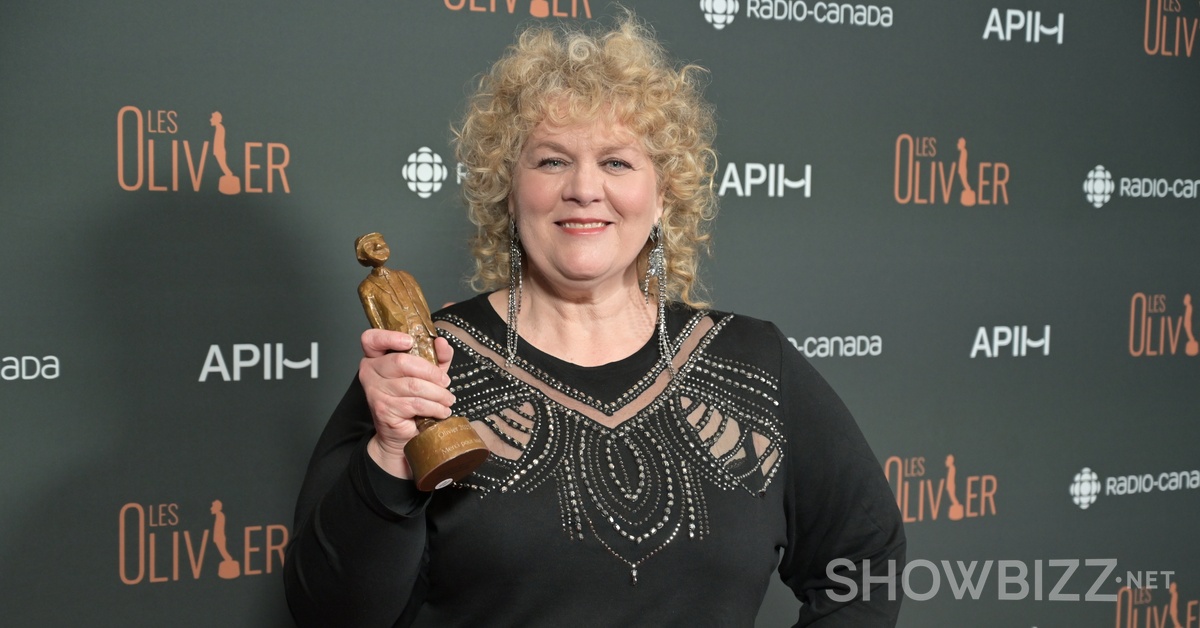
I am soliciting the light of influential women who will be able to change the physical and mental health state, the daily life but especially the future perspectives of women, like me, who suffer from lipedema without recognition or care.
For many patients, the diagnosis itself provides a necessary explanation for physical symptoms that have long been misunderstood. Guay has described the emotional relief of finally identifying the underlying cause of her physical condition, likening the diagnosis to finding a missing piece of a puzzle. As she prepares for her upcoming medical procedures, her advocacy serves to highlight both the personal toll of the disease and the broader need for systemic change in how women’s health issues are recognized and treated.
Individuals experiencing symptoms consistent with lipedema, such as disproportionate fat accumulation in the lower extremities or pain upon pressure, should consult with qualified medical professionals, such as phlebologists, vascular specialists, or lymphedema therapists. These practitioners are best equipped to perform clinical evaluations and differentiate between lipedema and other conditions like primary lymphedema or venous insufficiency, ensuring that patients receive appropriate guidance rather than relying solely on self-assessment.