
The Major League Baseball Players Association officially opened negotiations for a new collective bargaining agreement by submitting a proposal aimed at reshaping the league’s financial structure. The offer, which was quickly rejected by league owners, introduces a competitive-integrity tax and seeks significant increases to the minimum salary and various player compensation pools.
The Mechanics of the Proposed Competitive-Integrity Tax
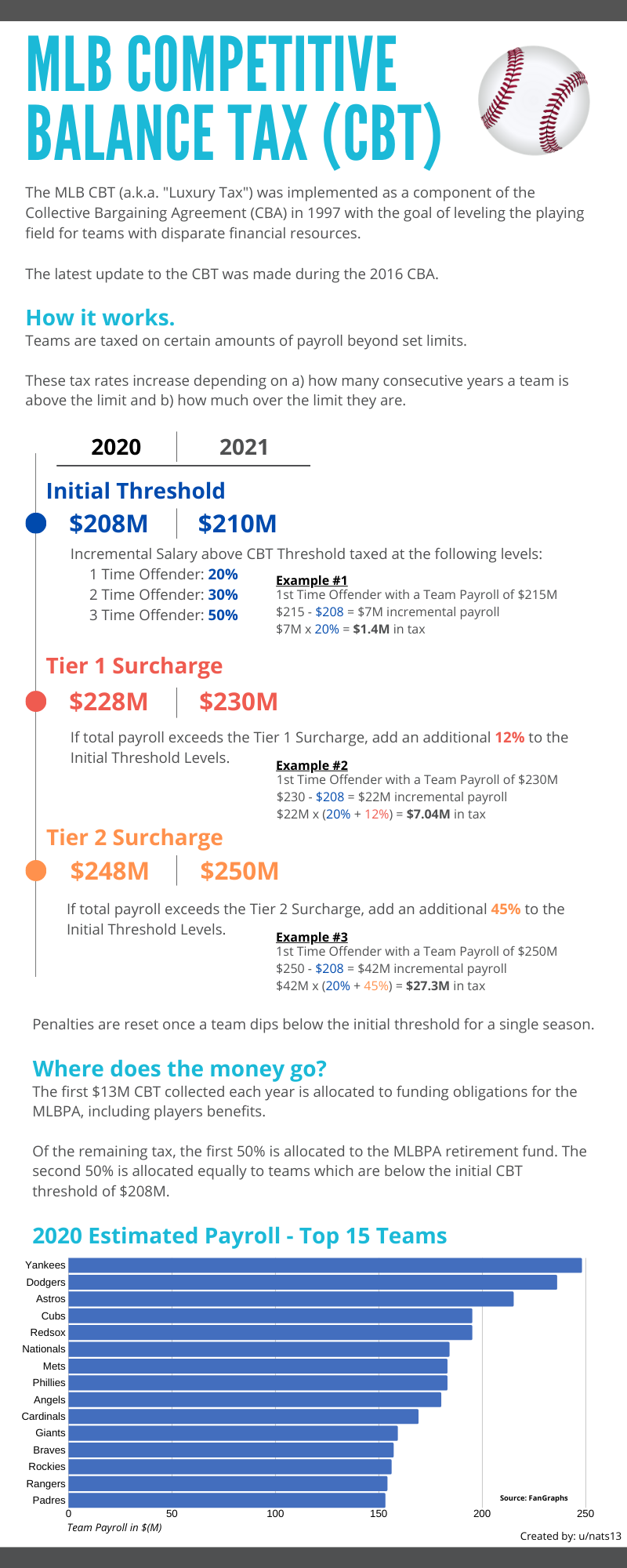
At the heart of the union’s opening position is an attempt to address payroll disparity without implementing a traditional hard salary cap. The Major League Baseball Players Association has proposed a “competitive-integrity tax” designed to function as a soft salary floor. Under this framework, any team failing to spend at least $150 million on its roster annually would face financial penalties.
This mechanism represents a strategic pivot for the union. By avoiding a hard floor, the players are likely attempting to preempt a counter-proposal from owners that would include a hard salary cap. The proposal is designed to discourage low-spending habits, though the league has already signaled that it finds the current iteration of the plan insufficient for addressing the broader competitive balance issues that define the current CBA proposals.
Core Financial Adjustments and Eligibility Reforms
Beyond the tax, the union’s proposal contains a suite of financial demands aimed at increasing the earnings of younger players and accelerating the path to free agency. These demands reflect an effort to redistribute revenue more aggressively toward the active workforce rather than maintaining the status quo.
- Minimum Salary: An increase from $780,000 to $1.5 million.
- CBT Threshold: Raising the first Competitive Balance Tax threshold from $244 million to $300 million.
- Bonus Pool: Expanding the pre-arbitration bonus pool from $50 million to $180 million.
- Super 2 Eligibility: Increasing the percentage of players with two to three years of experience eligible for Super 2 status from 22% to 44%.
- Free Agency: Granting eligibility to players aged 30 with five or more years of service, down from the current six-year service requirement.
These figures demonstrate the scale of the union’s initial demands. By seeking to raise the CBT threshold to $300 million, the players are looking to provide teams with more flexibility to spend without hitting the luxury tax, while simultaneously forcing laggard teams to reach the $150 million spending mark.
Owner Rejection and the Outlook for Negotiations
The league’s reaction was immediate and dismissive. Owners argue that the union’s plan does not solve the competitive balance problems facing the sport; instead, they contend it would exacerbate existing payroll disparities. The league specifically pointed to the impact on high-revenue clubs, suggesting the proposal would inadvertently benefit teams like the Dodgers.

“We appreciate the union making a set of proposals and we look forward to continuing the bargaining process and working towards solving the competitive balance problem our fans are telling us needs to be addressed. We understand their proposals are designed to benefit players. Unfortunately, they do not address and in fact exacerbate the competitive balance problem our fans are telling us we must address. The MLBPA’s proposal would reduce the amount transferred to lower-revenue Clubs, weaken the Competitive Balance Tax, and lead to even more payroll disparity than exists today. For example, under the Union’s proposal, the Dodgers would pay less in luxury tax payments, giving them an additional $70 million to spend on payroll.”
Major League Baseball, via SI.com
The league claims that under the union’s requested structure, the Dodgers would save $70 million in tax payments—capital that would effectively remain on the team’s balance sheet rather than being redistributed. This argument serves as the foundation for the owners’ rejection and sets the stage for a contentious bargaining period. With the current agreement set to expire on December 1, the pressure to find common ground is mounting.
Anticipating the Next Phase of Labor Talks
As the two sides remain far apart, the expectation is that the owners will present their own counter-proposal, which is widely expected to include a hard salary cap. The union’s opening move is a clear attempt to set the parameters of the debate, but it is unlikely to survive the negotiation process in its current form.

The coming weeks will likely see a series of back-and-forth maneuvers as both parties navigate the impasse. While the union has made its priorities clear—higher minimums, faster free agency, and a floor for spending—the owners remain focused on protecting the current revenue-sharing system and preventing the erosion of the luxury tax’s efficacy. For now, the sport remains in a state of flux, with the threat of a lockout looming as the primary concern for fans and stakeholders alike.