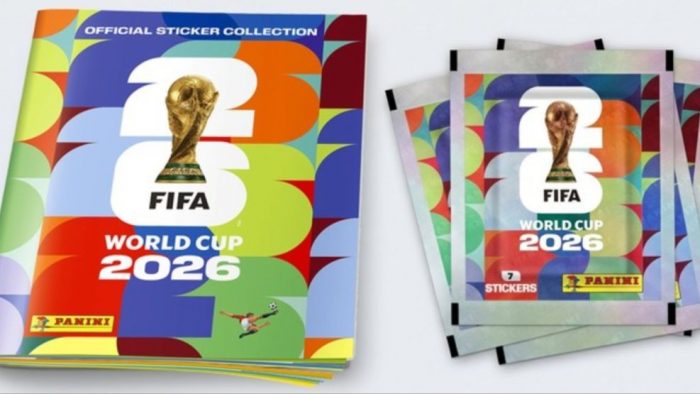
The 2026 FIFA World Cup album in Chile has sparked a nationwide frenzy, with collectors grappling with the financial and logistical challenges of completing the collection. As of May 31, 2026, the official pricing for the album and its accompanying stickers has been finalized, while community-driven “cambiatón” events—massive sticker-exchange gatherings—are transforming public spaces into hubs of football culture. The cost to complete the album, however, remains a contentious issue, with estimates ranging from $440,000 for individual purchases to strategic pack deals.
The Cost of Completing the 2026 World Cup Album in Chile
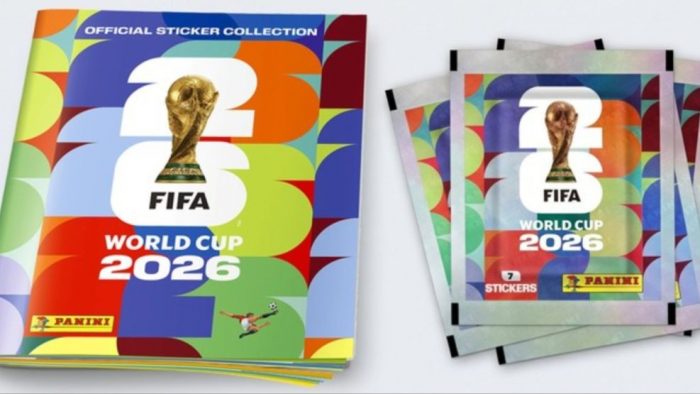
The official album, distributed by Panini, offers multiple formats to cater to collectors. The softcover album with 50 stickers costs $58,900, while the hardcover versions (Color, Silver, or Gold) with 50 stickers are priced at $69,500. For those seeking a minimalist approach, the softcover album alone can be purchased for as low as $3,900. However, the true financial burden lies in acquiring the 400 stickers required to complete the set, as calculated by Panini’s mathematical models. Buying individual stickers at $1,100 each would cost $440,000, while purchasing 50-sticker packs for $55,000 each reduces the total to the same $440,000 but with the added benefit of official promotional materials included in the first batch of packs.

These figures have prompted calls for strategic purchasing. “If you buy only single stickers, you’ll spend nearly $440,000 just on the cards,” a spokesperson for Panini Chile warned. “But buying packs of 50 can save you money, provided you avoid overpaying at unofficial resellers.” The official recommendation is to purchase the 50-sticker packs at $55,000, which averages to $1,100 per sticker but eliminates the risk of inflated prices from third-party sellers.
Community-Driven “Cambiatón” Events Take Center Stage
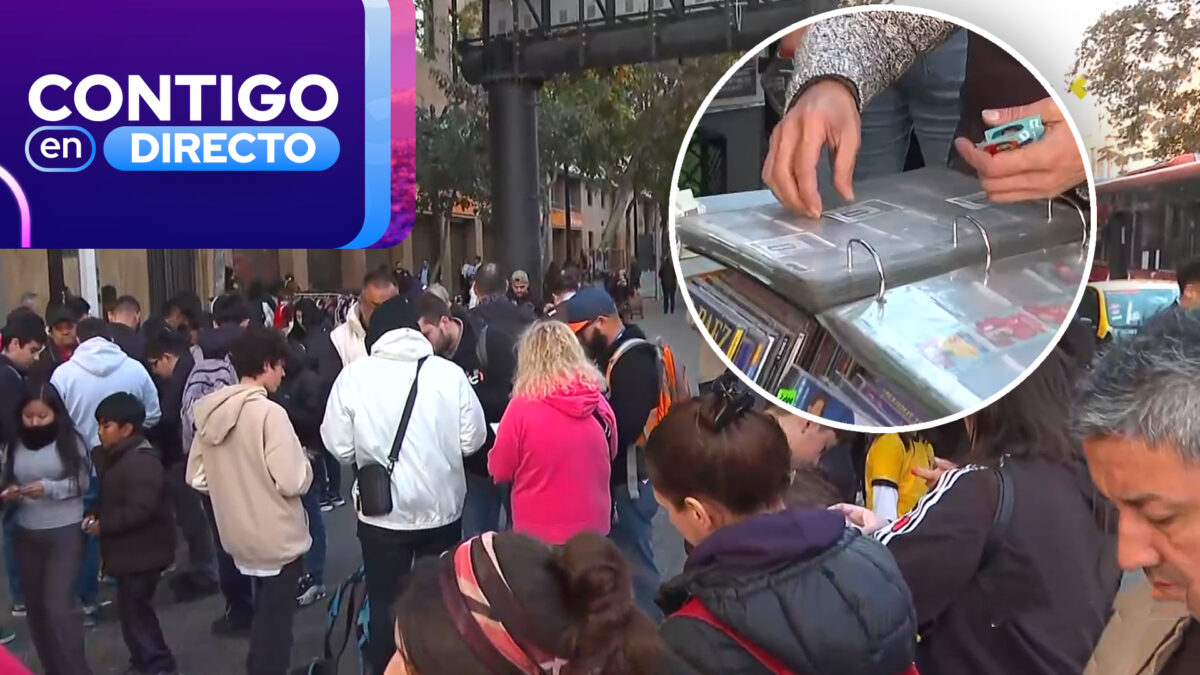
To mitigate the financial strain, municipalities across Chile have organized large-scale “cambiatón” (sticker-exchange) events, turning public spaces into collaborative gathering points. The most ambitious of these is the event at La Florida’s Bicentenario Stadium, where over 1,000 people are expected to converge on May 31, 2026, from 10:00 AM to 2:00 PM. “We want families to come safely, children to exchange stickers protected, in a spacious, ordered environment designed specifically for them,” said La Florida Mayor Daniel Reyes. The event will feature food trucks, influencer appearances, and activities for children, aiming to create a “unique and attractive” experience for football fans.
For more on this story, see 2026 World Cup kits: Argentina’s artistry vs. U.S. over-the-top designs.
Similar events are being held in other regions. In Pirque, a “cambiatón” will take place on May 30, 2026, from 9:00 AM to 1:00 PM at the municipal front, while Concepción’s Parque Ecuador will host a sticker exchange on the same day from 10:30 AM to 2:00 PM. These gatherings are not only practical but also cultural, fostering intergenerational connections. “If you’re missing a difficult sticker or have repeats, this is your chance to share and complete your album together,” the Pirque municipal office urged, highlighting the communal spirit of the initiative.
The Social and Economic Impact of the 2026 World Cup Album
The phenomenon has transcended mere collectibles, becoming a social movement. “The World Cup fever is alive in Pirque,” declared the municipal office, emphasizing the event’s role in strengthening community ties. The Bicentenario Stadium’s decision to open its doors for the exchange underscores the cultural significance of the album, transforming a sports-related activity into a civic event. “Not everyone can afford to buy 400 stickers, but through these exchanges, we can make the experience accessible to all,” said Reyes, who also extended a challenge to Huechuraba’s mayor to join the initiative.
This follows our earlier report, No verified source confirms winner of 2026 World Cup-claim lacks evidence.
The economic implications are equally notable. With the album’s popularity, unofficial resellers have emerged, but authorities have urged caution. “Avoid counterfeit stickers or low-quality copies,” a Panini Chile representative advised, emphasizing the importance of purchasing through official channels like the Panini Points, Falabella, and Mercado Libre. The official store and authorized retailers are the only guaranteed sources for authentic materials.
“Queremos que las familias puedan venir tranquilas, que los niños puedan intercambiar sus láminas protegidos, en un espacio amplio, ordenado y pensado especialmente para ellos.”
As the 2026 World Cup approaches, the album has become a symbol of both financial commitment and community engagement. While the cost of completion remains daunting, the rise of “cambiatón” events suggests a collective effort to make the experience inclusive. Whether through strategic purchases or shared exchanges, Chileans are proving that the true value of the album lies not just in its stickers, but in the connections it fosters.