
The world’s 100 largest oil and gas companies banked more than $30 million every hour in unearned profit during the first month of the US-Israeli war in Iran. This surge in wealth follows a price spike in March that pushed crude oil to an average of $100 (£74) per barrel, resulting in $23 billion in combined windfall war profits for that month alone. Analysis from Rystad Energy and Global Witness suggests these firms could rake in an additional $234 billion by the end of 2026 if prices maintain that $100 average.
State-owned giants and supermajors lead the profit surge
Saudi Aramco dominates the list of winners. The majority state-owned firm is poised to make $25.5 billion in war-related profits this year, adding to a historical baseline of $250 million in daily profits recorded between 2016, and 2023. Kuwait Petroleum Corp. Follows with an expected $12.1 billion gain.
Russian firms are also capitalizing on the volatility. Gazprom, Rosneft, and Lukoil are projected to earn nearly $24 billion in Iran-related windfall profits by year-end. This influx of cash strengthens the Russian state’s financial reserves; oil export revenues hit $840 million a day in March, a 50% increase over February levels.
Western supermajors aren’t lagging. ExxonMobil is expected to book $11 billion in unearned war profits, while Shell could see a $6.8 billion boost and Chevron an additional $9.2 billion. These figures contrast with the companies’ long-term roles as opponents of climate action.
Higher energy costs are draining public budgets
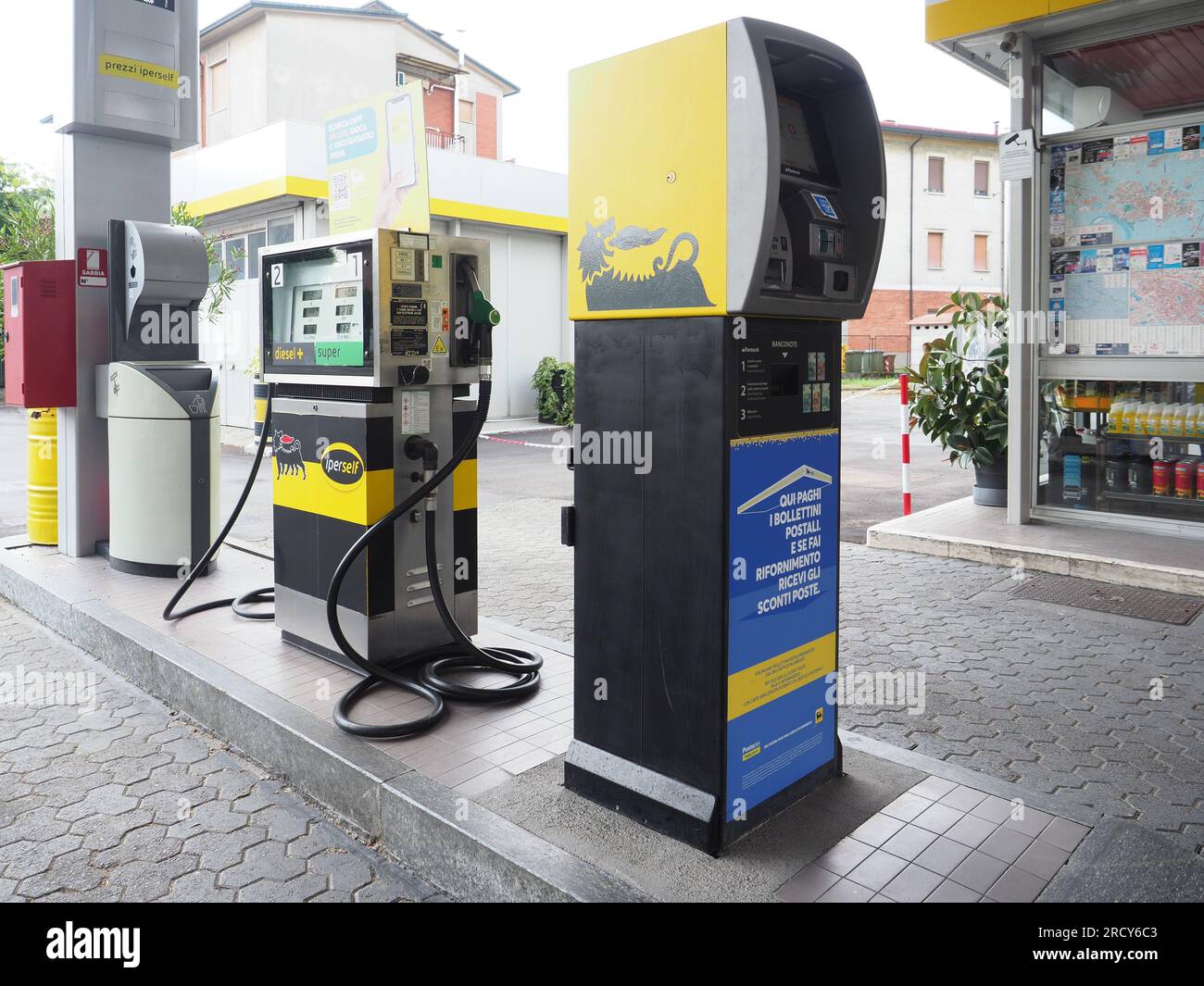
These corporate gains translate directly into higher costs for households and businesses. Ordinary people pay more to heat homes and fuel vehicles, while companies face surging energy bills. The EU’s fossil fuel bill has climbed by $23.7 billion (€22 billion) since the conflict began.
Governments are struggling to shield their citizens. Dozens of nations, including Italy, Brazil, Australia, South Africa, and Zambia, have slashed fuel taxes to provide relief. This strategy creates a secondary crisis: these countries are now raising less money for essential public services.
This pattern mirrors the aftermath of Russia’s 2022 invasion of Ukraine, when five of the largest fossil fuel giants reportedly earned $134 billion in excess profits within a single year.
EU finance ministers are pushing for windfall taxes
Pressure is mounting for the European Commission to implement taxes on these war profits. In a letter dated April 4, finance ministers from Austria, Germany, Italy, Portugal, and Spain requested a mechanism to ensure those profiting from war ease the burden on the general public.
The ministers argue that such taxes could fund temporary consumer relief and curb inflation without further straining public budgets. Environmental groups like Greenpeace are echoing this demand, arguing that these funds should be redirected toward war-torn communities and the transition to renewable energy.
Operational disruptions are offsetting some paper gains
High prices don’t always equal immediate bottom-line growth. ExxonMobil warned that its first-quarter 2026 profits might drop compared to the previous quarter. The company is grappling with massive non-cash accounting charges and a 6% dip in global oil-equivalent production.
Physical disruptions have hit hard. Two LNG trains in Qatar suffered significant damage that may take years to repair. Exxon expects a one-time impairment charge between $600 million and $800 million due to shipment disruptions. Negative timing effects on derivatives and shipping are expected to hit downstream earnings by as much as $5.3 billion, though the company expects these to unwind into profit in later quarters.
How were these “windfall” profits calculated?
Analysts calculated these profits by comparing the free cash flow generated when oil prices were around $70 per barrel before the war to the cash flow generated after prices rose to an average of $100 per barrel.
Which countries are cutting fuel taxes to help consumers?
Australia, South Africa, Italy, Brazil, and Zambia are among the nations that have reduced fuel taxes to support struggling consumers, resulting in lower revenue for their public services.

Why is ExxonMobil reporting potential profit drops despite high oil prices?
Exxon is facing a 6% drop in global production, damage to LNG trains in Qatar, and negative timing effects related to shipping and derivatives that could cost between $3.3 billion and $5.3 billion in downstream earnings.