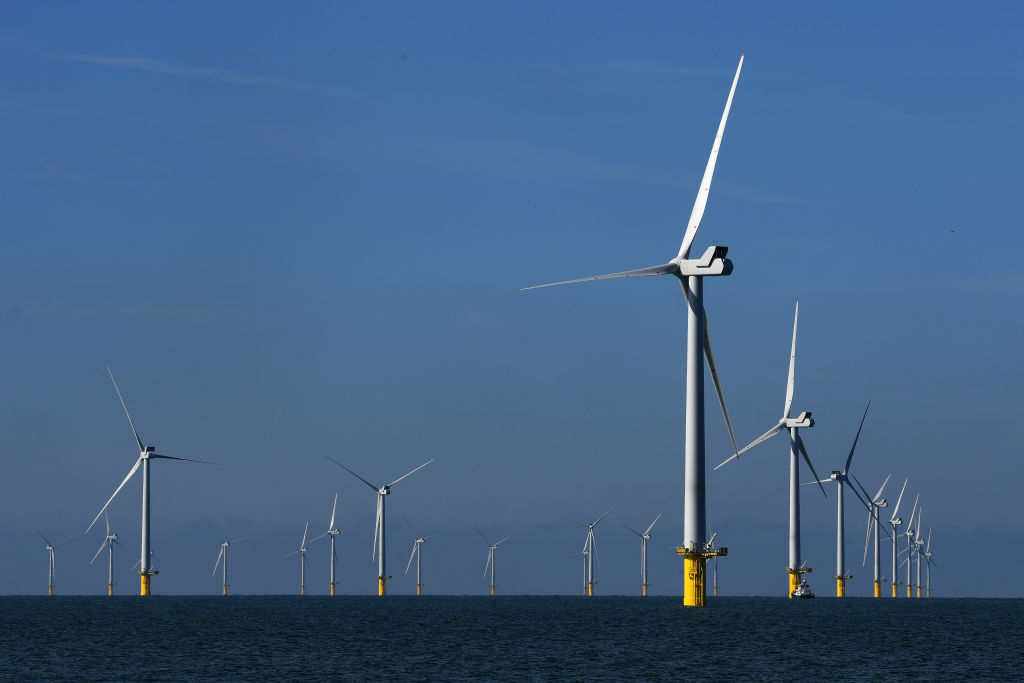
Electricity generators in Great Britain will face a higher windfall tax on excess profits unless they agree to long-term fixed-price contracts, under new government plans aimed at shielding households from volatile gas prices linked to the conflict in the Middle East.
The Treasury will raise the existing tax on electricity generators’ excess profits from 45% to 55% when gas prices spike, with the revenue intended to support households during energy crises. The move targets owners of “legacy” renewable energy projects — such as older wind and solar farms — that receive subsidies on top of market prices and stand to gain disproportionately when gas markets surge. These generators will continue to face the higher tax rate until they sign up to contracts that guarantee a set price for electricity, part of the government’s strategy to “delink” electricity pricing from gas prices.
Officials confirmed the intervention alongside broader efforts to accelerate clean energy deployment and promote electric alternatives to fossil fuels, which they describe as the only path to lasting energy security and lower bills. The government says the measures represent its most radical attempt yet to reduce the impact of soaring wholesale gas prices on UK electricity costs, which are among the highest in any developed economy.
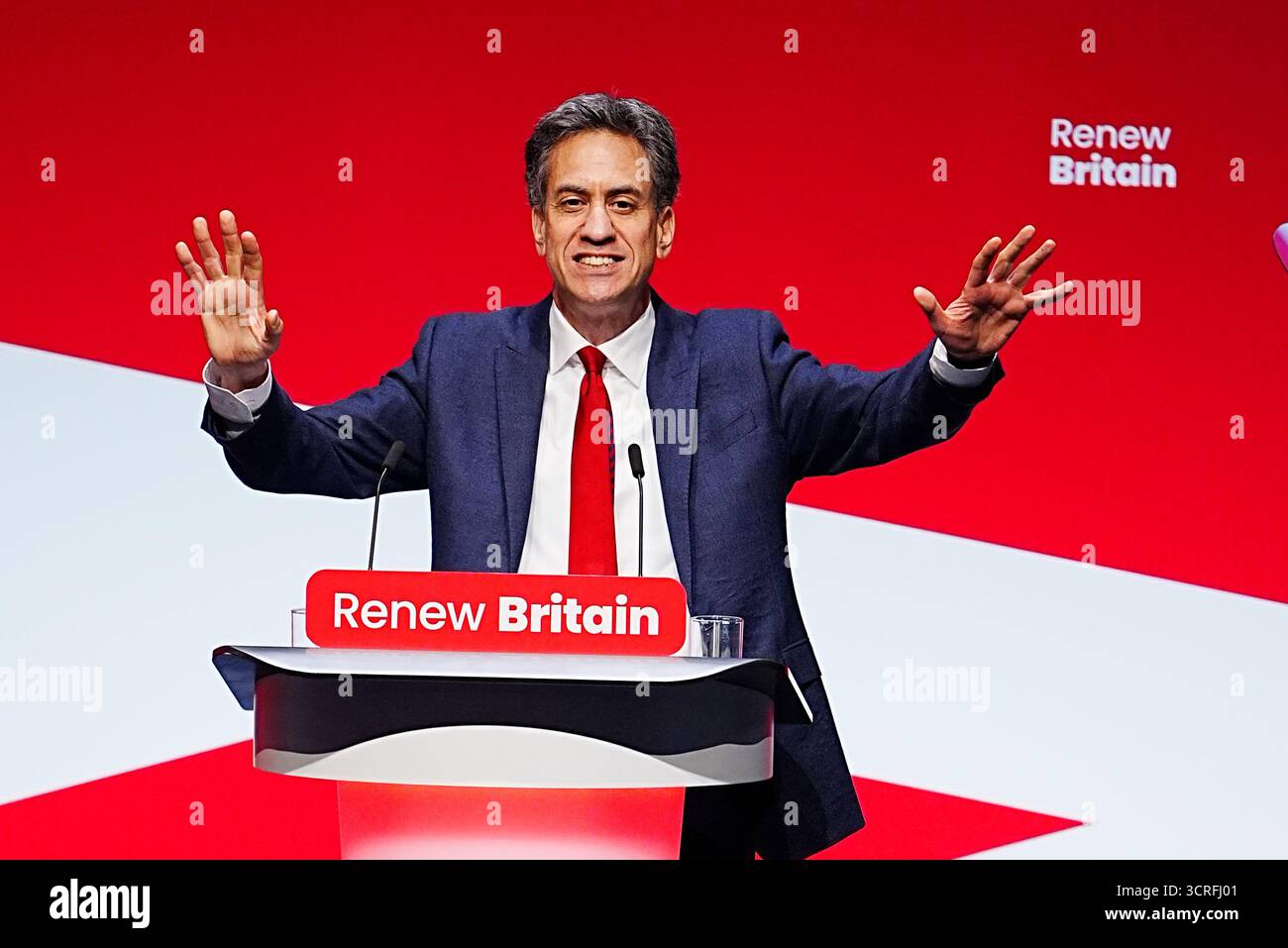
Household energy bills are expected to rise from July as the conflict in the Middle East pushes up global energy costs. The plans were announced before a speech by Energy Secretary Ed Miliband, who is expected to argue that the second fossil fuel shock in less than five years necessitates doubling down on clean power rather than retreating from the transition.
In a statement, Miliband said the era of fossil fuel security is over and that the era of clean energy security must come of age, framing the shift as essential for national energy security and long-term affordability. Chancellor Rachel Reeves emphasized that moving generators onto competitive pricing through contracts for difference, combined with the higher tax, would break the link between high gas prices and high electricity prices, offering stronger protection against future shocks.
The government acknowledges it does not have a firm estimate of how much households will save but says It’s confident the changes will reduce bills over time. It expects the reforms to be finalized through consultation and implemented within about a year. The policy builds on a windfall tax introduced in 2023 that already applies to certain generators with older renewable contracts, which previously allowed them to earn large profits during gas price spikes.
Officials hope the threat of the higher tax will incentivize these generators to voluntarily switch to fixed-price contracts, which would not be subject to the levy. By doing so, they would lock in revenue without contributing to the tax pool designed to buffer consumers from market volatility.
As part of a broader clean energy push, Miliband has also announced plans to amend planning laws to make it easier for people without driveways to charge electric vehicles and to allow more businesses to install solar panels. These measures are intended to accelerate the adoption of clean electric technologies beyond the power sector.
Critics have voiced concerns about the cumulative impact of such policies on household costs. Shadow Energy Secretary Claire Coutinho accused the government of “piling on cost after cost” to electricity bills, arguing that affordability must come first if the public is to embrace greater electricity leverage. She contended that making electricity cheap is essential to encouraging its adoption.
Liberal Democrat energy spokesperson Pippa Heylings welcomed the goal of breaking the link between electricity and gas prices but urged faster action, stating that if Britain generates more cheap renewable electricity, households should already be seeing the benefit in lower bills. Green Party representative Carla Denyer said she was relieved by the direction of policy but criticized the pace, noting that nearly two years had passed since the election during which preventive action could have been taken.
Plaid Cymru’s energy spokesperson Llinos Medi echoed the concern that as long as electricity prices remain tied to volatile gas markets, households and businesses will continue to bear the cost, calling for the government to travel further in insulating prices from global shocks. Reform UK and the SNP were contacted for comment, though no responses were included in the reporting. Northern Ireland operates under a separate energy market and is not directly affected by these changes.
How will the higher tax affect renewable energy operators?
Owners of older wind and solar farms that receive subsidies on top of market prices will pay the 55% tax on excess profits during gas price spikes unless they agree to fixed-price contracts, which would exempt them from the levy.
When might households see lower bills from these changes?
The government says the reforms could be in place in about a year’s time but does not have a firm estimate of savings, though it is confident the changes will reduce costs over time.
What is the government’s broader goal in delinking electricity from gas prices?
The aim is to protect households from global energy market volatility by ensuring that electricity prices reflect the lower cost of domestic renewable generation rather than expensive imported gas.