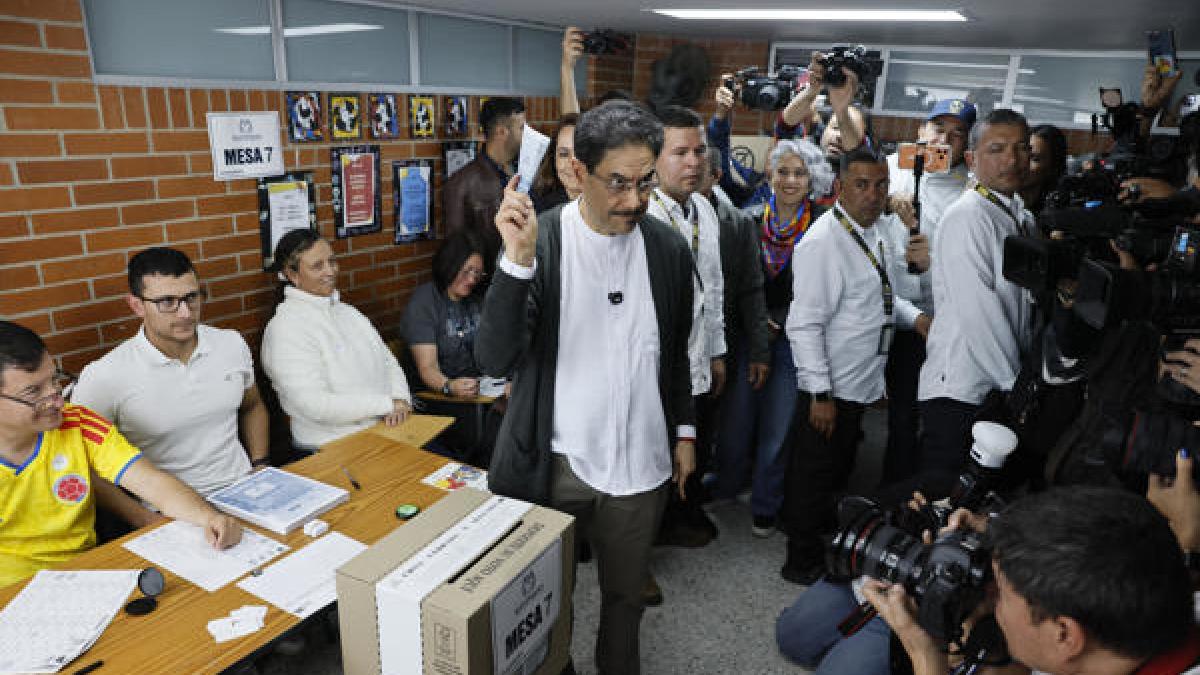
Colombia’s 2026 presidential election is being decided today as voters choose between three front-runners—leftist Iván Cepeda, conservative Paloma Valencia, and centrist Abelardo de la Espriella—amid record security concerns and a campaign that has framed the vote as a referendum on the country’s future direction.
Three Candidates, One Question: Will Colombia Turn Left or Right?
Colombia’s election today is less about selecting a president than choosing between two competing visions for the nation’s future. With 41 million voters casting ballots, the race hinges on whether leftist incumbent Gustavo Petro’s progressive agenda will continue—or if the conservative opposition, led by Paloma Valencia of the Centro Democrático, will reclaim power. The stakes couldn’t be higher: security, economic policy, and Colombia’s international alliances hang in the balance. According to Primicias, the election features 11 candidates, but only three—Cepeda, Valencia, and De la Espriella—are positioned to determine the outcome. If no candidate secures a majority, a runoff will decide the presidency by August 7, 2026, when the new term begins. The campaign has been marked by stark contrasts. While Cepeda, Petro’s handpicked successor, has framed his candidacy as a continuation of the leftist government’s social reforms, Valencia has positioned herself as the defender of Colombia’s constitutional principles, warning against what she calls “the path of improvisation and resignation.” In a pre-election message, Valencia declared: *“Hoy Colombia tiene dos caminos frente a sí: uno es el camino de la improvisación, del espectáculo permanente y de la resignación frente al deterioro de la seguridad, y el otro, el camino del trabajo serio, de las decisiones difíciles, de la experiencia para recuperar el mundo.”*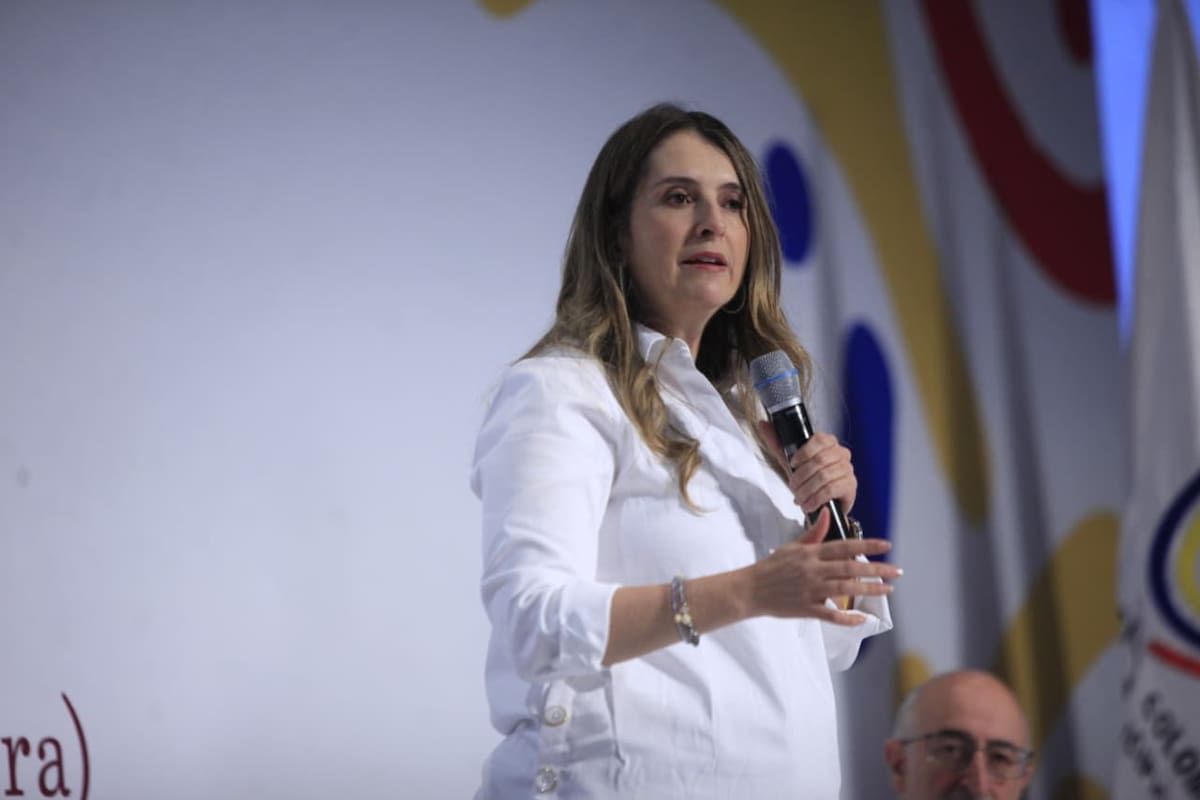
“Today, Colombia has two paths before it: one is the path of improvisation, of permanent spectacle, and resignation in the face of deteriorating security. The other is the path of serious work, difficult decisions, and experience to recover what we’ve lost.”
Valencia’s rhetoric reflects a broader conservative strategy to paint the leftist government as weak on security—a critical issue in a country where 80 municipalities remain under maximum alert due to threats from armed groups. According to Colombia’s Defensoría del Pueblo, nearly 276 municipalities face heightened risks, though election officials have reported no major disruptions so far. The security apparatus deployed for today’s vote is unprecedented: nearly 1 million election observers, rigorous audits of voting systems, and a military presence aimed at preventing violence in rural areas.Security Crisis: 80 Municipalities Under Maximum Alert
The election is unfolding against a backdrop of escalating violence. Defense officials have warned that armed groups—including dissident factions of the FARC and other criminal organizations—have intensified threats in key regions. Iris Marín, Colombia’s Defensoría del Pueblo, confirmed earlier this week that *“Hay varios municipios del país, 80 en un nivel máximo de alerta. En total, con los dos primeros niveles máximos de riesgo, tenemos alrededor de 276 municipios.”* Despite these warnings, the vote has proceeded without major incidents, though authorities remain on high alert.
For more on this story, see Maluma mobilizes 10M followers to boost Colombia’s voter turnout before May 31 election.
“There are several municipalities in the country, 80 at maximum alert. In total, with the two highest risk levels, we have around 276 municipalities under threat.”
The security situation has dominated the campaign, with Valencia and De la Espriella both emphasizing law-and-order platforms. De la Espriella, a self-made businessman, has proposed a “shock plan” to combat armed groups, while Valencia has framed her candidacy as a return to “serious governance.” Their campaigns have leveraged digital platforms to reach undecided voters, with both candidates engaging in high-profile streams with influencers like Mr. Stiven and Westcol—who drew record audiences of over 250,000 viewers for De la Espriella’s appearance.Digital Campaigning: Influencers Shape the Debate
Social media has played a pivotal role in this election, with candidates bypassing traditional media to connect directly with voters. Paloma Valencia’s stream with Mr. Stiven and Yefferson Cossio attracted nearly 61,000 concurrent viewers, while De la Espriella’s appearance with Westcol drew 258,700—nearly double the audience. These digital engagements have allowed candidates to bypass mainstream media scrutiny and tailor messages to younger, undecided voters. According to El Espectador, these interactions have become a battleground for influence, with candidates using humor, policy pitches, and even personal attacks to sway opinions.What’s at Stake: Security, Economy, and Colombia’s Future
Beyond the security concerns, the election hinges on three key issues: economic policy, social reforms, and Colombia’s international relationships. Cepeda, the leftist candidate, has promised to expand Petro’s social programs, including healthcare and education reforms. Valencia, meanwhile, has vowed to reverse what she calls “the deterioration of Colombia’s institutions,” emphasizing fiscal responsibility and a crackdown on corruption. De la Espriella’s platform blends free-market principles with tough-on-crime policies, positioning him as a centrist alternative to both extremes.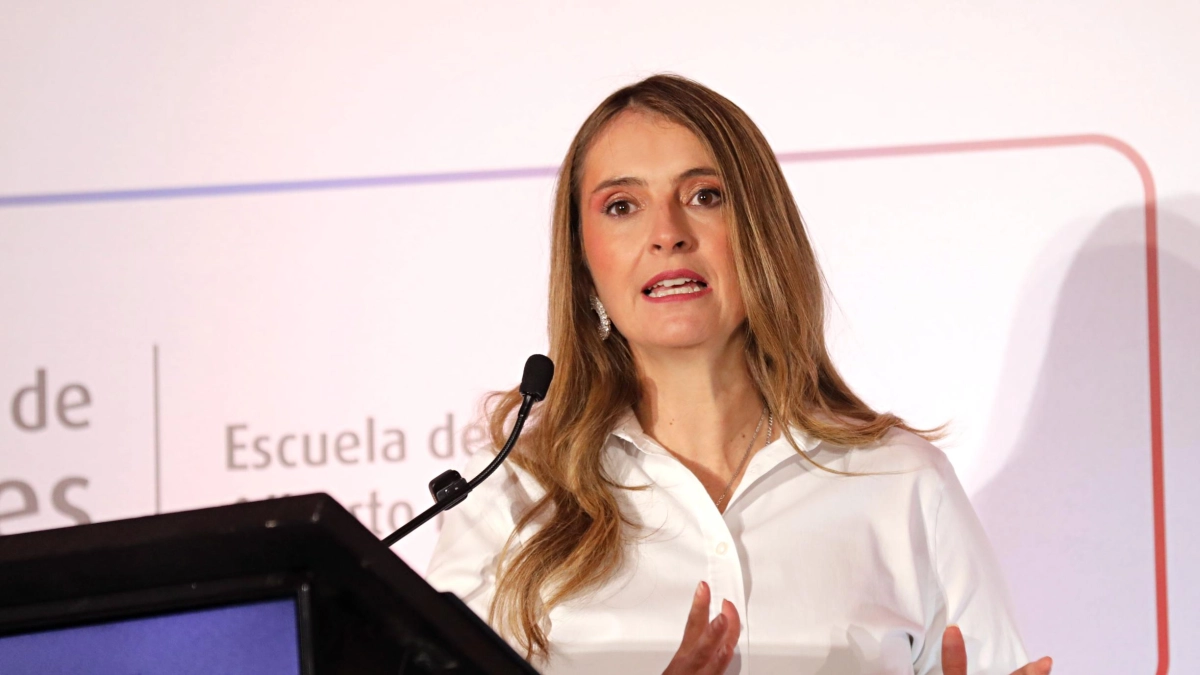
The Road Ahead: What Happens Next?
If no candidate secures a majority today, Colombia will head to a runoff on August 7, 2026. The most likely scenarios are a Cepeda-Valencia matchup or a Valencia-De la Espriella contest, depending on how independent voters align. Early projections suggest Cepeda could win in the first round, but Valencia’s strong showing in conservative strongholds could force a runoff. De la Espriella’s performance will be critical—his ability to attract centrist voters could determine whether the election remains a two-way race or becomes a three-way battle. Regardless of the outcome, Colombia’s political landscape will shift dramatically. A Cepeda victory would extend Petro’s progressive experiment, while a Valencia win would mark a conservative resurgence. The election is not just about who becomes president—it’s about which path Colombia chooses for the next four years.“Esta es una elección sobre el rumbo del país. No es solo escoger a un presidente, sino un camino.”
As results begin to trickle in, one thing is clear: Colombia’s future will be decided by the voters today. Whether the country chooses continuity or change, the election will define the nation’s trajectory for years to come.