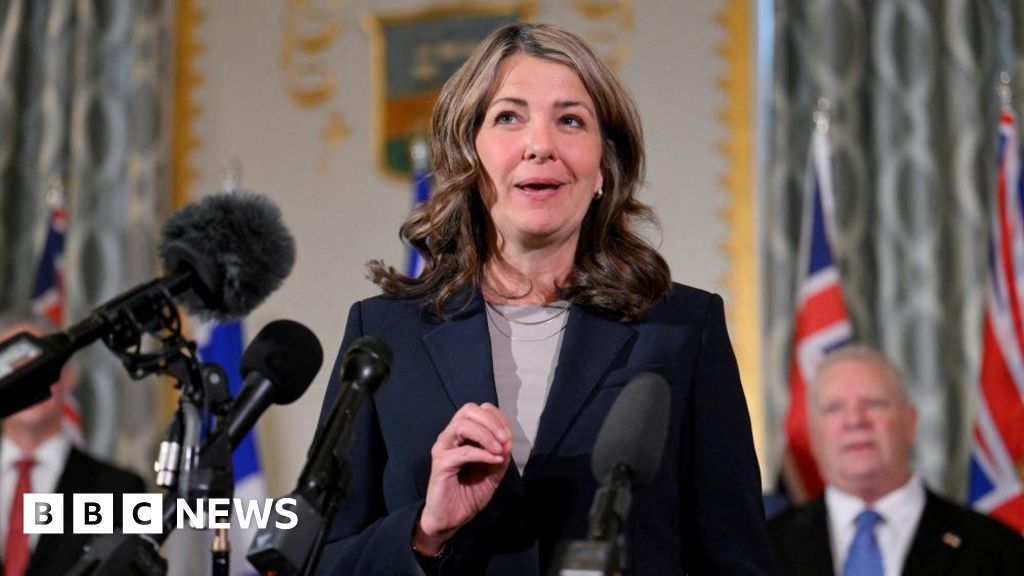
Alberta Premier Danielle Smith confirmed on Thursday that the province will include a question on whether to hold a binding referendum on separation from Canada in its October 2026 provincial election. The move follows the submission of over 300,000 signatures by separatist group Stay Free Alberta, surpassing the 178,000 required to trigger the process [CBC]. The question, as outlined by Smith, will ask voters: “Should Alberta remain a province of Canada or should the Government of Alberta commence the legal process required under the Canadian Constitution to hold a binding provincial referendum on whether or not Alberta should separate from Canada?”
The Petition and Legal Hurdles
Stay Free Alberta’s petition, which gathered more than 300,000 signatures, has faced immediate legal challenges. A court ruling by Justice Shaina Leonard of the Court of King’s Bench of Alberta halted the process, citing concerns over treaty rights of First Nations communities. Kevin Hille, lawyer for the Athabasca Chipewyan First Nation, argued that an independent Alberta would “impact their treaty rights and way of life,” referencing agreements forged over a century ago [BBC]. The group plans to appeal the decision, though the timeline remains uncertain.
The petition’s verification process is on hold until the court’s ruling is resolved. Mitch Sylvestre, head of Stay Free Alberta, called the submission “historic,” comparing the effort to “the Stanley Cup final” in a rally outside Edmonton’s Elections Alberta office [AP]. Over 300 supporters waved provincial flags and chanted “Alberta strong” during the event.
Premier Smith’s Position and Political Context
While Smith has not endorsed separation, she pledged to respect the democratic process if the petition succeeds. “To be clear from the outset, our government will not be putting a vote on separation from Canada on the referendum ballot,” she stated earlier this year [Time]. However, the October vote will allow Albertans to initiate the legal process for a binding referendum, a step critics argue is constitutionally ambiguous.

Smith framed the debate as a response to federal policies she claims have harmed Alberta’s economy. “The tide has turned since Mark Carney succeeded Justin Trudeau as Canada’s prime minister,” she said, citing improved energy sector negotiations under the new federal government [CBC]. Separatists, however, argue that federal interference in resource development has long stifled Alberta’s growth, with the Alberta Prosperity Project claiming sovereignty would “ensure economic prosperity, political empowerment, and cultural preservation” [Time].
Legal and Constitutional Challenges
Legal experts remain skeptical of the referendum’s viability. Daniel Béland, a political science professor at McGill University, noted that “support for independence in Alberta is rather low,” with less than 30% of residents backing separation [AP]. He also highlighted the risk of Indigenous groups using the courts to block the process, citing treaty rights as a potential barrier.
The Alberta government has also criticized the petition’s logistics. Smith called the court’s decision a “legal mistake by a single judge” and accused the judiciary of “muzzling the voices of hundreds of thousands of Albertans” [CBC]. Meanwhile, legal counsel for Stay Free Alberta, Jeff Rath, expressed frustration with the delay, stating, “Kicking the can down the road only prolongs a very emotional and important debate.”
What’s Next?
The outcome of the court challenge will determine whether the October vote proceeds. If approved, the referendum would mark the first time Albertans could formally initiate the process of seceding from Canada—a move that would require federal negotiations and face significant constitutional hurdles. For now, the focus remains on the legal battle, with both sides preparing for a protracted fight over Alberta’s future.
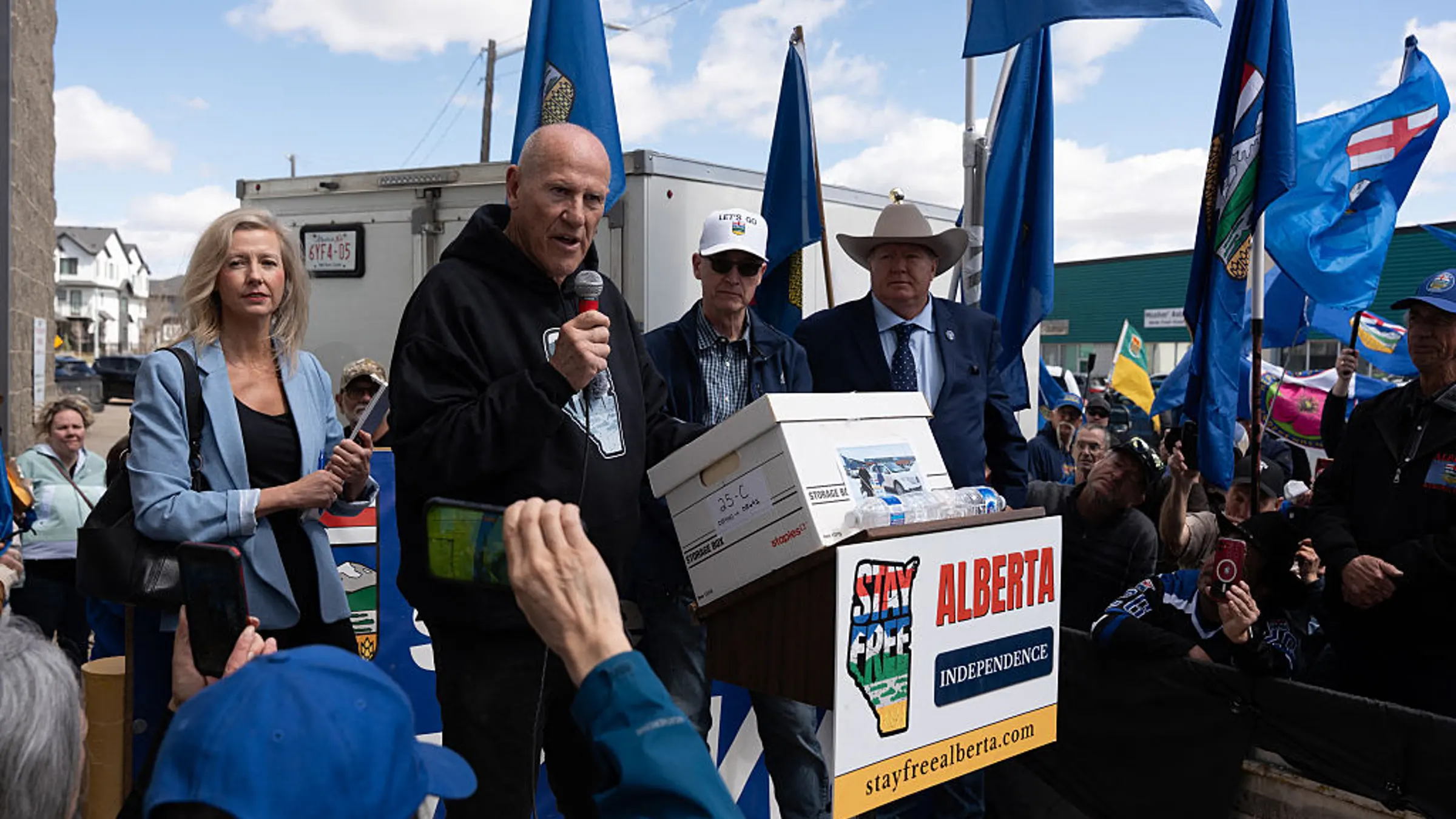
As Smith urged Albertans to “vote for Alberta to remain in Canada,” separatists continue to frame the referendum as a necessary step to reclaim control over the province’s resources and identity. Whether the vote will translate into a viable path to independence remains unclear, but the debate has already reshaped Alberta’s political landscape [BBC].