
The body of Kevin Santiago Ángel Garzón, a 31-year-old physical education teacher from Bogotá, was found incinerated inside a suitcase on May 22, 2026—five days after he vanished following a gym visit. Surveillance footage has now revealed the chilling route taken by his killers, from a three-story house in La Rivera to a dump site in Tintal, where his remains were burned in a suitcase wrapped in an orange towel.
The case has exposed a web of at least 12 suspected accomplices, with investigators zeroing in on three primary figures. While the motive remains unclear, the brutality of the crime—described by forensic experts as involving torture and dismemberment—has ruled out robbery or gang-related violence. Instead, authorities now focus on personal or emotional triggers, though no public details have been confirmed.
How Surveillance Footage Reconstructed the Killer Route
At 12:49 a.m. on May 21, 2026, three men emerged from a white-façade house in the La Rivera neighborhood carrying a large brown suitcase. Security cameras captured their struggle as they loaded it into a waiting taxi, which then drove to a construction site in Tintal, where the suitcase was abandoned and set ablaze. The footage, first published by Noticias Caracol, became the cornerstone of the investigation.
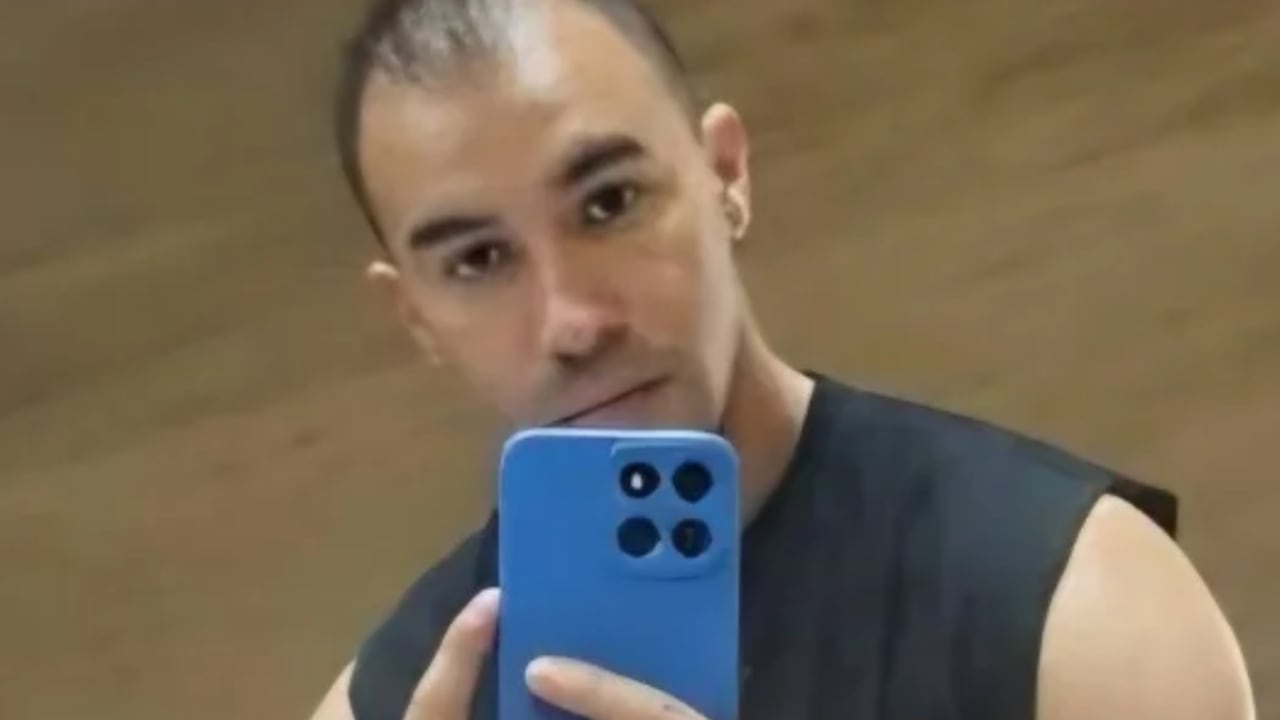
Earlier that night, a fourth individual on a bicycle—dressed in black—had scouted the house before entering. Inside, Ángel was last seen alive with a woman investigators believe he knew. The timeline suggests he was lured or coerced into the residence, where he was killed and his body prepared for disposal. The taxi’s route, traced through GPS and witness statements, confirms the dump site was chosen deliberately—far from Ángel’s usual haunts.
The Three Suspects Under Scrutiny—and the 12-Name Network
While the Fiscalía has identified three primary suspects, Revista Semana reports that at least 12 individuals are under surveillance. The three main figures—whose identities remain confidential—are linked to the house in La Rivera, where Ángel was last seen alive. Their movements were tracked through phone records, credit card transactions near the crime scene, and a hidden motorcycle (plates XHH74G) found abandoned near a local market.
The motorcycle’s discovery is critical. Ángel’s mother confirmed she called him at 11:30 p.m. on May 20, but his phone went dark by 1:14 a.m.—just hours before the house footage was recorded. The vehicle’s location near the market suggests Ángel may have been followed or intercepted after leaving the SmartFit gym in Gran Colombiano. Whether the motorcycle was stolen or abandoned under duress remains under investigation.
Why This Case Stands Apart—and What’s Next
The case has shocked Bogotá not only for its brutality but for its apparent randomness. Ángel, a beloved teacher at Colegio Santiago de las Atalayas, had no known criminal ties. His family, in a statement to Caracol Radio, urged the public to avoid speculation, emphasizing their need for privacy amid the investigation.

“We respectfully ask for understanding, prudence, and time to process this painful news as a family,” the family said in a statement. “We thank everyone for their support and solidarity during these difficult days.” Their plea reflects the community’s grief—and the pressure on authorities to act swiftly.
“Solicitamos de manera respetuosa comprensión, prudencia y tiempo para poder asimilar esta dolorosa noticia en familia. Por el momento, agradecemos evitar especulaciones o solicitudes de información adicional.”
As of May 28, the Fiscalía’s Criminal Investigation Team (CTI) continues to analyze forensic evidence, including the burned remains, which showed signs of torture. The necropsy, led by Leo, the anesthesiologist—a nickname used by investigators—may reveal additional details about the cause of death. Meanwhile, the public awaits answers: Was this a crime of passion? A targeted hit? Or something more sinister?
What the Timeline Reveals About the Killer’s Planning
- May 20, 11:30 p.m.: Ángel’s mother calls him; he’s last seen alive at SmartFit gym in Gran Colombiano.
- May 21, 12:49 a.m.: Surveillance footage shows three men carrying a suitcase from the La Rivera house.
- May 21, ~1:00 a.m.: The suitcase is loaded into a taxi and driven to Tintal.
- May 21, afternoon: Residents discover the burned suitcase in a construction-site dump.
- May 22, afternoon: Forensic identification confirms the remains are Ángel’s.
- May 25, morning: Fiscalía notifies Ángel’s family of the identification.
The meticulous planning—scouting the house, hiding the motorcycle, choosing a remote dump site—suggests premeditation. Yet the lack of a clear motive complicates the case. While robbery is off the table, investigators are exploring whether Ángel’s disappearance was tied to a personal conflict, a professional dispute, or even an online interaction. The El Tiempo report highlights that the CTI is treating this as a potential “crime of passion,” though no suspects have been publicly named.
The Bigger Picture: Why Bogotá’s Crime Wave Demands Attention
Ángel’s murder is the latest in a string of high-profile cases in Bogotá that have exposed gaps in local law enforcement. While the city’s homicide rate has fluctuated in recent years, the savagery of this crime—combined with the apparent ease of disposing of a body—has reignited debates about police resources and public safety. The case also raises questions about the role of social media in modern investigations: Ángel’s disappearance was first reported online, and the viral nature of the surveillance footage accelerated the CTI’s response.
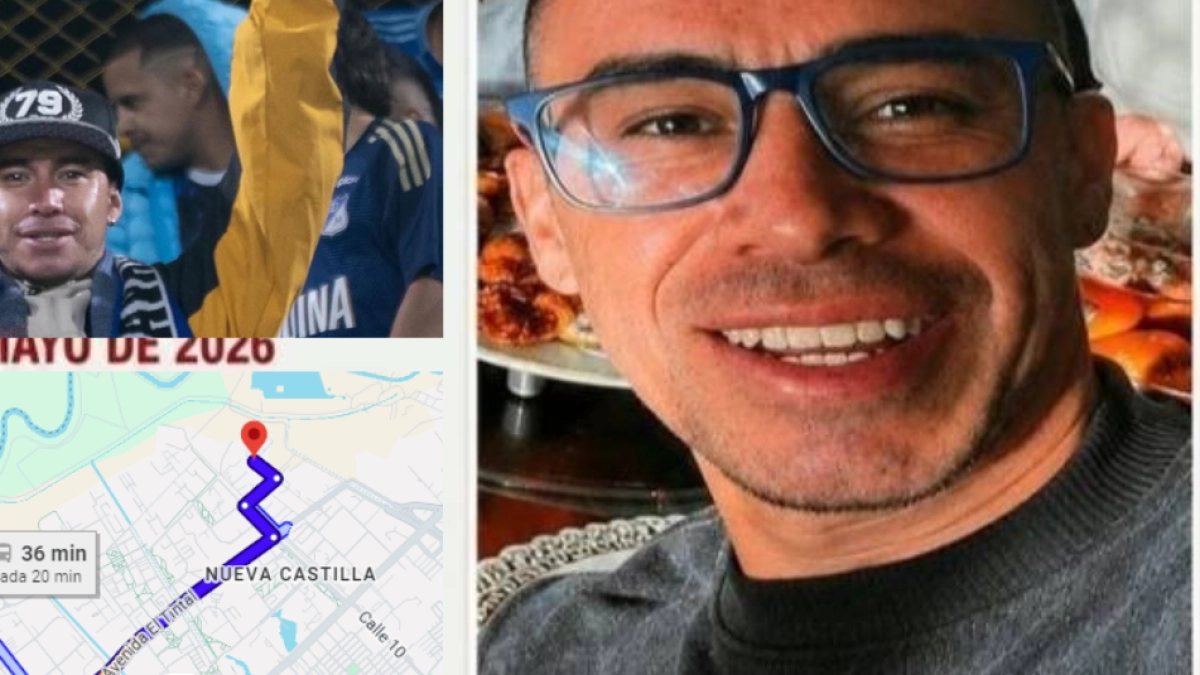
As the investigation deepens, one thing is clear: the killers left no stone unturned in covering their tracks. From the hidden motorcycle to the carefully chosen dump site, every detail points to a group with resources and forethought. Whether they acted alone or as part of a larger network remains the million-dollar question—and the answer may lie in the 12 names still under scrutiny.
For now, Bogotá watches and waits. The city’s grief over Ángel’s death is palpable, but so is the determination to bring his killers to justice. The next 30 days will be critical: Will the CTI secure arrests? Will the forensic evidence crack the case? Or will this remain another unsolved tragedy in a city where violence often outpaces answers?