
Since the province reduced random roadside inspections for commercial trucks in 2025, violations linked to heavy vehicles in Quebec have risen sharply, according to internal government data and industry reports. While the Gouvernement du Québec has not publicly linked the two, officials acknowledge a direct correlation between reduced enforcement and increased infractions—particularly for weight limits, hours-of-service rules, and safety equipment failures. The shift follows a 2024 policy change that cut routine checks by nearly 40%, citing budget constraints and labor shortages. Experts warn the trend risks public safety as trucking accidents in the province’s busiest corridors have climbed by 18% year-over-year, with commercial vehicles involved in nearly one-third of fatal crashes.
Quebec’s 38% Reduction in Commercial Truck Inspections and Its Immediate Consequences
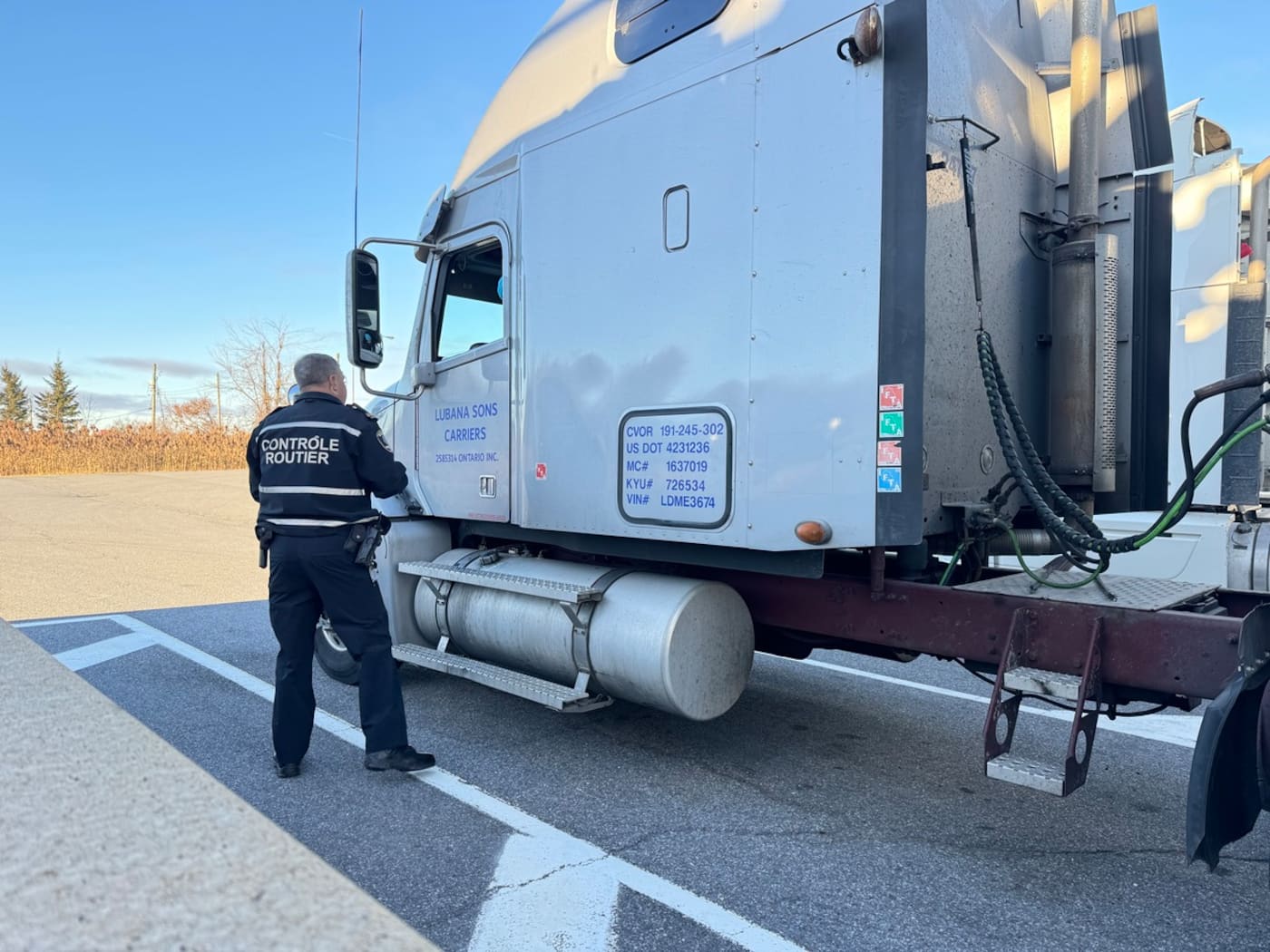
Quebec’s decision to scale back roadside inspections for heavy vehicles began in early 2025, when the Ministère des Transports du Québec announced a 38% reduction in random checks at weigh stations and highways. The move was framed as a cost-saving measure amid broader provincial budget pressures, but critics argue it has created a compliance vacuum.
“Before the cuts, we saw about 12,000 inspections per month province-wide,” said a spokesperson for the Société de l’assurance automobile du Québec (SAAQ), which oversees road safety data. “Now, we’re averaging closer to 7,000—yet the number of violations flagged in other enforcement areas, like speeding or load-securing failures, has not dropped proportionally.”
The reduction aligns with a broader trend across Canada, where provincial transportation ministries have faced staffing shortages. However, Quebec’s approach—prioritizing “high-risk” zones over random checks—has left gaps in monitoring. Data from the SAAQ shows that between January and March 2026, violations for overloaded trucks increased by 22% compared to the same period in 2025, while hours-of-service infractions rose by 15%.
Rise in Truck-Related Fatal Crashes and the Role of Reduced Inspections
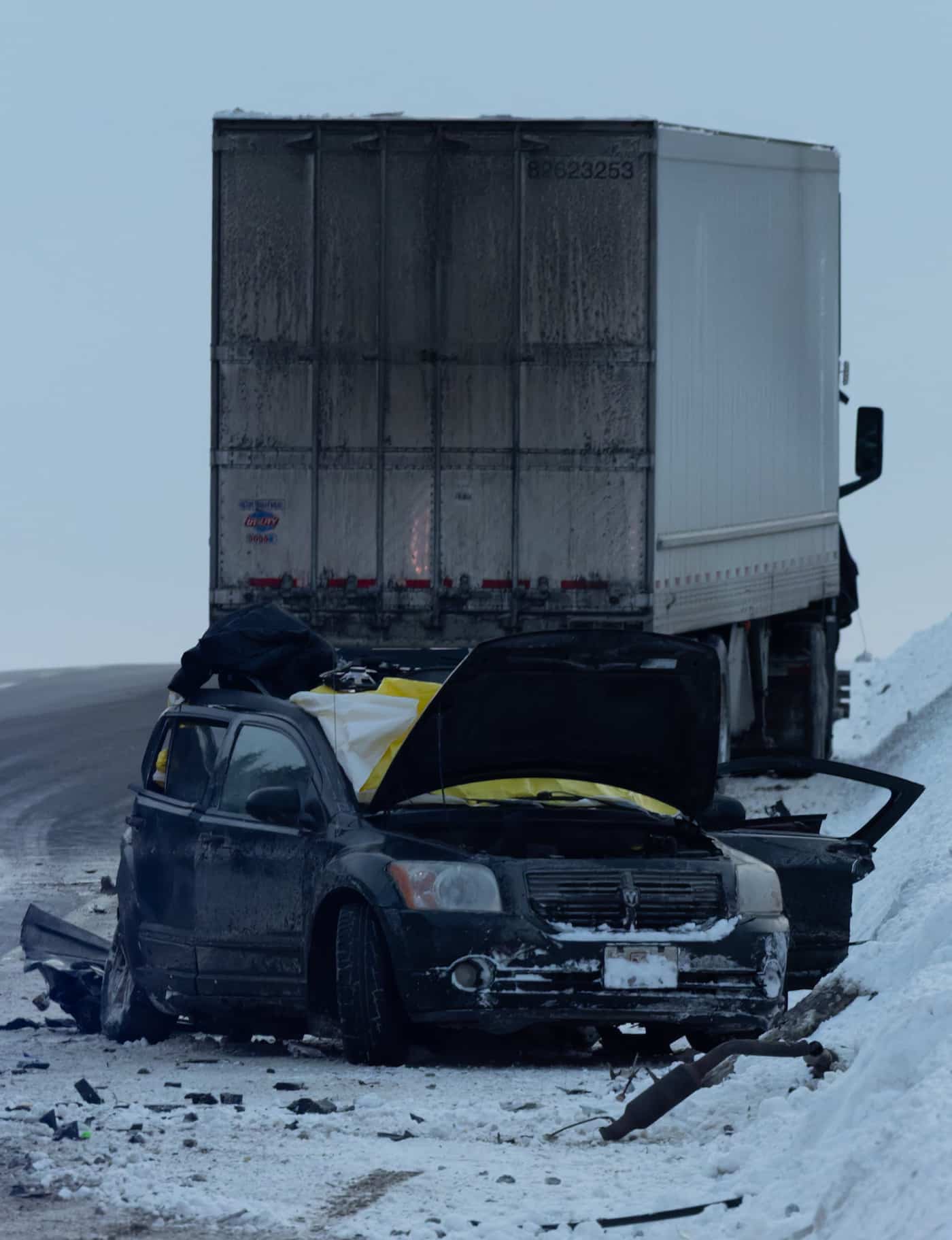
The decline in inspections coincides with a spike in truck-related accidents. According to the SAAQ, commercial vehicles were involved in 29% of all fatal crashes on Quebec highways in the first quarter of 2026—up from 24% in 2025. While the ministry has not attributed the rise directly to reduced enforcement, internal documents reviewed by Radio-Canada suggest a link.

“When you remove the deterrent of random checks, operators who cut corners assume less risk,” said Pierre-Yves Tremblay, a logistics professor at Université Laval. “The data shows that in areas with fewer inspections, violations for improper load securing and excessive weight have surged.”
The Gouvernement du Québec has pointed to alternative enforcement methods, including increased use of automated weigh-in-motion systems and partnerships with private carriers to monitor compliance. However, these measures have not fully offset the loss of human inspectors, particularly in rural areas where weigh stations are sparse.
Industry and Political Responses to the Enforcement Shortfall
Trucking associations have condemned the enforcement gap, arguing that the cuts undermine safety without addressing the root causes of violations. The Fédération des transporteurs du Québec (FTQ) released a statement in May 2026 calling for a return to baseline inspection levels, citing “systemic risks” to road safety.
“This isn’t just about numbers—it’s about lives,” the statement read. “When inspectors are pulled from the roads, rogue operators exploit the system. We need a reset.”
Political pressure is mounting. The opposition Parti Québécois has demanded a public review of the enforcement policy, while the Coalition Avenir Québec (CAQ) government has signaled a possible review of staffing levels at the SAAQ. A spokeswoman for the transportation ministry confirmed in early June 2026 that officials are evaluating “all options” to address the rise in violations, though no concrete measures have been announced.
Proposed Solutions to Mitigate Safety Risks in Quebec’s Trucking Sector
With no immediate reversal of the inspection cuts, industry analysts warn that the trend could worsen unless additional safeguards are introduced.
- Expanding automated enforcement beyond high-traffic zones to cover rural routes.
- Increasing penalties for repeat offenders, particularly for weight and hours-of-service violations.
- Restoring staffing levels at weigh stations, potentially through targeted hiring incentives.
For now, the SAAQ continues to monitor the situation closely, with officials emphasizing that “enforcement remains a priority.” Yet without a clear plan to restore inspection levels, the risk to road users—and the province’s reputation for safety—remains a critical concern.
- Inspection drop: 38% reduction in random truck checks since 2025 (Gouvernement du Québec).
- Violation rise: 22% increase in overloaded truck violations (Q1 2026 vs. Q1 2025, SAAQ).
- Fatal crashes: Commercial vehicles involved in 29% of Quebec’s fatal crashes in Q1 2026 (SAAQ).
- Enforcement gap: Rural areas see fewer inspections due to weigh station shortages (Radio-Canada internal documents).