
At least four people were killed and nine injured in a Ukrainian drone attack on the Russian-annexed Crimean Peninsula on June 4, 2026, according to local authorities. The strike targeted the region’s capital, Simferopol, and coincided with an attack on a train in the eastern Donetsk region, where seven others died. The conflict over Crimea, annexed by Russia in 2014, remains a flashpoint in the broader Ukraine-Russia war, with both sides escalating attacks on infrastructure and civilian targets.
Conflict Escalation: Discrepancies in Casualty Reports
The attack on Crimea’s infrastructure and population centers has led to conflicting casualty figures from Russian-backed officials. The region’s pro-Moscow leader, Sergei Aksyonov, initially reported three deaths and seven injuries in Simferopol before later confirming a fourth fatality linked to a separate train strike. Meanwhile, the Russian-controlled Donetsk region governor, Denis Pushilin, cited seven deaths and 11 injuries after a drone hit a bus traveling between Moscow and Simferopol. These discrepancies highlight the challenges of verifying details in a war zone where information is often contested.
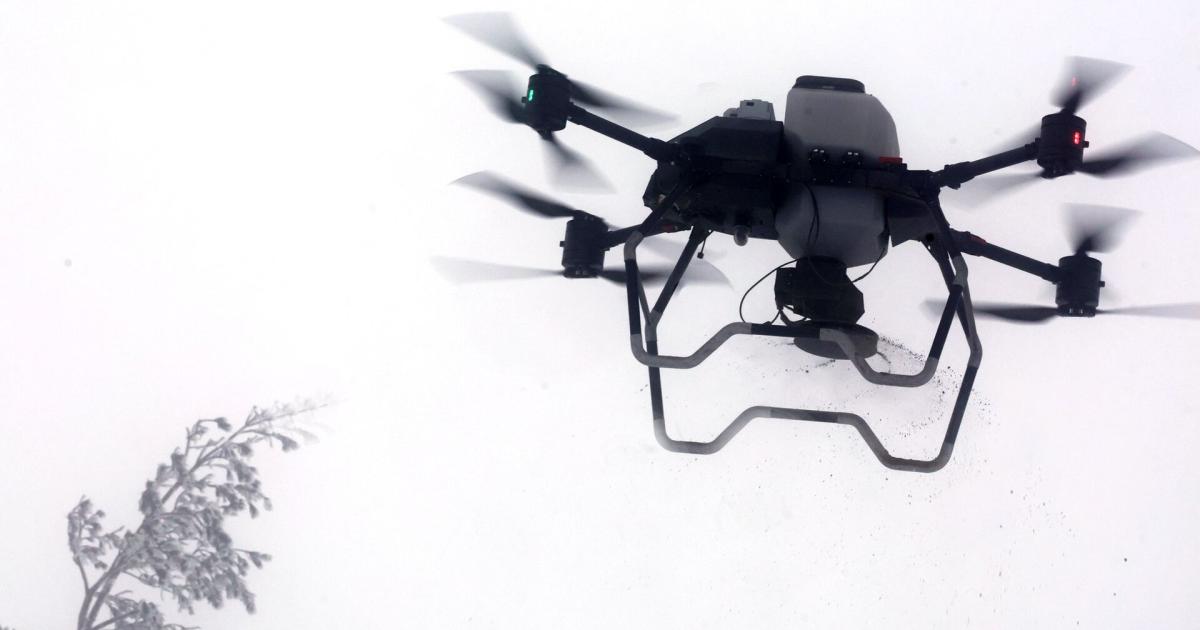
Ukrainian officials have not claimed responsibility for the attacks but have reiterated their strategy of targeting Russian supply lines and military infrastructure. Deputy Prime Minister Oleksiy Kuleba stated in a Telegram post that Ukraine’s forces had launched over 500 drone attacks on Russian logistics in April alone, with ports “practically every other day” under threat. Despite these assaults, Ukrainian seaports have maintained a 35 million-ton cargo throughput so far in 2026, according to reports.
Russian Response: Military and Civilian Targets
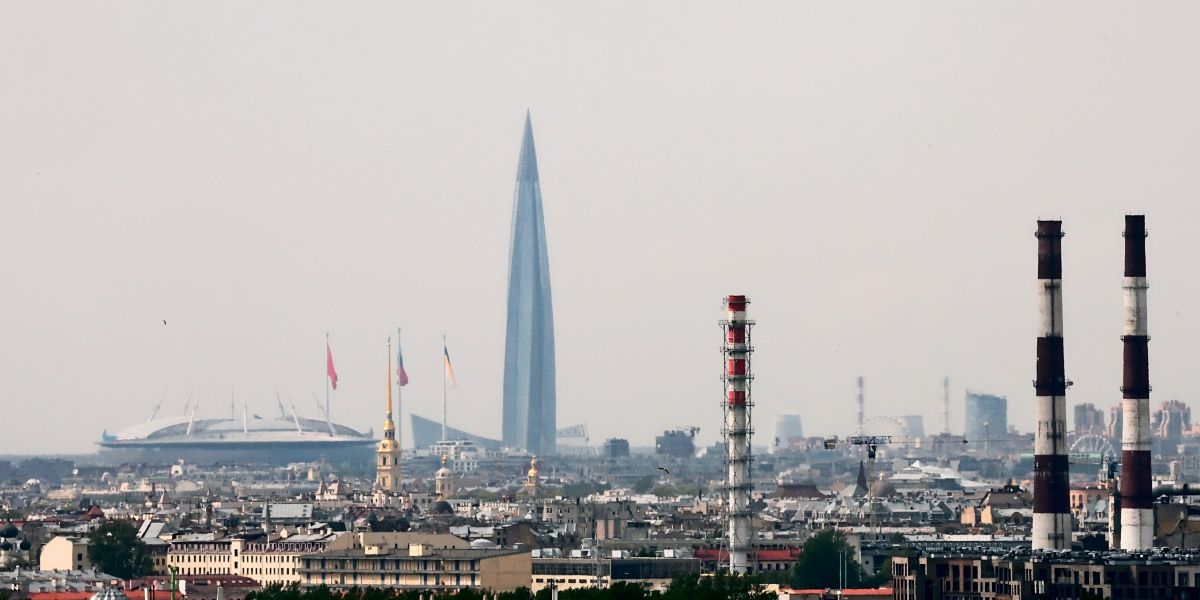
Russia has responded to the attacks with intensified air defense operations. In St. Petersburg, parts of the city’s infrastructure were damaged in separate drone strikes, prompting temporary flight restrictions at Pulkovo Airport. The city’s governor, Alexander Beglov, confirmed the damage, while Moscow’s mayor, Sergei Sobyanin, claimed 13 drones were intercepted near the capital. Earlier in the week, Russian forces reported shooting down three drones over the Leningrad region, underscoring the frequency of such incidents.
For more on this story, see Russia Reports Downing 355 Ukrainian Drones and 205-Prisoner Exchange.
The attacks also intersect with broader geopolitical events. The St. Petersburg Economic Forum, dubbed “Russian Davos,” began on June 4, drawing global business leaders and political figures. The timing of the strikes has raised concerns about the security of high-profile gatherings, though no direct link to the forum was confirmed.
Context: Crimea’s Role in the War
Russia’s annexation of Crimea in 2014 transformed the peninsula into a critical logistical hub for its operations in eastern Ukraine. The region’s ports and railways facilitate the movement of troops and supplies, making it a strategic target for Ukrainian forces. Since the full-scale invasion of Ukraine in 2022, drone attacks on Crimea have increased, with Kyiv aiming to disrupt Russian military capabilities and morale.
The humanitarian impact of these strikes remains severe. Local authorities in Crimea have reported ongoing damage to power grids, water systems, and civilian housing. International observers have criticized both sides for failing to protect non-combatants, with the UN Human Rights Office documenting over 10,000 civilian casualties in Ukraine since 2022.
Implications and Next Steps
The latest attacks underscore the volatile nature of the conflict and the lack of a viable diplomatic solution. As both sides prepare for potential offensives in the coming months, the risk of further escalation remains high. The Ukrainian military has hinted at expanding its drone campaign, while Russia has pledged to strengthen its defenses in Crimea and other occupied territories.
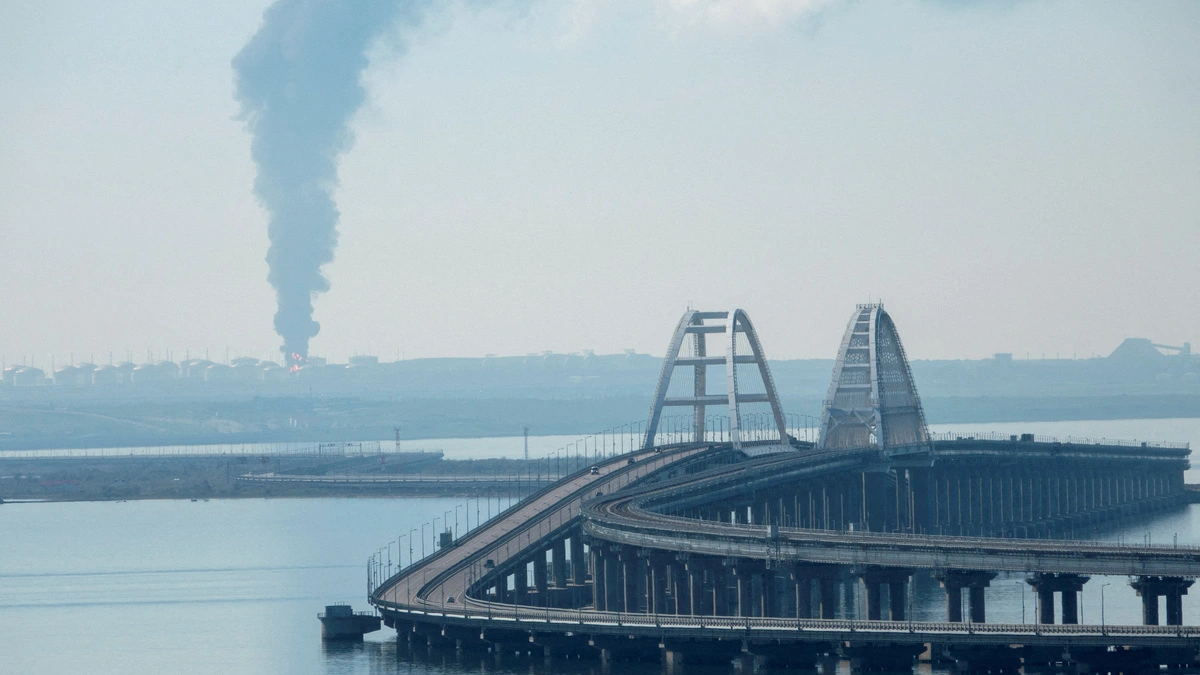
For the international community, the situation in Crimea highlights the limitations of sanctions and diplomatic pressure. With no clear path to de-escalation, the focus is shifting to humanitarian aid and long-term stabilization efforts. Analysts warn that without a breakthrough in negotiations, the conflict will continue to inflict suffering on civilians and destabilize the region for years to come.
As the war enters its fifth year, the attacks on Crimea serve as a grim reminder of the human cost of the conflict. The coming weeks will test the resilience of both Ukrainian and Russian forces, as well as the resolve of the global community to find a lasting resolution.
Source 1 Source 2 Source 3 Source 4 Source The international community will need to continue providing sustained support and pressure to facilitate a negotiated settlement, rather than relying solely on military means to resolve the ongoing conflict.