
Peru’s Minister of Commerce and Tourism, José Reyes Llanos, resigned on June 3, 2026, citing “convicciones profesionales” and “principios institucionales” as the rationale for his departure, just days before he was set to face congressional scrutiny over delays in implementing a trade agreement with Brazil. His resignation has sparked debates about transparency, governance, and the future of Peru’s economic ties with its regional neighbor.
Resignation and Immediate Context
Reyes’ decision to step down came hours after the Peruvian Congress approved a motion to interrogate him regarding the prolonged implementation of the 2016 Economic Complementarity Agreement (ACE 58) with Brazil. The agreement, which had been ratified by Brazil’s Senate in 2017, remains unimplemented in Peru, prompting calls for accountability. In a letter to President José María Balcázar, Reyes emphasized that his departure was “consecuente con su posición técnica” to safeguard the state’s interests, particularly in matters involving “integridad, transparencia y mecanismos anticorrupción.”
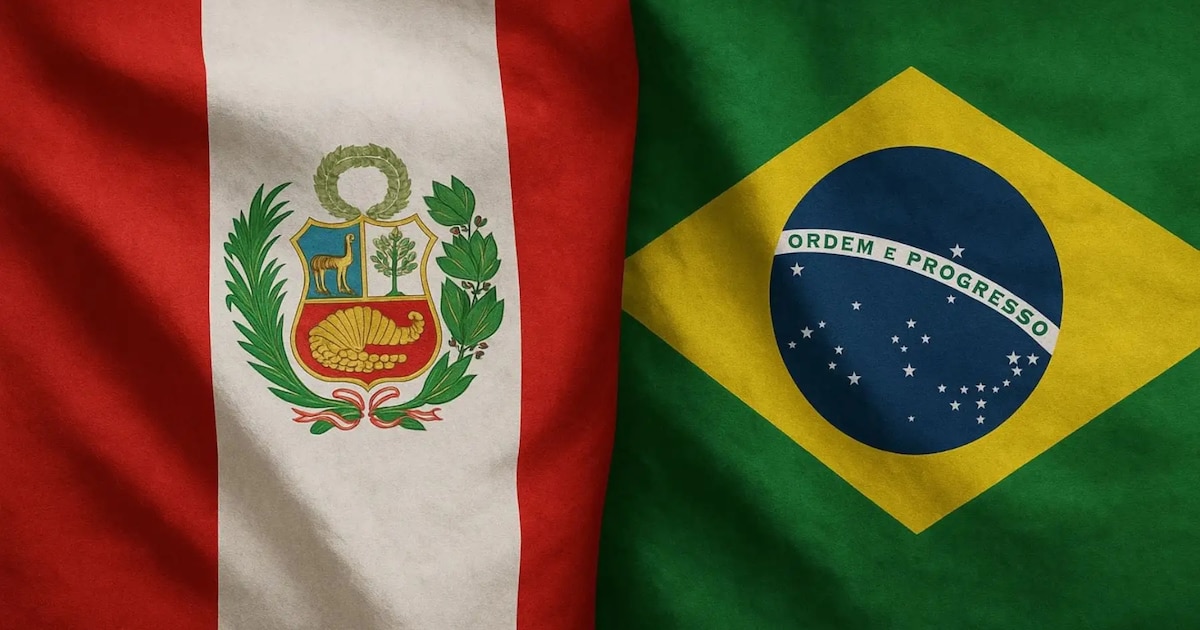
“Considero que la conducción de temas vinculados a acuerdos o entendimientos internacionales exige no solo una evaluación de oportunidad comercial o política inmediata, sino también una ponderación integral de los intereses permanentes del Estado,” Reyes wrote, according to the first source. His resignation, he added, was a “dar un paso al costado” to preserve institutional reputation and public governance standards.
The Brazil Trade Agreement Stalemate
The stalled trade deal, a cornerstone of Peru-Brazil economic relations, has been a flashpoint for years. Signed in 2016, the agreement aimed to deepen commercial ties, including provisions on investments, services, and public procurement. However, Peru’s internal legal and political hurdles have delayed its full implementation. A key sticking point, as noted by RPP, is the lingering impact of Brazil’s Lava Jato corruption scandal, which led Peru to impose additional safeguards on cross-border agreements.

The congressional interrogation, approved with 63 votes in favor, 15 against, and 15 abstentions, sought to clarify why the agreement had not entered into force. Legislators from parties including Somos Perú and Alianza para el Progreso demanded explanations on technical steps and the “paralización del proceso de integración bilateral.” Reyes, who was scheduled to appear on June 4, had previously faced criticism for the delay, with some arguing that the holdup undermined Peru’s economic strategies.
Political and Economic Implications
The resignation has raised questions about the broader implications for Peru’s trade policy. Analysts point to the strategic importance of the Brazil deal, which could boost exports of fruits, textiles, and chemicals while enhancing Peru’s role as a gateway to Asia. A column in El Comercio highlighted that Brazil views Peru as a critical hub for accessing Asian markets, particularly China, through initiatives like the “Nueva Ruta de la Seda” (a $300 billion infrastructure project). The stalled agreement, however, has left these opportunities unrealized.
Meanwhile, the Infobae report noted that Reyes’ departure has fueled speculation about internal government divisions. While he did not explicitly name the deal in his resignation letter, his emphasis on “integridad” and “anticorrupción” has been interpreted as a critique of the administration’s approach. “The document avoids identifying specific actors, but the reference to transparency and anti-corruption mechanisms has led analysts to link the resignation to the stalled trade negotiations,” the report stated.
What Comes Next?
The immediate challenge for Peru’s new minister, José Fernando Reyes Llanos, is to navigate the political and legal complexities of the Brazil agreement. With the Congress poised to demand answers, the government faces pressure to either accelerate the deal or clarify why it remains unresolved. Critics argue that the delay risks weakening Peru’s competitive edge in regional trade, while proponents of caution highlight the need for safeguards against corruption and economic imbalances.
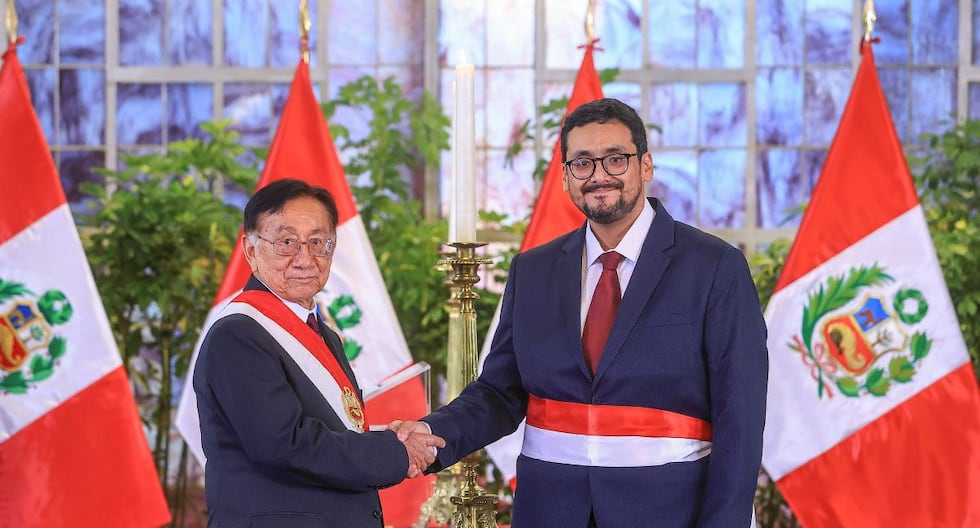
“The resignation underscores the tension between economic ambition and institutional integrity,” said a source from Canal N. “It also raises questions about how Peru will balance its strategic partnerships with its domestic governance priorities in the coming years.”
As the new administration takes the helm, the path forward for the Peru-Brazil trade deal—and its broader implications for the region—remains uncertain. The next 30 days will likely reveal whether the government can reconcile these competing demands or face further political and economic friction.