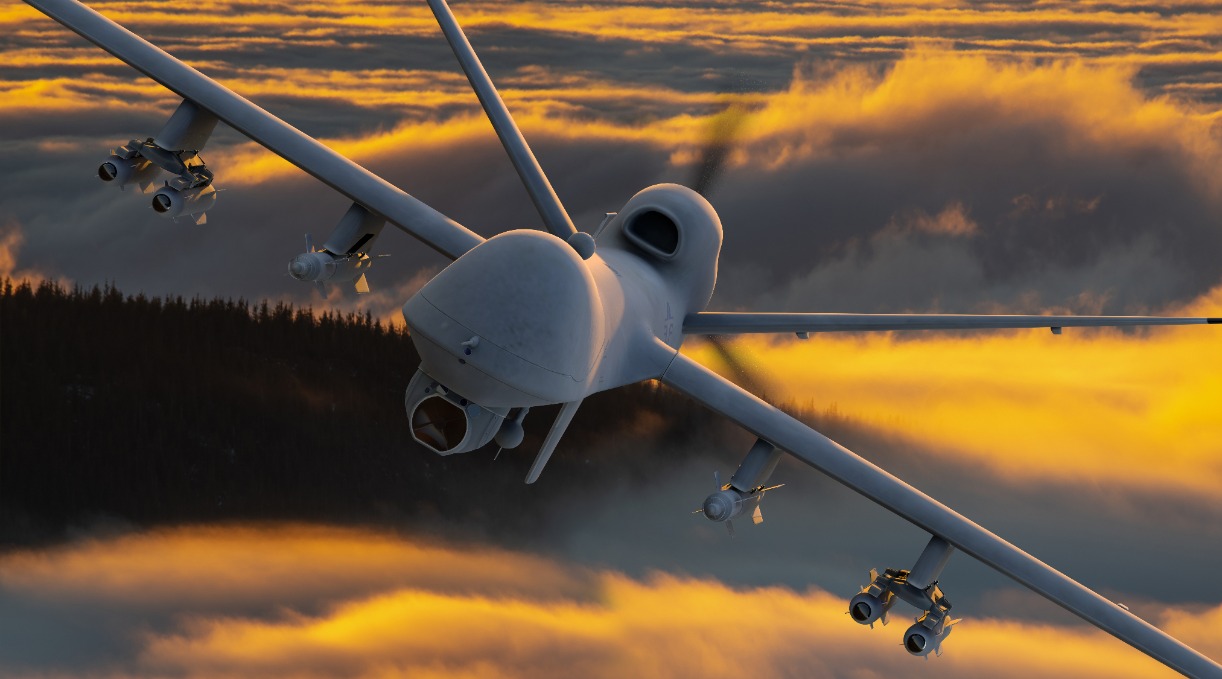
A German startup tested a laser weapon capable of downing drones in a 2026 experiment, marking advancements in counter-drone technology amid global military and commercial developments.
Laser Defense Systems Test Capability to Down Drones in 2026
In a 2026 test conducted at a classified military facility in Lower Saxony, Germany, Inleap Photonics—a Hannover-based startup specializing in directed-energy systems—demonstrated a compact laser weapon prototype capable of disabling drones within seconds. The system, described by CEO Marius Lammers as a “teller-sized glass lens array,” emitted high-energy laser pulses that targeted the drone’s motor housing, causing immediate mechanical failure and a controlled crash. The experiment, overseen by Lammers alongside the company’s chief engineer, Dr. Anna Weber, took place at a restricted site to prevent unauthorized observation, as reported by Die Zeit. The test utilized a modified DJI Mavic 3-class drone as the target, with onboard cameras capturing the moment of impact, which occurred within 1.8 seconds of laser activation.
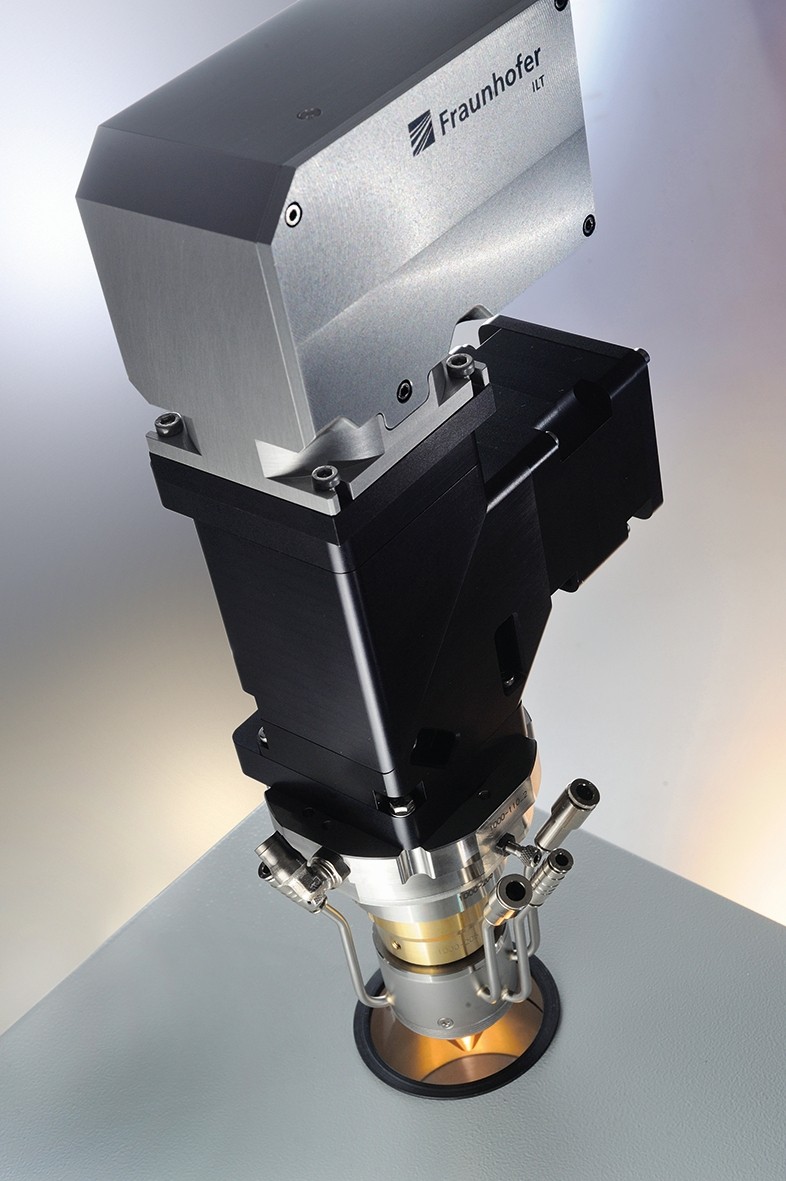
This development aligns with broader European efforts to counter the proliferation of unmanned aerial systems (UAS). In October 2025, the Frankfurter Allgemeine Zeitung (FAZ) detailed a separate European laser defense program, where researchers at the Fraunhofer Institute for Laser Technology (ILT) in Aachen tested an infrared laser system designed to induce thermal stress in drone motors. Unlike Inleap’s approach, which focuses on mechanical disruption, the Fraunhofer system relies on precise energy deposition to cause catastrophic motor failure. The FAZ reported that the ILT team, led by Dr. Markus Roth, achieved consistent drone takedowns at distances up to 500 meters under controlled conditions, though operational deployment remains pending further testing.
Inleap Photonics’ system distinguishes itself through its portability and energy efficiency. According to internal company documentation reviewed by Die Zeit, the prototype operates at a peak power output of 50 kilowatts, drawing from a battery system that enables sustained operation for approximately 30 minutes before requiring recharging. The company has not disclosed pricing for commercial or military applications, but industry sources suggest the system could be priced between €200,000 and €500,000 per unit, depending on customization requirements. Lammers emphasized that the technology is designed to be “scalable for both static and mobile deployments,” including integration with existing radar and AI-based drone detection systems.
Global Innovations in Drone-Downing Technology
Russia’s advancements in counter-drone technology have paralleled European and U.S. developments. In April 2026, the Russian Ministry of Defense unveiled the LazerBuzz system, a directed-energy weapon specifically engineered to neutralize first-person view (FPV) drones—a category increasingly used in both civilian and military operations. According to a statement from the ministry, the system employs a high-repetition-rate laser to disrupt drone electronics and propulsion systems. While official documentation does not specify the exact wavelength or power output, independent military analysts suggest the LazerBuzz system operates in the mid-infrared spectrum, similar to systems tested by the U.S. Army’s Space and Missile Defense Command. The Russian system’s effectiveness against larger drones or coordinated swarms remains unverified, as the ministry has not released detailed performance metrics.
Complementary to laser-based solutions, kinetic countermeasures have also seen recent innovations. In April 2026, researchers at the Karlsruhe Institute of Technology (KIT) successfully tested a novel drone-disabling method involving a 70-gram steel chain fired from a portable launcher. The system, developed by the KIT’s Institute for Applied Physics under the direction of Professor Jens Fibich, works by entangling the chain around a drone’s rotors, causing rapid deceleration and a forced landing. The method, dubbed the “medieval trick” by the research team, was tested against a variety of consumer and hobbyist drones, including models from DJI and Parrot. Telepolis reported that the system achieved a 92% success rate in controlled tests, with the chain effectively disabling drones at distances up to 100 meters. The KIT team estimates the device could be manufactured for under €5,000 per unit, making it a cost-effective alternative to high-energy laser systems.
Despite these advancements, significant challenges persist. Laser-based systems require substantial power sources and are susceptible to atmospheric conditions such as fog or rain, which can scatter laser beams and reduce effectiveness. The U.S. Department of Defense’s 2026 Directed Energy Annual Report acknowledges these limitations, noting that “no single counter-UAS technology can address the full spectrum of threats, particularly in dynamic or contested environments.” Kinetic methods, while effective in controlled settings, pose risks of collateral damage and may struggle to neutralize drones operating at higher altitudes or speeds. Additionally, the rapid evolution of drone technology—including the use of AI-driven evasion tactics—has outpaced defensive innovations in some cases.
Regulatory and Ethical Considerations
The deployment of laser and kinetic counter-drone systems raises complex legal and ethical questions. The International Committee of the Red Cross (ICRC) has issued guidelines cautioning against the use of incendiary or high-energy weapons in populated areas, where unintended harm to civilians or infrastructure could occur. In Germany, the Federal Office for Information Security (BSI) has called for mandatory certification of commercial counter-drone systems to prevent misuse, particularly in light of recent incidents involving unauthorized drone surveillance and interference with critical infrastructure. The BSI’s 2026 security briefing highlights the need for “clear operational protocols” to mitigate risks associated with both laser and kinetic countermeasures.
For businesses integrating these technologies, regulatory hurdles remain significant. While the U.S. Internal Revenue Service (IRS) requires an Employer Identification Number (EIN) for entities applying for federal tax IDs—a prerequisite for commercial operations—the development and deployment of counter-drone systems are subject to additional oversight. The IRS’s 2026 guidelines for small businesses emphasize that EIN registration does not automatically grant approval for defense-related technology exports, which are governed by the International Traffic in Arms Regulations (ITAR) and the Export Administration Regulations (EAR). Inleap Photonics, for instance, has confirmed that its laser system is classified under ITAR, requiring strict compliance with export controls.
The European Union’s 2025 Drone Regulation further complicates the landscape by mandating safety protocols for commercial UAS operations, indirectly driving demand for defensive technologies. The regulation establishes tiered certification requirements based on drone weight and operational altitude, with higher-tier drones requiring advanced countermeasures to ensure public safety. Analysts suggest that this regulatory framework will accelerate the adoption of hybrid counter-drone systems, combining laser, kinetic, and AI-based detection methods to address the diverse threats posed by modern drones.
What Comes Next?
As of May 2026, the field of counter-drone technology remains in a phase of rapid experimentation and refinement. Inleap Photonics plans to conduct additional field tests later in the year, with a focus on improving the laser system’s portability and reducing its energy consumption. The company has also initiated discussions with European defense contractors regarding potential military applications, though no formal contracts have been signed. Meanwhile, the U.S. military continues to evaluate directed-energy platforms, including the Army’s High Energy Laser with Integrated Optical-dazzler and Surveillance (HELIOS) system, which is scheduled for expanded testing in 2027.
Hybrid systems that integrate lasers, AI-driven threat detection, and kinetic countermeasures are increasingly viewed as the most promising path forward. For example, the U.S. Defense Advanced Research Projects Agency (DARPA) is funding research into “smart” counter-drone networks that use machine learning to predict and intercept drone swarms in real time. Similarly, European researchers are exploring the use of low-power lasers for drone “blinding” in combination with high-energy pulses for takedowns, a dual-mode approach that could enhance flexibility in different operational scenarios.
The 2026 tests by Inleap Photonics and other developers underscore the urgent need for standardized international regulations to govern the use of these technologies. Without clear guidelines, the risk of unintended consequences—such as escalation in conflict zones or civilian casualties—could outweigh the benefits. As Marius Lammers noted in a recent interview, “The technology is advancing faster than the policy frameworks can keep up. We need a global dialogue to ensure these tools are used responsibly.” The balance between innovation and safety will ultimately determine the trajectory of counter-drone technology in the years ahead.