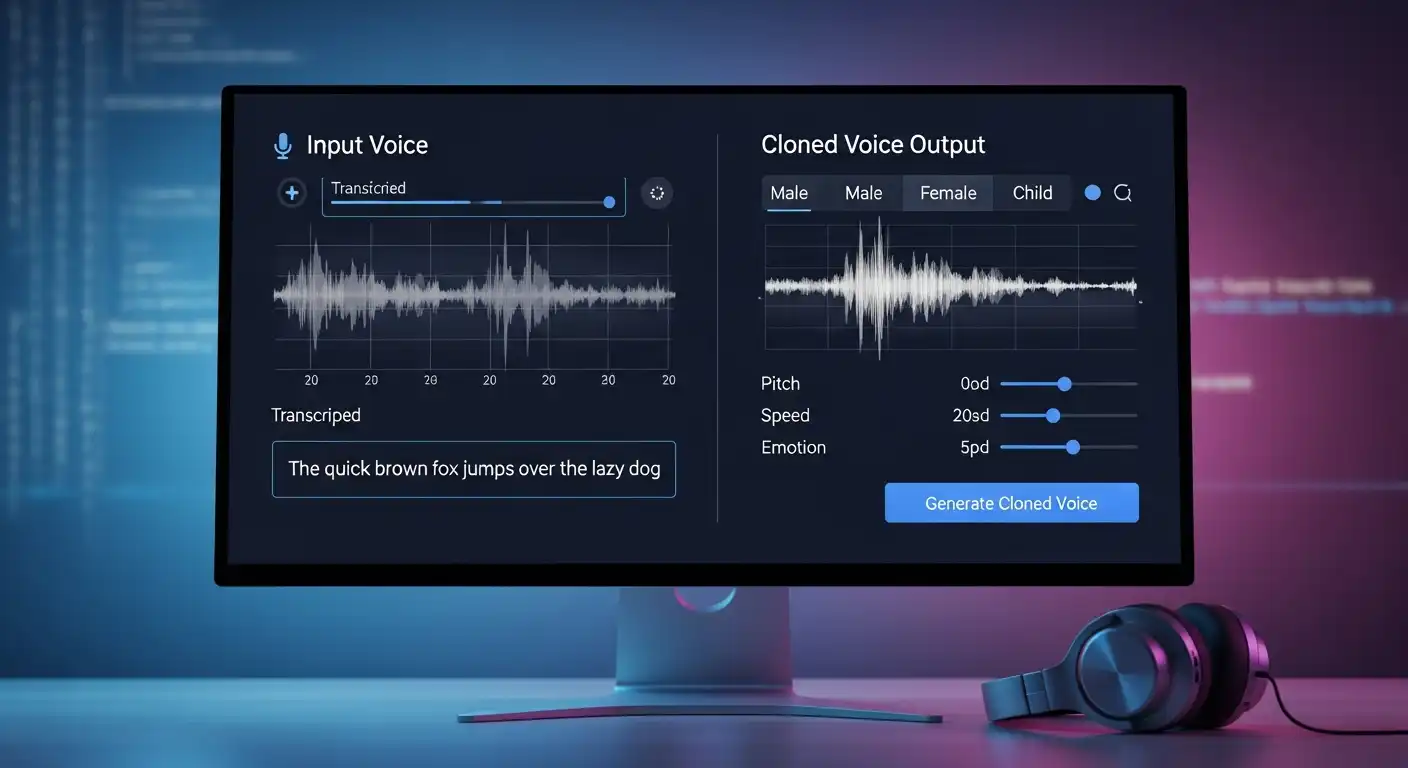
OpenAI has not acquired a company specializing in AI voice-cloning tools as of May 2026, but the firm is aggressively expanding its audio AI capabilities through internal development and partnerships, including a planned 2026 release of a new voice model and hardware devices.
OpenAI’s Audio AI Push: No Acquisitions, But a Hardware-First Strategy
Contrary to recent speculation, OpenAI has not publicly announced an acquisition of a voice-cloning company in 2026. Instead, the firm is doubling down on internal development to close the gap between its text-based AI models—like ChatGPT—and its audio capabilities. Sources confirm that OpenAI is preparing to launch a new audio language model in the first quarter of 2026, followed by standalone voice-first hardware devices, including smart glasses and screenless speakers, as early as late 2026 or 2027.

The shift reflects a broader industry trend toward voice-centric interfaces, with competitors like Google, Meta, and Amazon also prioritizing audio AI. However, OpenAI’s approach stands out for its focus on merging engineering, product, and research teams under a single initiative led by audio AI researcher Kundan Kumar. The goal is to create models that sound more natural, handle interruptions, and deliver emotionally nuanced speech—features currently underdeveloped in its existing voice tools.
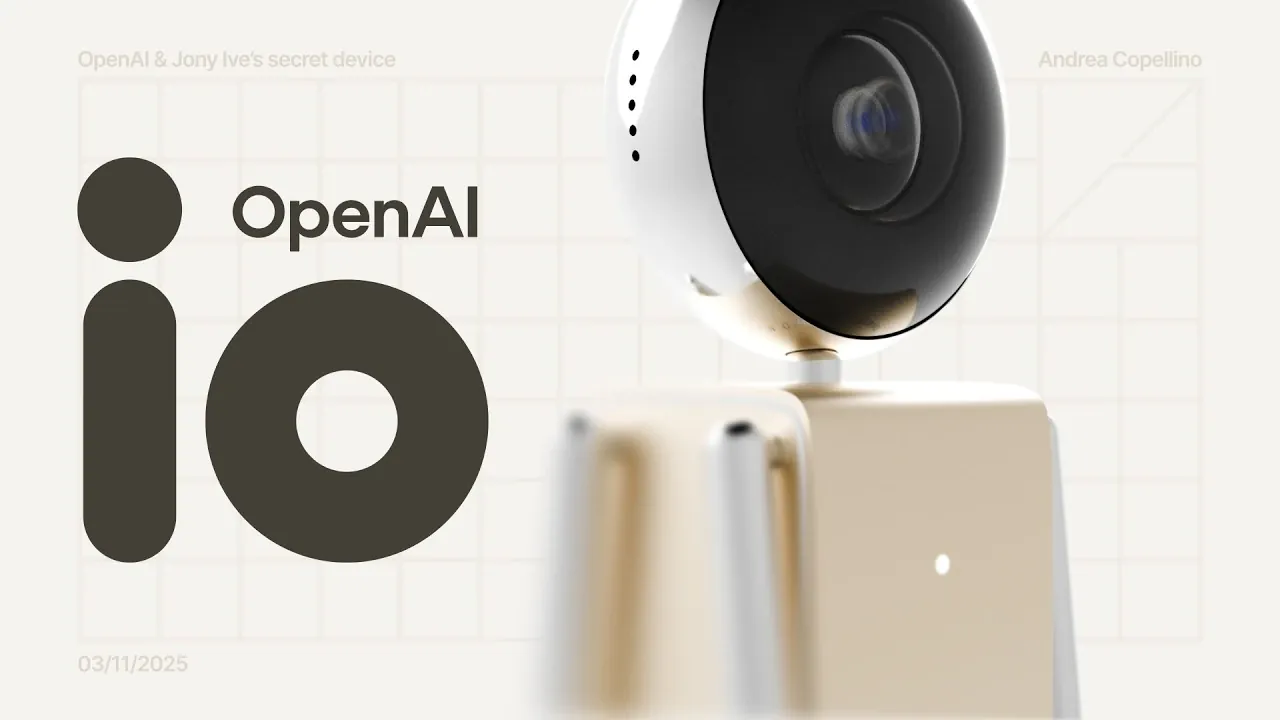
While no acquisition has been confirmed, OpenAI’s collaboration with Jony Ive’s design firm io suggests a strategic push into hardware, aiming to reduce reliance on screens and redefine how users interact with AI. The company’s internal restructuring signals a deliberate effort to catch up with its text-based models, which have long outpaced audio capabilities.
—
The Hardware Gambit: What’s Next for OpenAI’s Voice AI
OpenAI’s plans for audio-first devices—codenamed projects like the hypothetical “Gumdrop” (a pen-sized, screenless gadget mentioned in internal discussions)—align with a broader industry move toward ambient computing. The company is exploring forms ranging from smart glasses to voice-only speakers, with a particular emphasis on real-time, conversational interactions.
According to Ars Technica, internal discussions have highlighted challenges in user adoption: most ChatGPT users currently prefer text over voice interfaces, a trend OpenAI aims to reverse with its new audio model. The company’s timeline suggests a phased rollout, with the voice model arriving in early 2026 and hardware following within a year. This mirrors the trajectory of earlier AI-driven devices, such as Amazon’s Alexa, but with a focus on eliminating screens entirely.
Competitors are not standing idle. Meta’s push into smart glasses and Google’s advancements in voice assistants underscore a race to dominate the next wave of personal AI. OpenAI’s advantage lies in its existing user base and brand recognition, but the company must prove its audio models can match the fluency and emotional range of human conversation—a hurdle even state-of-the-art systems struggle with today.
OpenAI’s current audio model lags behind its text-based version in both speed and accuracy, a shortfall that has become a key focus as the company prepares to release its first line of voice-first devices.
Ars Technica, January 2026
—
Why Voice AI Matters—and What’s Still Unclear
The stakes for OpenAI’s audio ambitions are high. Voice interfaces could unlock new applications in cars, smart homes, and public spaces, where screens are impractical.
- Naturalness: Current voice AI often sounds robotic or lacks emotional depth. OpenAI’s new model aims to address this by prioritizing realism and adaptability.
- Latency: Real-time conversation requires millisecond-level processing. Delays remain a persistent issue for voice assistants.
- User Trust: Voice cloning raises ethical concerns, particularly around consent and misuse. OpenAI has not detailed safeguards for its hardware, leaving questions about how it will prevent abuse.
While OpenAI has not confirmed an acquisition, its collaboration with io—the design firm co-founded by Apple’s late chief designer Jony Ive—hints at a hardware strategy that could rival Apple’s ecosystem. However, the company’s financial constraints, including a reported $9 billion net loss in 2025
(Forbes), may limit aggressive expansion. If hardware becomes a priority, OpenAI could face pressure to secure partnerships or acquisitions to accelerate development.
One unanswered question: Will OpenAI’s voice AI focus on consumer devices, or will it target enterprise applications first? Early indications suggest a consumer-first approach, but the company’s history of pivoting—from research lab to commercial product—means its strategy could evolve rapidly.
—
The Bigger Picture: Voice AI as the Next Frontier
OpenAI’s audio push is part of a larger shift in AI development, where voice and vision are converging as primary interfaces. The company’s decision to merge teams under Kundan Kumar reflects a recognition that audio AI cannot be an afterthought—it must be treated as a core capability, on par with text and vision.
For now, OpenAI’s path is clear: refine its voice model in 2026, then introduce hardware in 2027. Whether this will translate into market dominance remains to be seen. Competitors like Google, with its Google Assistant, and Amazon, with Alexa, have years of experience in voice AI. OpenAI’s edge lies in its ability to integrate voice seamlessly with its existing ecosystem—ChatGPT, DALL·E, and future agents.
What is certain is that the company’s audio ambitions will reshape how we interact with technology. The question is not if voice AI will succeed, but how quickly it will replace screens—and whether OpenAI will lead the charge.
For now, the focus remains on the first quarter of 2026, when OpenAI’s new audio model is expected to debut. If successful, it could mark the beginning of a screenless future.