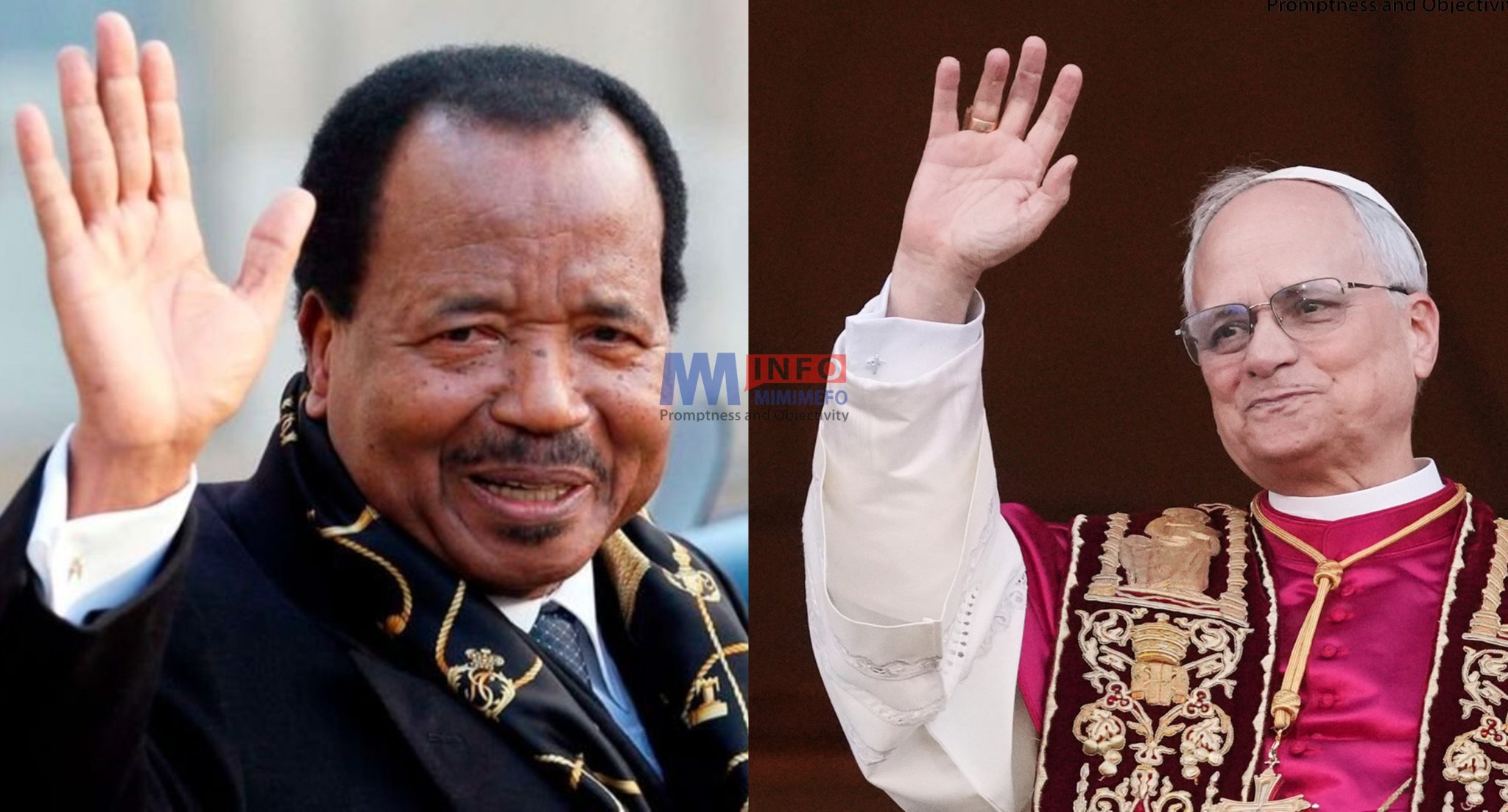
Pope Leo XIV delivered an unusually blunt critique of government corruption during a visit to Cameroon, urging authorities to break the “idolatrous thirst for profit” to achieve lasting peace. The address, delivered before President Paul Biya—the world’s oldest head of state—saw the leader remain passive and without reaction as the pontiff spoke. State television interrupted its live feed during portions of the speech, though it remains unclear if the outage resulted from technical failures or censorship.
The Vatican is shifting its focus toward African growth
This 11-day tour represents the longest trip Pope Leo has taken since his election in May of last year. By prioritizing stops in Algeria, Cameroon, Angola, and Equatorial Guinea, the papacy is acknowledging a demographic pivot. While Catholic populations in Western Europe decline, Africa has become a site of expansion, evidenced by the creation of 14 fresh dioceses across the continent in a single year.
Adriaan van Klinken, a professor at the University of Leeds, describes the continent as the future of the church. The visit isn’t just about numbers; it’s a strategic alignment with a “coming of age” for African Catholicism.
Pope Leo used Algeria to bridge Christian and Muslim relations
The journey began in Algeria, marking the first time a pope has visited the predominantly Muslim nation. Leo XIV visited the Great Mosque in Algiers and the Maqam Echahid monument, which honors those who died during the war for independence against French colonial rule.
Biographer Austen Ivereigh notes that this move continues the “human fraternity” priorities established by Pope Francis. The visit sought to solidify a climate of tolerance, though John Pontifex of Aid to the Church in Need UK noted that religious freedom for Christians and liberal Muslims in Algeria has declined recently.
Corruption and conflict define the Cameroon leg of the tour
In Cameroon, the Pope’s rhetoric shifted from interfaith harmony to institutional accountability. He argued that investing in the education and entrepreneurship of young people is the only way to prevent the spread of social ills and the loss of talent.
Leo XIV also demanded that women’s voices be fully recognized in decision-making processes, describing them as “tireless builders of peace” who are often victims of injustice. This critique arrives as President Biya faces a looming cabinet reshuffle and pressure to deliver on promises made during his October re-election.
The visit extends into the North-West and South-West regions, areas devastated by conflict. Archbishop Andrew Nkea told the Pope at the Bamenda cathedral that the visit brings hope to disrupted lives, asserting that “now is the time for peace” ahead of a Mass scheduled at the city’s airport.
Which countries are included in the 11-day tour?
The Pope’s journey includes stops in Algeria, Cameroon, Angola, and Equatorial Guinea.

Why is the visit to Africa considered a priority for the Vatican?
Africa is one of the fastest-growing Catholic populations globally, representing about 20% of the church’s worldwide membership while European populations decline.