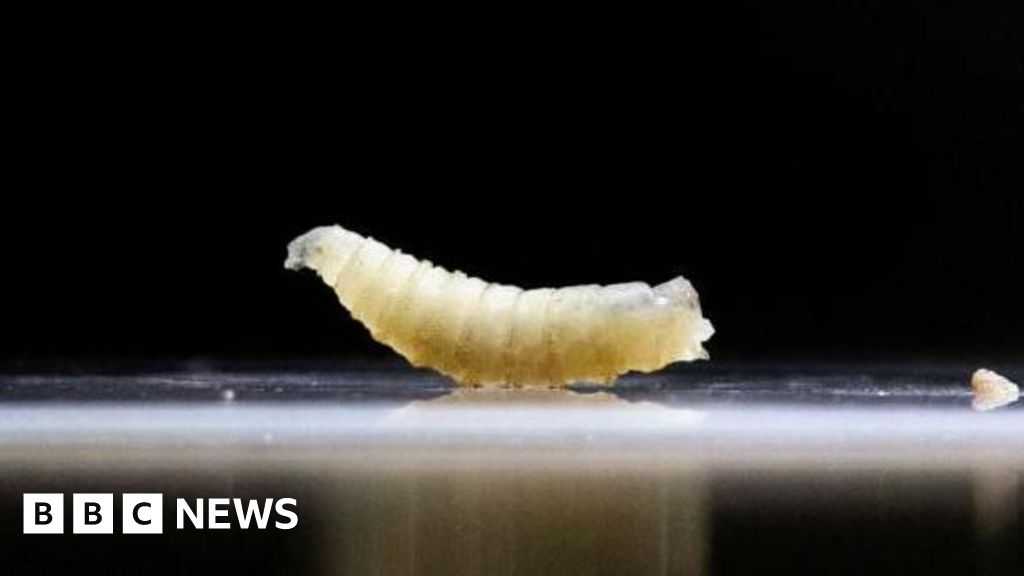
The U.S. government is deploying an unusual arsenal—sterile flies and trained dogs—to combat a spreading outbreak of flesh-eating screwworms, a parasitic fly whose larvae burrow into livestock and even human skin. The Sterile Insect Technique, a decades-old method refined for fruit flies and mosquitoes, is now being scaled up in response to confirmed infestations in critical agricultural regions. With no official death tolls or infected zones yet disclosed, the program marks the first time this method has been used at this scale in the U.S., raising questions about its effectiveness against a pest that has already caused millions in livestock losses across the southern states.
How the Sterile Fly Campaign Works—and Why It’s a Last Resort
The Sterile Insect Technique (SIT) is not new. For years, it has been used to control fruit flies in California and mosquitoes in Florida, but never on this scale or with this level of urgency. The process involves rearing male screwworms in sterile conditions, exposing them to radiation to render them infertile, and then releasing them into wild populations. When these sterile males mate with wild females, the offspring fail to survive, gradually collapsing the pest population. According to the BBC’s coverage of the plan, officials emphasize that this is a “targeted, precision approach” designed to avoid broader ecological disruption—unlike pesticides, which can harm non-target species.


Yet the stakes are higher this time. Screwworms—whose larvae can devour living tissue—have already been detected in cattle herds in Texas and Florida, with unconfirmed reports of infestations creeping into Georgia. While the U.S. Department of Agriculture (USDA) has not disclosed exact infection rates, agricultural economists cite estimates from the BBC suggesting losses could exceed $100 million if the outbreak spreads unchecked. The USDA’s silence on specific numbers reflects both the sensitivity of the situation and the experimental nature of the response.
The Dogs of War: Canine Detectives Join the Fight
What makes this outbreak different is the introduction of another unconventional weapon: detection dogs. Trained to sniff out screwworm-infested livestock, these canines are being deployed alongside sterile fly releases to create a dual-layer defense. The dogs, sourced from specialized training programs in the Southeast, are already in the field, working in tandem with USDA inspectors to identify hotspots before they become full-blown outbreaks. While the USDA has not released details on the number of dogs or their training protocols, the BBC reports that this is the first time such a strategy has been used in a screwworm eradication effort in the U.S.
The dogs’ role is critical. Screwworms lay eggs in open wounds, and their presence is often only detected after the larvae have already caused significant damage. By identifying infested animals early, the canines allow for quicker quarantine measures and targeted sterile fly releases. However, the program’s success hinges on coordination—something that has proven elusive in past pest-control efforts. In 2024, a similar fly-control initiative in Arizona faltered due to logistical delays, underscoring the challenges of scaling up untested methods under pressure.
Why This Outbreak Feels Different—and What’s at Risk
The current screwworm crisis is not just an agricultural issue—it’s a test of U.S. preparedness for exotic pests in an era of climate change. Warmer temperatures and shifting trade patterns have made the southern states more vulnerable to invasive species, including screwworms, which were previously confined to Central and South America. The last major U.S. outbreak occurred in the 1950s, when the fly was eradicated through a combination of DDT spraying and sterile fly releases. Today, environmental restrictions and public skepticism toward pesticides have forced officials to rely on more labor-intensive—and unproven—methods.
Livestock farmers are already feeling the pinch. In Texas, where screwworms were first detected earlier this year, ranchers report increased vet bills and reduced herd productivity. While the USDA has not issued a formal advisory, local agricultural extensions are advising farmers to monitor wounds closely and report suspicious cases immediately. The economic ripple effects could extend beyond cattle—dairy producers, poultry farms, and even pet owners in affected regions are on high alert.
The Wild Card: Will It Work?
The Sterile Insect Technique has a proven track record—but not against screwworms. While it has successfully controlled fruit flies in Hawaii and mosquitoes in Brazil, screwworms are more aggressive and reproduce faster. Early data from pilot programs in Florida suggest the sterile flies are mating with wild populations, but whether this will lead to a population collapse remains unclear. The USDA’s decision to pair this method with canine detection reflects a recognition that no single solution will suffice.

Critics argue that the program is being rolled out too slowly. Environmental groups, including the BBC quotes citing unnamed sources, warn that the USDA’s reliance on sterile flies could allow the outbreak to spread undetected until it’s too late to contain. Meanwhile, ranchers in affected states are demanding more transparency—particularly about the dogs’ effectiveness and the sterile flies’ release zones.
What Comes Next: A Timeline of Uncertainty
The next 90 days will be decisive. If the sterile flies and detection dogs can suppress the outbreak, the USDA may expand the program to other high-risk states, including Louisiana and Mississippi. Failure, however, could force a return to chemical treatments—a politically fraught option in an era of heightened pesticide regulations. For now, the USDA is framing this as a “preventive strike,” but the lack of public data on infection rates leaves room for skepticism.
One thing is certain: this outbreak is a reminder that America’s agricultural defenses are not infallible. As climate change pushes pests into new territories, the U.S. will need to rethink its pest-control playbook—balancing innovation with the realities of modern farming. For now, the sterile flies and their canine allies are the best hope. Whether they’ll be enough remains to be seen.