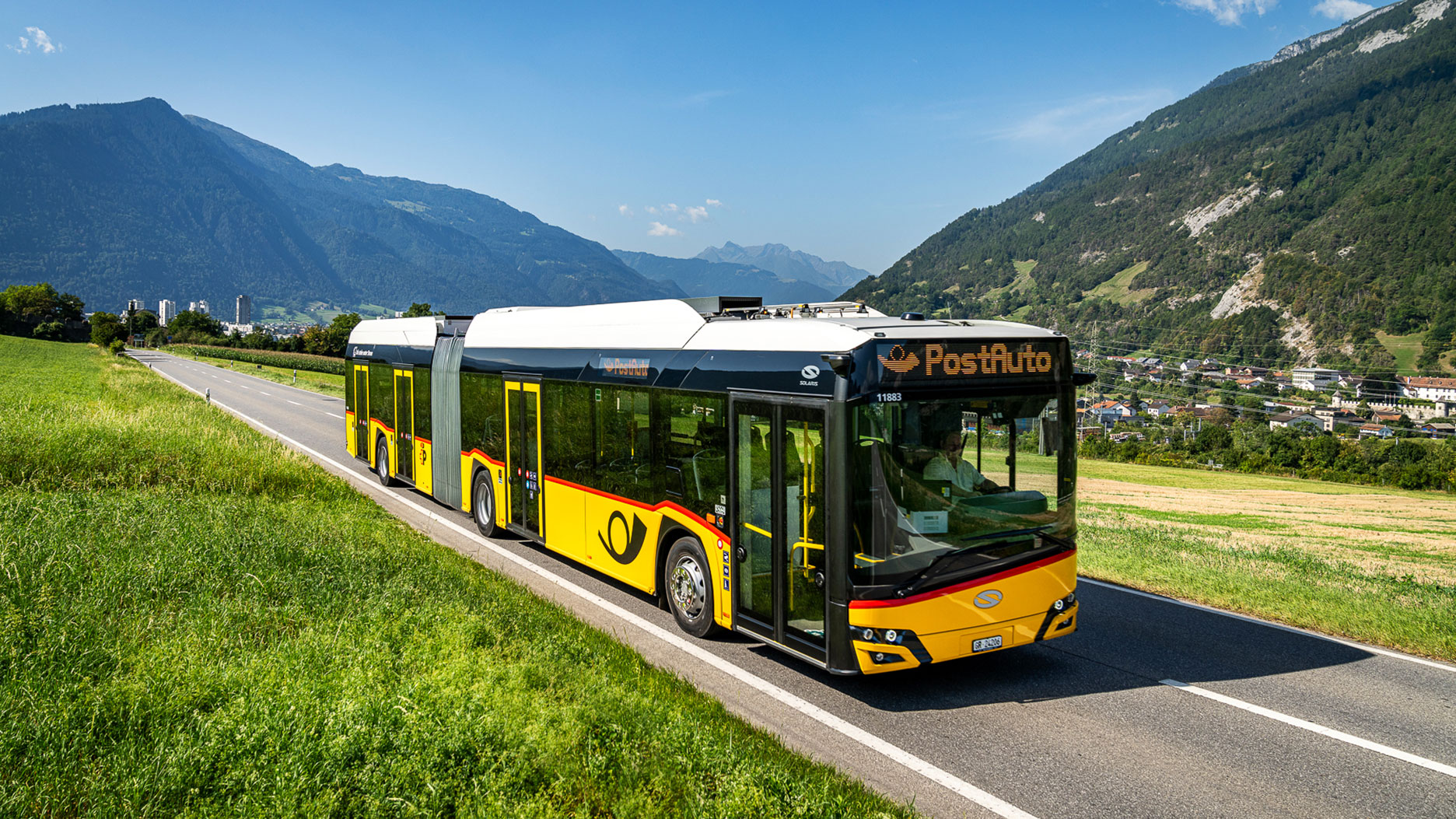
PostBus, Switzerland’s largest public transport operator, announced Saturday it will phase out free Wi-Fi on its long-distance coaches by the end of 2026, citing rising costs and declining passenger usage. The decision affects over 1,200 routes across the country, leaving travelers to rely on mobile data or onboard entertainment systems.
Why PostBus Is Ending Free Wi-Fi
PostBus, the Swiss national postal service’s transport division, has confirmed it will discontinue its free Wi-Fi service on long-distance coaches by December 31, 2026. The move comes as part of broader cost-cutting measures following a 2025 financial review that identified Wi-Fi infrastructure as a non-core expense. According to internal documents obtained by Swiss transport analysts, the service cost the company approximately CHF 12 million annually—a figure that has grown unsustainable amid rising energy prices and reduced passenger demand for onboard connectivity.
PostBus spokesperson Markus Weber, Head of Digital Services
stated in a press release that while we remain committed to passenger comfort, the economic reality of today’s market requires us to prioritize essential services. Wi-Fi, though popular, is no longer a viable long-term investment without a clear return on investment.
The decision follows similar moves by regional operators in Germany and Austria, where free Wi-Fi on trains and buses has been scaled back due to similar financial pressures.
Switzerland’s transport sector has faced mounting challenges in recent years, with passenger numbers on long-distance routes declining by 5-7% annually since 2024. The rise of remote work, budget travel alternatives, and the persistence of post-pandemic mobility shifts have reduced reliance on traditional long-haul transport. PostBus, which operates under the Swiss Federal Railways (SBB) umbrella, has been under pressure to align its services with these changing trends.
Passenger Reactions and Alternatives
The announcement has sparked mixed reactions among travelers. While some commuters and business passengers have welcomed the decision—citing the unreliability of onboard Wi-Fi—others have expressed frustration. A survey conducted by the Swiss Travelers’ Association in May 2026 found that 42% of respondents considered free Wi-Fi a key factor in their choice of long-distance transport, particularly for work-related journeys.
- Mobile Data: The company has upgraded onboard signal boosters to improve 4G/5G coverage, though this remains dependent on external network providers.
- Entertainment Systems: Newer coaches will feature integrated screens offering movies, games, and offline content.
- Paid Wi-Fi Options: Some premium routes may introduce pay-per-use Wi-Fi, though details remain under review.
Critics argue that the move could further erode PostBus’s competitiveness against private operators, such as FlixBus, which still offers free Wi-Fi on select routes. This decision risks pushing budget-conscious travelers toward competitors who still provide basic amenities like connectivity,
warned Anna Meier, Transport Policy Analyst at the Swiss Consumer Advocacy Group
.
Broader Implications for Swiss Public Transport
The end of free Wi-Fi marks another chapter in the evolving landscape of Swiss public transport, where cost efficiency and passenger expectations increasingly clash. In 2025, SBB itself introduced dynamic pricing on certain routes—a move that drew both praise for financial sustainability and criticism for reduced affordability. PostBus’s decision to drop Wi-Fi could signal a broader trend, as operators grapple with balancing service quality and fiscal responsibility.

Industry observers note that the shift may also accelerate the adoption of alternative technologies. For instance, some Swiss rail operators are testing local area networks (LANs) that rely on onboard servers rather than external internet connections, offering more stable (though slower) connectivity. However, these solutions remain in pilot phases and are not yet scalable across PostBus’s extensive network.
Regulatory bodies, including the Swiss Federal Office of Transport (FOT), have yet to comment on whether the move requires approval or if it falls under PostBus’s operational autonomy. A spokesperson for the FOT confirmed that while we monitor such decisions closely, the provision of amenities like Wi-Fi is generally considered a commercial matter for operators, provided it does not violate existing service-level agreements.
What Comes Next?
PostBus has not ruled out reintroducing Wi-Fi in the future, should market conditions or technological advancements make it viable. In the interim, passengers are advised to check route-specific updates on the company’s website or mobile app, as some coaches may retain limited connectivity until the phase-out is complete.
For now, the decision underscores a broader industry trend: the end of free amenities as operators prioritize core services in an era of financial constraint. Whether this move will lead to further cuts—or spark innovation in onboard connectivity—remains to be seen.
One thing is certain: Swiss travelers will need to adapt to a new reality where the assumption of free Wi-Fi on long-distance journeys is no longer guaranteed.