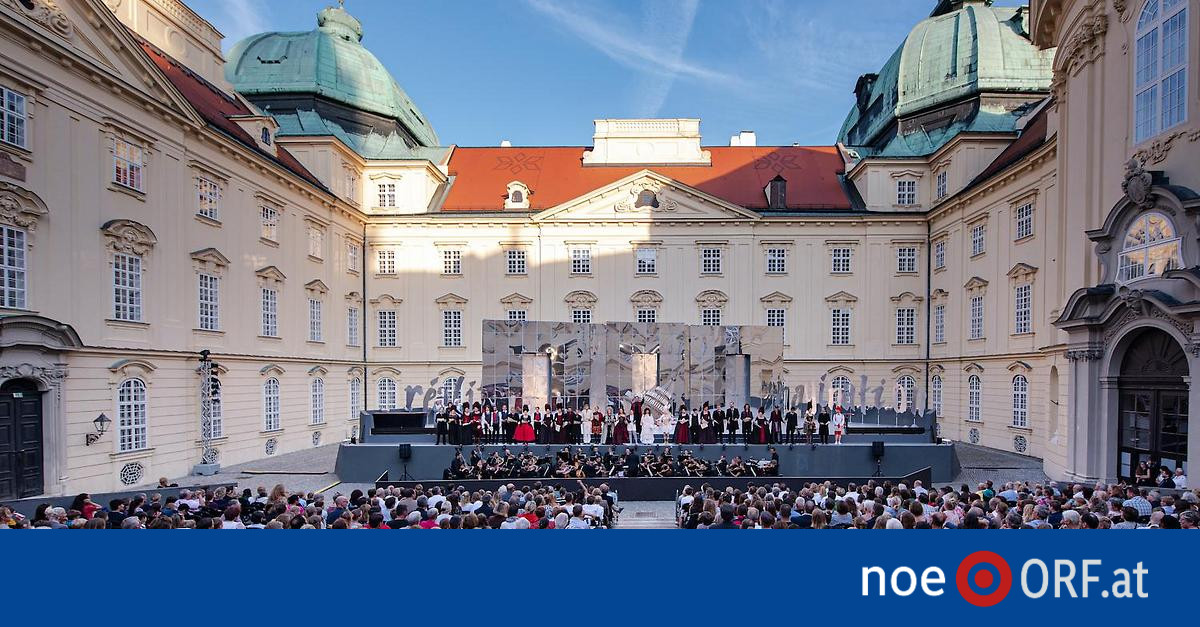
Niederösterreich’s Kultursommer 2026 is already shaping up as a landmark season—one that blends century-old traditions with bold new productions across 19 historic stages and 22 shows, all while celebrating festivals that have defined the region for decades. From the 120-year-old Sommerarena Baden to the 100th anniversary of Theater Reichenau, this summer isn’t just a cultural showcase; it’s a testament to how Austria’s heartland keeps reinventing itself without losing its soul.
Why This Summer Feels Like a Cultural Renaissance
The numbers alone tell the story: 22 productions spanning theater, opera, musicals, and experimental works, spread across 19 venues from the Wachau Valley to the Weinviertel. But the real magic lies in the juxtaposition of old and new. Take the Raimundspiele Gutenstein, where classic Austrian theater meets contemporary staging—this year’s lineup includes both a revival of *Der Alpenkönig und der Menschenfeind* and a fresh take on *Carmen darf nicht platzen*, a nod to the festival’s 17th July opening. Meanwhile, the Sommerarena Baden, marking its 120th anniversary, will reopen with a gala celebrating operetta’s golden age, while the Felsenbühne Staatz turns *Ghost* into a rock musical spectacle under the stars. The programming isn’t just diverse; it’s deliberately provocative, blending nostalgia with the kind of risk-taking that keeps regional culture alive.
The Jubilees That Define the Season
If there’s a unifying thread to this summer, it’s jubilees—each one a chance to reflect on what makes Niederösterreich’s cultural scene unique. Here’s what’s turning heads: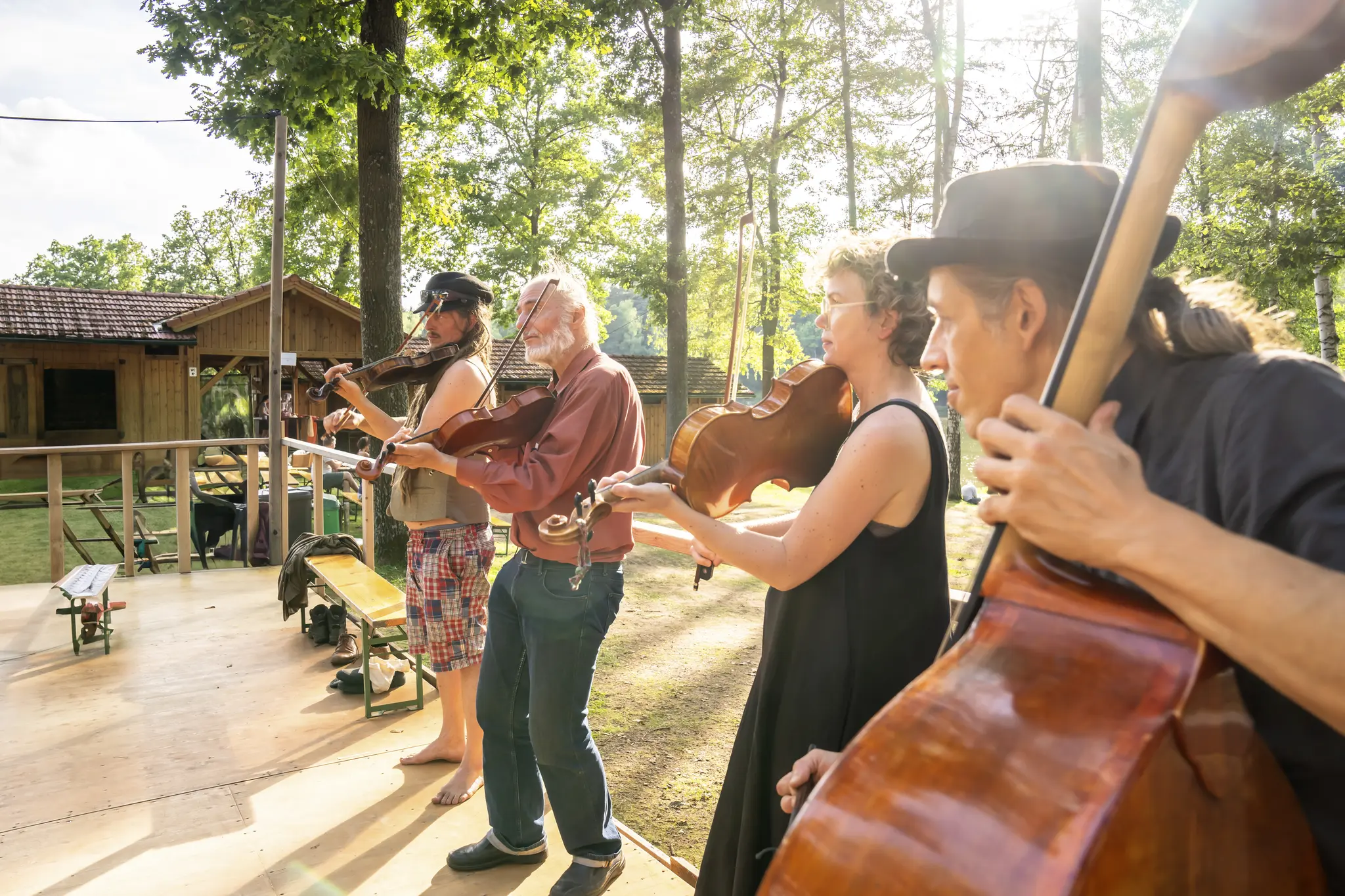
- 120 Jahre Sommerarena Baden: The crown jewel of operetta, where *Der Vogelhändler* will play to sold-out crowds in the Jugendstil Kurpark. The arena’s anniversary isn’t just about performances—it’s a celebration of Baden’s role as a spa town that became a cultural hub. MeinBezirk.at notes how the venue’s history mirrors Austria’s own cultural shifts, from imperial grandeur to modern reinvention.
- 100 Jahre Theater Reichenau: A festival that started as a summer project for local amateurs now stages productions that rival Vienna’s Burgtheater. This year’s highlight? A new adaptation of *1984* that uses the stage’s 100-year history as a metaphor for surveillance and resistance. The centenary exhibition, running through August, is a must-see for anyone curious about how regional theater survives in the digital age.
- 20 Jahre Schrammel.Klang.Festival: Litschau’s festival, once a niche Wienerlied event, has become a magnet for experimental musicians. This year’s program includes a collaboration with a Berlin-based electronic ensemble, proving that tradition and innovation aren’t mutually exclusive. The festival’s commitment to sustainability—like its “silent disco” nights powered by solar energy—is setting a new standard for eco-conscious programming.
- 30 Jahre Glatt&Verkehrt: Krems’ world music festival is turning 30, and its lineup reflects a globalized era. Past headliners like Tinariwen and Susheela Raman will share the stage with rising stars from Africa and Latin America. What’s notable is how the festival has become a platform for political commentary, with this year’s theme exploring migration through music.
- 20 Jahre Grafenegg Festival: Once a classical niche, Grafenegg has become a cross-disciplinary powerhouse. This summer, it’s pairing orchestral performances with immersive light installations, turning concerts into multisensory experiences. The festival’s expansion into September is a sign of how classical music is no longer confined to winter halls.
The Secret Sauce: How Niederösterreich Turns “Regional” Into Global
There’s a myth that regional culture is parochial. Niederösterreich’s 2026 lineup dismantles that idea. Take the Raimundspiele Gutenstein, which has become a training ground for young Austrian directors—several of this year’s productions are directed by alumni who’ve since moved to Vienna or Berlin. Or the Grafenegg Festival, which attracts international orchestras like the Vienna Philharmonic and Berlin Philharmonic, turning a small town into a magnet for classical tourists. Even the smaller festivals, like the Sommernachtskomödie in Rosenburg, are using social media to draw crowds from Vienna and beyond. What’s working? Three things:- Venue Innovation: The Wachaufestspiele’s move to a riverside amphitheater has turned performances into events. This year, *Carmen darf nicht platzen* will feature a live flamenco dancer interacting with the audience—something you’d expect at a major festival, not a regional one.
- Programming Risk: The Theaterfest Niederösterreich’s inclusion of *Horrible Habsburger!*—a raunchy comedy about Austria’s imperial past—shows how even “serious” festivals are embracing irreverence. The show’s mix of history and humor is a masterclass in making the past feel urgent.
- Accessibility: The “Theaterfest for Kids” isn’t just a gimmick—it’s a strategic move. Productions like *Ritter Rost und der Schrottkönig* (a German take on *Knight Rusty*) are designed to grow future audiences. The festival’s data shows that 60% of adult attendees today were introduced to theater as children through similar programs.
What’s Missing—and Why It Matters
For all the excitement, there are gaps. The most glaring? A lack of large-scale contemporary dance or performance art. While festivals like Grafenegg and Glatt&Verkehrt excel in music and theater, there’s little dedicated to experimental forms. The only exception is the *Klangburg Rappottenstein*, which blends sound installations with live music—but it’s a niche offering compared to the mainstream appeal of operetta or rock festivals.
The Bigger Picture: Why This Matters Beyond the Summer
Niederösterreich’s Kultursommer isn’t just about entertainment—it’s a microcosm of how regional cultures navigate globalization, climate change, and shifting audience expectations. The festivals’ success hinges on three trends:- The Rise of “Slow Culture”: In an era of streaming and algorithm-driven content, festivals are betting on the opposite—experiences that demand time, attention, and presence. The Schrammel.Klang.Festival’s after-parties in vineyards, or the Wachaufestspiele’s riverside performances, are part of a broader movement toward “slow culture,” where the journey matters as much as the destination.
- Climate as a Creative Constraint: Many festivals are rethinking their environmental impact. The Frequency Festival, for instance, has pledged to be carbon-neutral this year by using electric stages and biodegradable materials. Meanwhile, the Grafenegg Festival’s expansion into September is partly a response to longer tourist seasons—and hotter summers that make open-air events more appealing.
- The Blurring of High and Low Culture: The line between “serious” and “pop” culture is disappearing. *Ghost* on the Felsenbühne, *The Band* musical in Amstetten, and even the operetta in Baden are all being marketed as “must-see” events, regardless of genre. This democratization of taste is both a strength and a challenge—for better or worse, the festivals are no longer catering to elitist audiences.
- Will the crowdfunding campaigns for smaller venues succeed, or will we see more cancellations?
- Can the festivals maintain their international appeal without losing their regional identity?
- Will the government’s cultural subsidies keep up with inflation, or will we see a drop in quality?