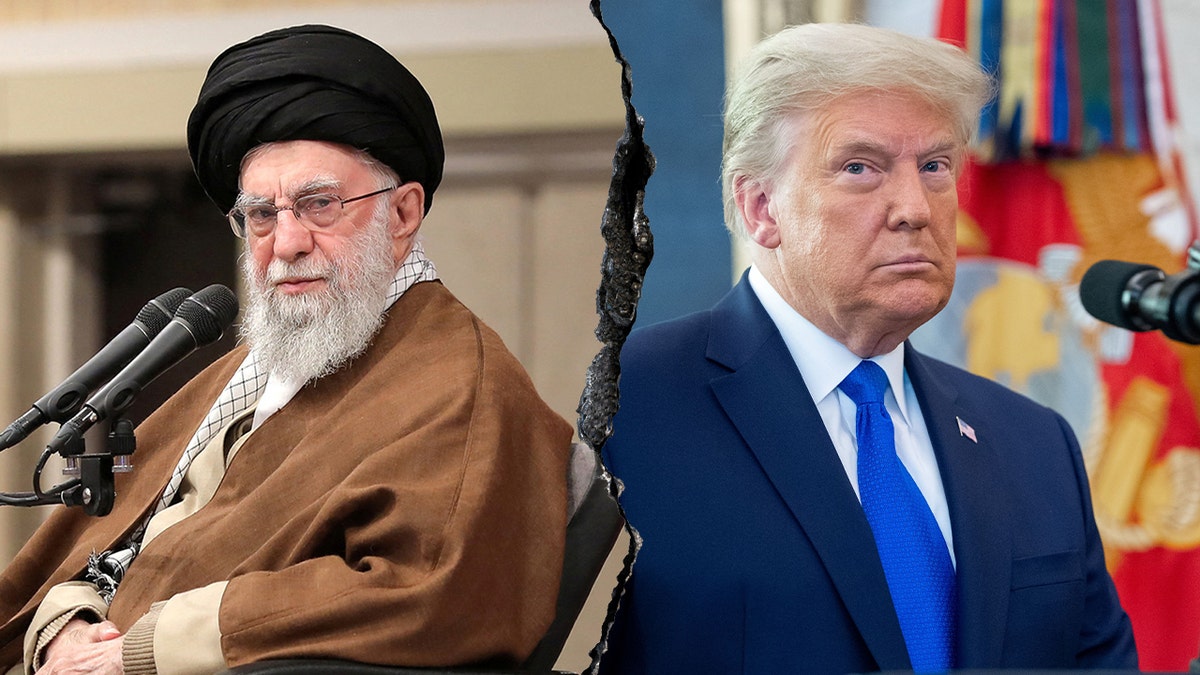
A diplomatic document has arrived on the desk of the US president, and it has been received amid a complex regional environment. The 14-point plan, recently sent by Iran, arrives as Israel continues to pound positions in Lebanon, maintaining a high level of military activity in the region.
The timing of the proposal coincides with ongoing hostilities. While the US administration is now in possession of a structured proposal, the president has voiced uncertainty regarding its potential for success. According to reporting from Al Jazeera, the US president stated he will soon be reviewing the plan, but he does not believe he can make a deal.
The gap between the 14-point plan and executive skepticism
Very little is known about the specific contents of the 14-point proposal. The available reporting does not detail the individual terms, the concessions offered, or the demands listed within the document. The current situation involves a process where a proposal has been submitted, though the US administration has not indicated a readiness to accept its terms.
The US president’s admission that he does not think a deal is possible reflects the challenges currently facing a diplomatic resolution. Whether the skepticism stems from the specific terms of the Iranian offer or a broader strategic impasse remains unestablished by current reporting, leaving the ultimate purpose of the document unclear.
For more on this story, see Abbas Araghchi visits Russia after US-Iran negotiations collapse.
In diplomatic cycles, the delivery of a structured plan often serves as a signal of intent or a move to shift the narrative of a conflict. However, when the receiving head of state publicly doubts the possibility of a deal before the review is even complete, the document may function more as a formality than a viable roadmap to peace.
Military escalation in Lebanon
While the 14-point plan moves through administrative channels in the US, military operations continue on the ground in Lebanon. Israel is currently pounding targets in the region, ensuring that the military reality remains a dominant force in the conflict.
This simultaneous activity suggests a dual-track environment where diplomatic overtures and military strikes are happening in parallel, rather than in sequence. The strikes in Lebanon continue regardless of the diplomatic correspondence between the US and Iran, indicating that the military objectives in the region are operating on a separate timeline from the 14-point proposal.
The lack of a ceasefire or a pause in hostilities to facilitate the review of the Iranian plan underscores the volatility of the current moment. There is no indication from available sources that the delivery of the diplomatic plan has slowed the pace of the Israeli military operations.
The viability of a diplomatic resolution
The fundamental question is whether a 14-point plan can survive the weight of active warfare. The viability of such a resolution typically depends on the alignment of interests between the parties involved, a factor complicated by the ongoing strikes in Lebanon and the US president’s expressed doubt.
If the US president maintains that a deal is unlikely, the 14-point plan may be viewed less as a bridge to peace and more as a tactical maneuver. The available coverage does not specify if Iran has offered any immediate concessions to stop the strikes in Lebanon as part of this plan, or if the proposal is focused on longer-term strategic goals.
For now, the diplomatic process is stalled at the review stage. The US president has the document, but the lack of confidence in a successful outcome suggests that the military path in Lebanon remains the primary driver of the conflict’s current phase.