
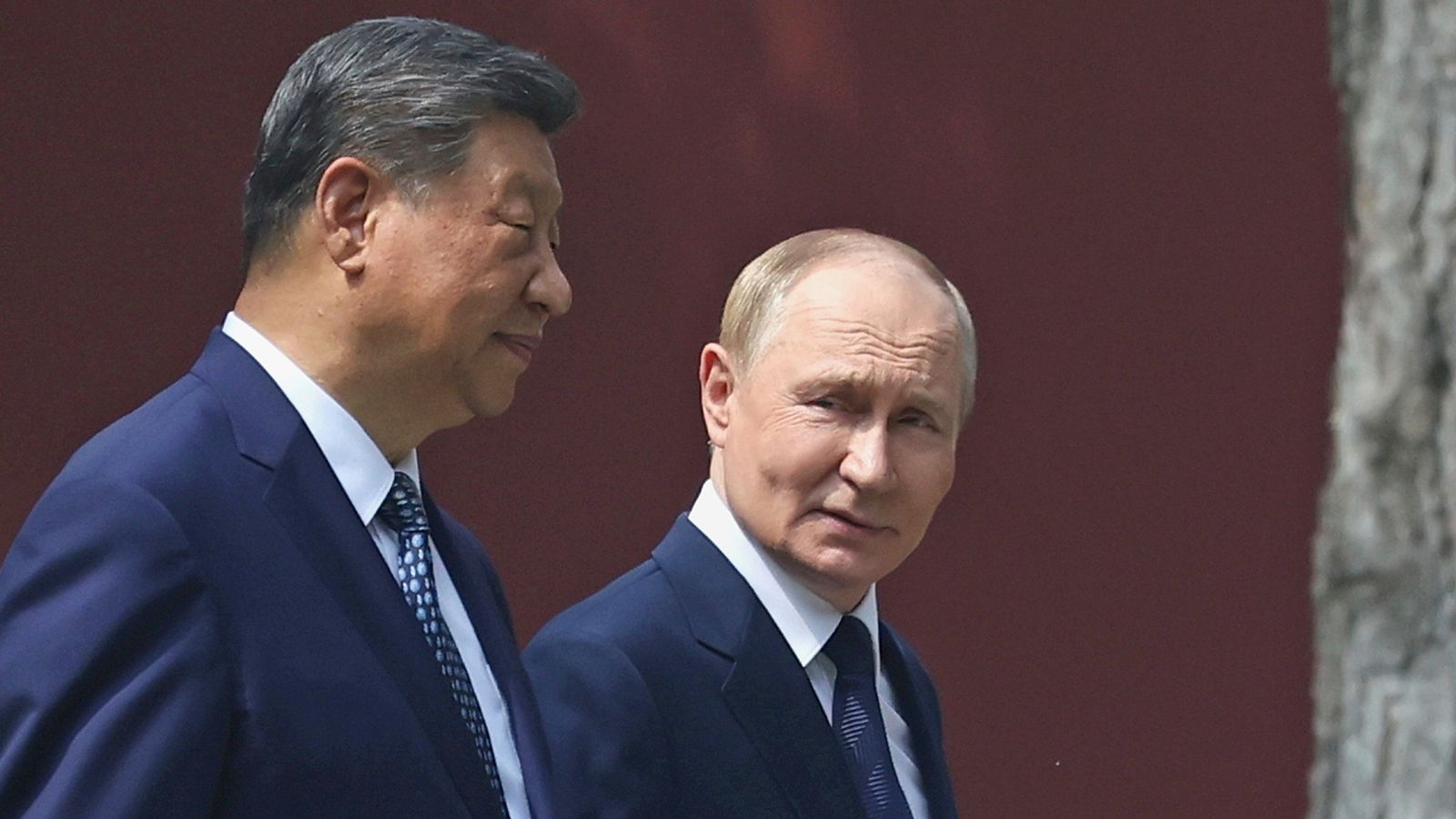
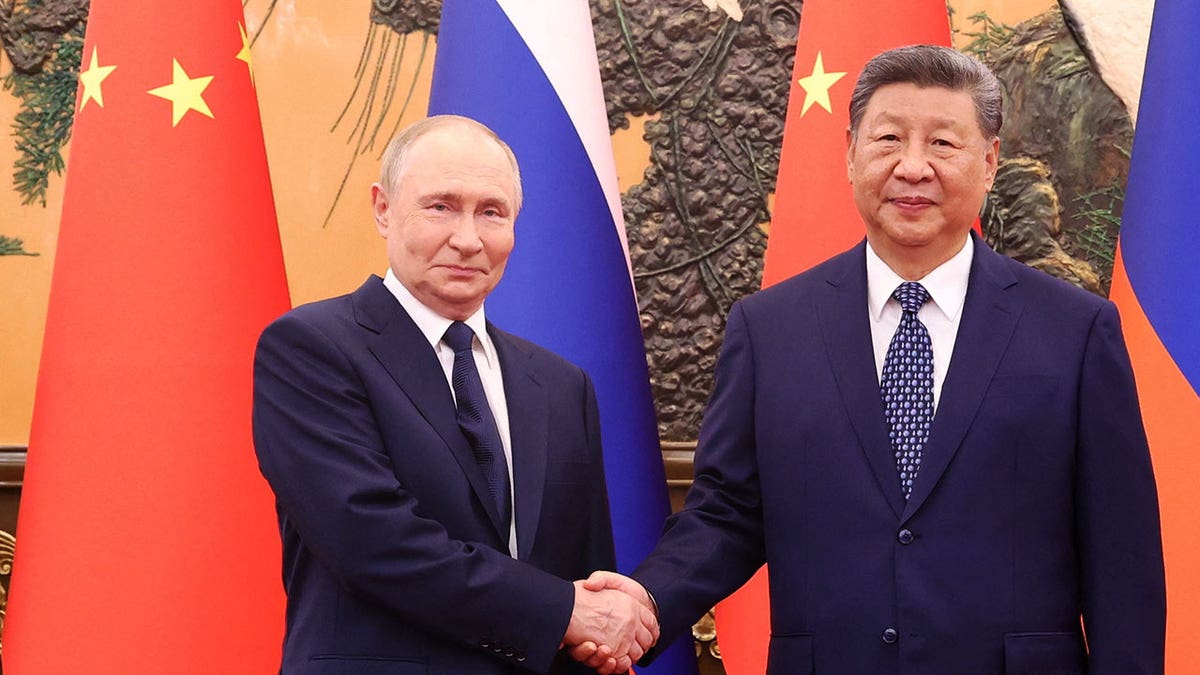
Chinese President Xi Jinping hosted Russian President Vladimir Putin in Beijing on May 19, 2026, for a high-stakes summit that included a traditional Chinese tea ceremony, underscoring deepening ties amid strained U.S.-China relations.
A Symbolic Gesture with Strategic Weight
The tea ceremony between Xi and Putin was not merely a cultural ritual but a deliberate signal of solidarity between the world’s two most authoritarian states. Sources confirm that the meeting took place during Putin’s state visit to China, just days after U.S. President Donald Trump’s own high-profile visit to Beijing. While Trump’s trip focused on economic negotiations and technology restrictions, Xi’s engagement with Putin emphasized political alignment, particularly in the face of Western pressure on both leaders.
According to Reuters, Xi described the Russia-China partnership as unyielding
, a phrase that resonates with Beijing’s broader strategy to position itself as a neutral broker in global conflicts—especially the war in Ukraine. The tea ceremony, a hallmark of Chinese diplomacy, was captured in live footage by state media, reinforcing the image of a stable, long-term alliance between the two nations.
The timing of the summit is critical. With U.S.-China relations at a crossroads following Trump’s visit—where progress on trade and semiconductor restrictions remained elusive—China’s outreach to Russia serves as a counterbalance. As Al Jazeera noted, Putin’s visit to Beijing holds the cards
in a multipolar world where neither Moscow nor Washington can dictate terms to Beijing alone.
—
Diplomatic Tea: Protocol and Substance
The tea ceremony itself, while steeped in tradition, carried modern geopolitical undertones. Chinese state media did not disclose specific discussions during the ceremony, but the act of sharing tea—particularly in a formal setting—symbolizes trust and mutual respect. Putin, who has faced isolation over Ukraine, used the occasion to reaffirm Russia’s strategic partnership with China, a relationship that has deepened since 2022.
Earlier this year, the two leaders held a videoconference in February 2026, where Putin emphasized unwavering support
for China’s core interests, according to Russian state media. The May 2026 meeting, however, marked a physical reunion, signaling a shift from virtual diplomacy to high-level face-to-face engagement. The absence of Western leaders in Beijing at the same time further highlighted the strategic importance of the Russia-China axis.
Xi’s decision to host Putin immediately after Trump’s visit was no accident. As NBC News reported, Xi sought to reassure
Putin amid domestic pressures in Russia, particularly regarding the war in Ukraine. The tea ceremony, therefore, was not just about protocol—it was about projecting stability in an increasingly volatile global order.
—
The Broader Context: China’s Neutral Superpower Ambitions
China’s engagement with Russia is part of a broader strategy to position itself as a neutral arbiter in international disputes. While Xi has avoided publicly endorsing Putin’s actions in Ukraine, Beijing has consistently blocked Western resolutions at the United Nations and expanded economic ties with Moscow, including energy and infrastructure deals. The tea ceremony, then, was a public affirmation of this pragmatic partnership.
As The Wall Street Journal observed, Xi’s policies have given him great international stature
, but at a domestic cost. Economic slowdowns and social unrest in China have complicated his leadership, yet his foreign policy—particularly the cultivation of ties with Russia—remains a cornerstone of his legacy. The summit with Putin was a reminder that, despite internal challenges, Xi’s global influence is at an all-time high.
For Putin, the visit was a diplomatic victory. With sanctions crippling Russia’s economy and NATO expanding its reach, China represents one of the few remaining allies willing to engage with Moscow on equal footing. The tea ceremony, in this context, was a quiet but powerful statement: that Russia and China, despite their differences, share a vision of a world order less dominated by Western powers.
—
What Comes Next: Uncertainties and Implications
The immediate aftermath of the summit remains unclear. While Xi and Putin reaffirmed their partnership, specific commitments—such as new trade deals or military cooperation—have not been publicly announced. However, the symbolic weight of the tea ceremony suggests that the relationship is entering a new phase of operational depth.
One key question is whether China will deepen its economic support for Russia beyond current levels. Beijing has already increased imports of Russian oil and gas, but further concessions could draw Western retaliation. The U.S., watching closely, may respond with additional sanctions or trade restrictions, further complicating Xi’s balancing act.
For now, the tea ceremony stands as a marker of a relationship that is as much about perception as it is about policy. As CBS News noted, Xi’s remarks during the summit included a loosely veiled jab at Trump’s policies
, suggesting that China’s alignment with Russia is not just about countering the West but also about shaping an alternative global narrative.
The next few weeks will reveal whether this summit translates into tangible actions—or if it remains a masterclass in symbolic diplomacy. One thing is certain: the world is watching, and the tea leaves have been carefully read.