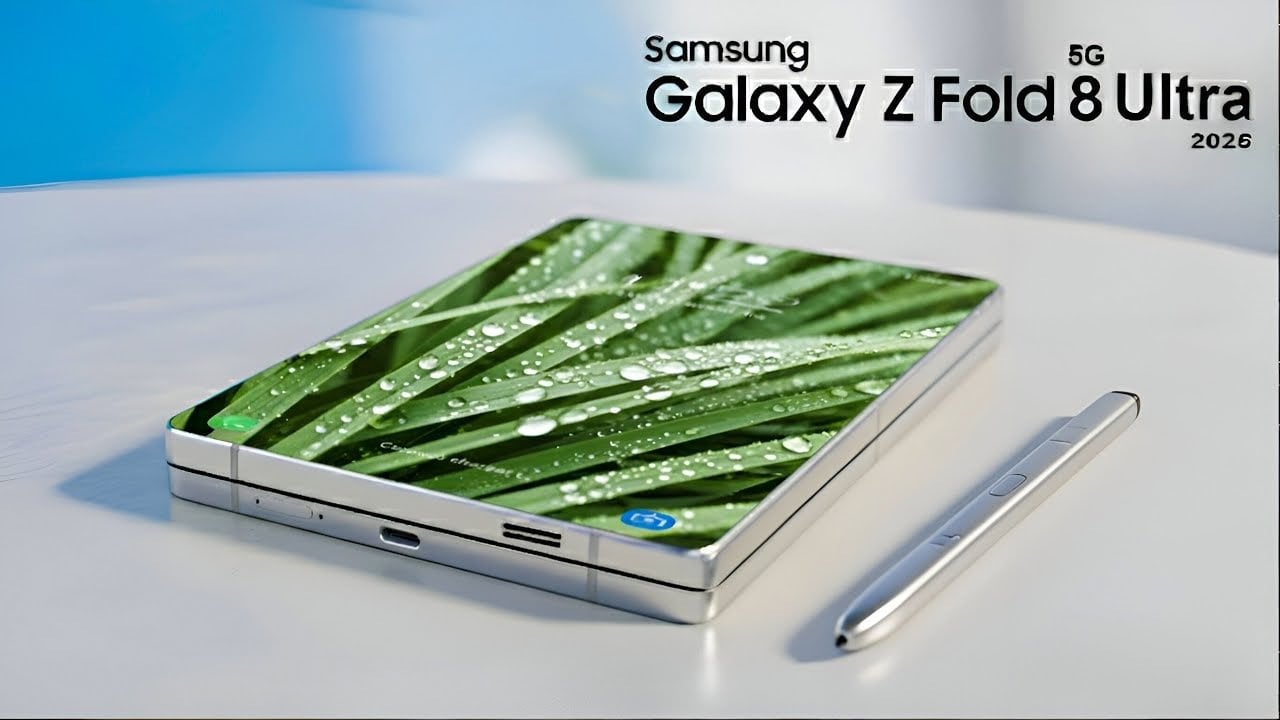
The ‘Wide’ Form Factor: A Radical Rethink or a Risky Bet?
Side-by-side comparisons of the Galaxy Z Fold 8 and its ‘Wide’ variant, shared by industry sources, highlight the design differences. While the standard Fold 8 maintains the familiar tall, narrow footprint similar to conventional smartphones when folded, the ‘Wide’ model expands horizontally. Its 4:3 aspect ratio more closely resembles a compact tablet than previous Samsung foldables. When unfolded, the ‘Wide’ appears shorter but significantly broader, aligning it more with the original Google Pixel Fold than with Samsung’s established foldable lineup.
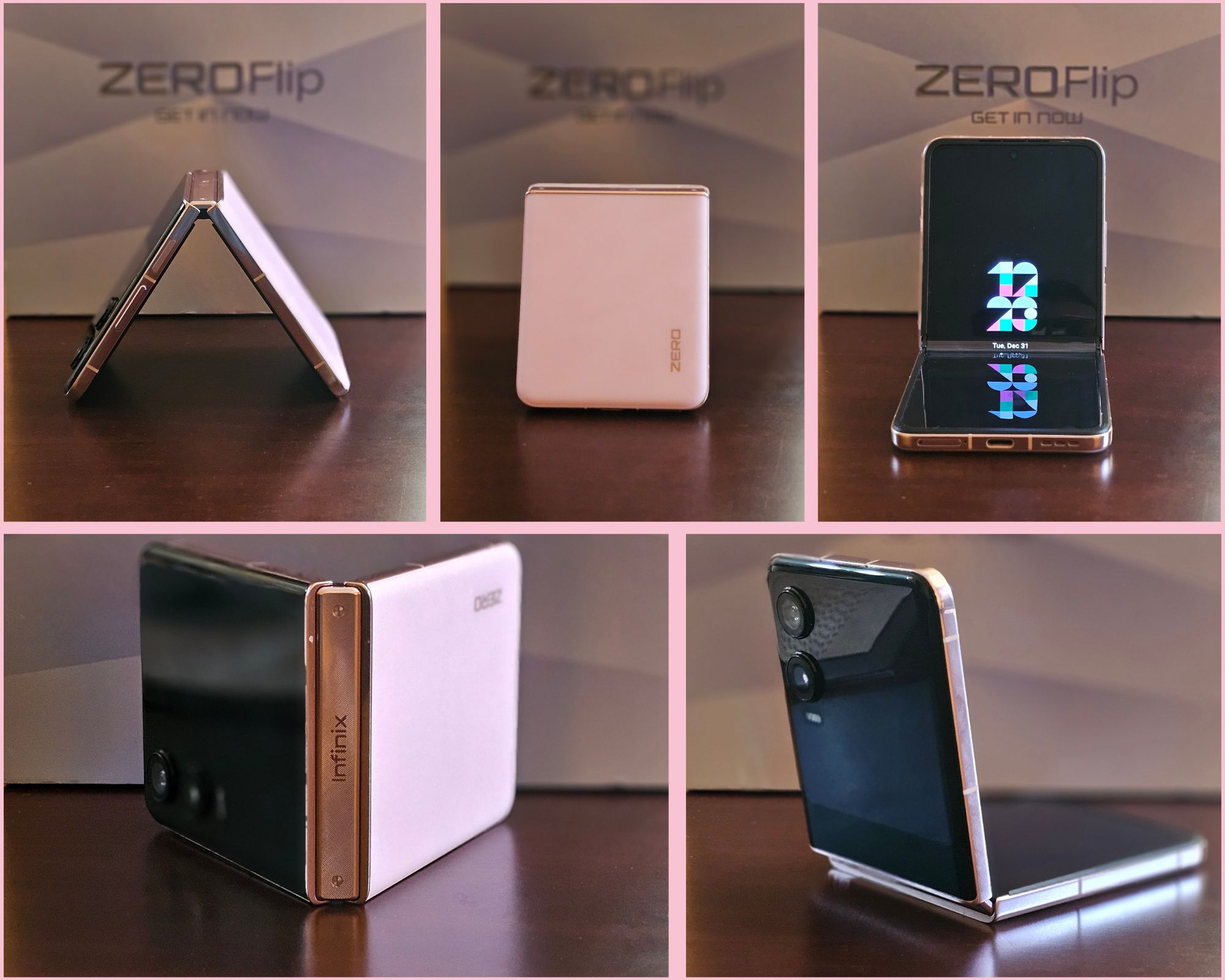
This design evolution appears to respond to feedback about foldable devices. The ‘Wide’ model’s cover screen measures 5.4 inches with a 4.7:3 aspect ratio, which may offer improved ergonomics compared to narrower outer displays. Some users have noted that previous foldable designs presented challenges for grip and typing. The new form factor results in a device that, when folded, shares a similar footprint with the Galaxy Z Flip 8. This shift may appeal to users seeking a different balance between portability and screen real estate.
The inner display’s 4:3 ratio suggests a focus on media consumption and document editing. While the standard Fold 8’s taller screen has been favored for productivity tasks like split-screen multitasking, the ‘Wide’ variant’s proportions could offer advantages for certain use cases. The change may require app developers to adapt their interfaces, as similar aspect ratios in other devices have presented compatibility challenges at launch. Samsung’s approach indicates confidence in the industry’s ability to support diverse screen formats.
Slimmer, Smarter, but Still a Compatibility Nightmare?
The Galaxy Z Fold 8 ‘Wide’ incorporates several refinements that reflect Samsung’s ongoing efforts to improve foldable technology. The device measures 9.8mm when folded and 4.3mm when unfolded, representing a reduction in thickness from previous models. This improvement stems from advancements in component layout and a more compact 200MP camera sensor. While the impact on image quality remains to be evaluated, the changes suggest a focus on sleeker device profiles without sacrificing core functionality.
The selfie camera has also been adjusted, featuring a 2.5mm punch-hole on the inner display compared to the 3.7mm sensor in the Galaxy Z Fold 7. This modification contributes to the device’s streamlined appearance, though its effects on camera performance will require testing. Wireless charging implementation continues to present potential challenges, as leaked dummy units show circular cutouts for charging coils without clear indications of Qi2 standard adoption. Samsung’s approach to wireless charging has previously raised compatibility concerns among users who manage multiple devices.
The timing of these leaks coincides with increased competition in the foldable market. Apple’s rumored foldable iPhone and recent launches like the Huawei Pura X Max demonstrate growing interest in alternative form factors. Samsung’s introduction of the ‘Wide’ variant appears to be part of a broader strategy to offer diverse options within its foldable lineup. This approach may help the company maintain its position as the category evolves, though it also introduces new variables for developers and consumers to navigate.
What the ‘Wide’ Tells Us About Samsung’s Foldable Future
The Galaxy Z Fold 8 ‘Wide’ represents more than an incremental update; it signals Samsung’s intention to explore multiple foldable form factors. The company appears to be developing a multi-tiered ecosystem where users can choose between different device types: the traditional book-style Fold 8, the compact Flip 8, and now this wider, tablet-like alternative. This strategy resembles approaches used in other product categories, where manufacturers offer both incremental upgrades and more substantial design changes to appeal to different user preferences.

The success of this approach will depend on several factors, including developer support and market reception. The 4:3 aspect ratio, while familiar to tablet users, may require adjustments from app developers accustomed to taller foldable screens. Samsung’s focus on app scaling suggests confidence in addressing these challenges, though real-world performance will ultimately determine the variant’s viability. Consumer response will also play a crucial role, as users evaluate the trade-offs between the ‘Wide’ model’s form factor and its practical benefits.
Early discussions in online communities have shown mixed reactions to the ‘Wide’ variant. Some users have expressed interest in its potential advantages, while others have raised questions about its practicality. The device may address certain ergonomic concerns associated with previous foldables but could introduce new considerations regarding portability and workflow adaptation. Samsung’s ability to demonstrate the value of these trade-offs will be important in determining whether the ‘Wide’ becomes a niche product or influences future foldable designs.
Samsung’s willingness to experiment with the ‘Wide’ variant suggests a long-term perspective on the foldable market. By introducing this model alongside its existing lineup, the company appears prepared to test different approaches even if it means potential overlap between products. This strategy could help Samsung maintain its leadership position in the category, though its ultimate success will depend on how well the market responds to these innovations.
The foldable market continues to evolve, with new entrants and form factors emerging. Apple’s potential entry into this space may prompt further adjustments to Samsung’s strategy. The ‘Wide’ variant represents an early move in what could become a more competitive landscape, where manufacturers explore different approaches to foldable design. The coming months will reveal whether Samsung’s latest innovation resonates with users or serves as a stepping stone toward future developments.